Meaning
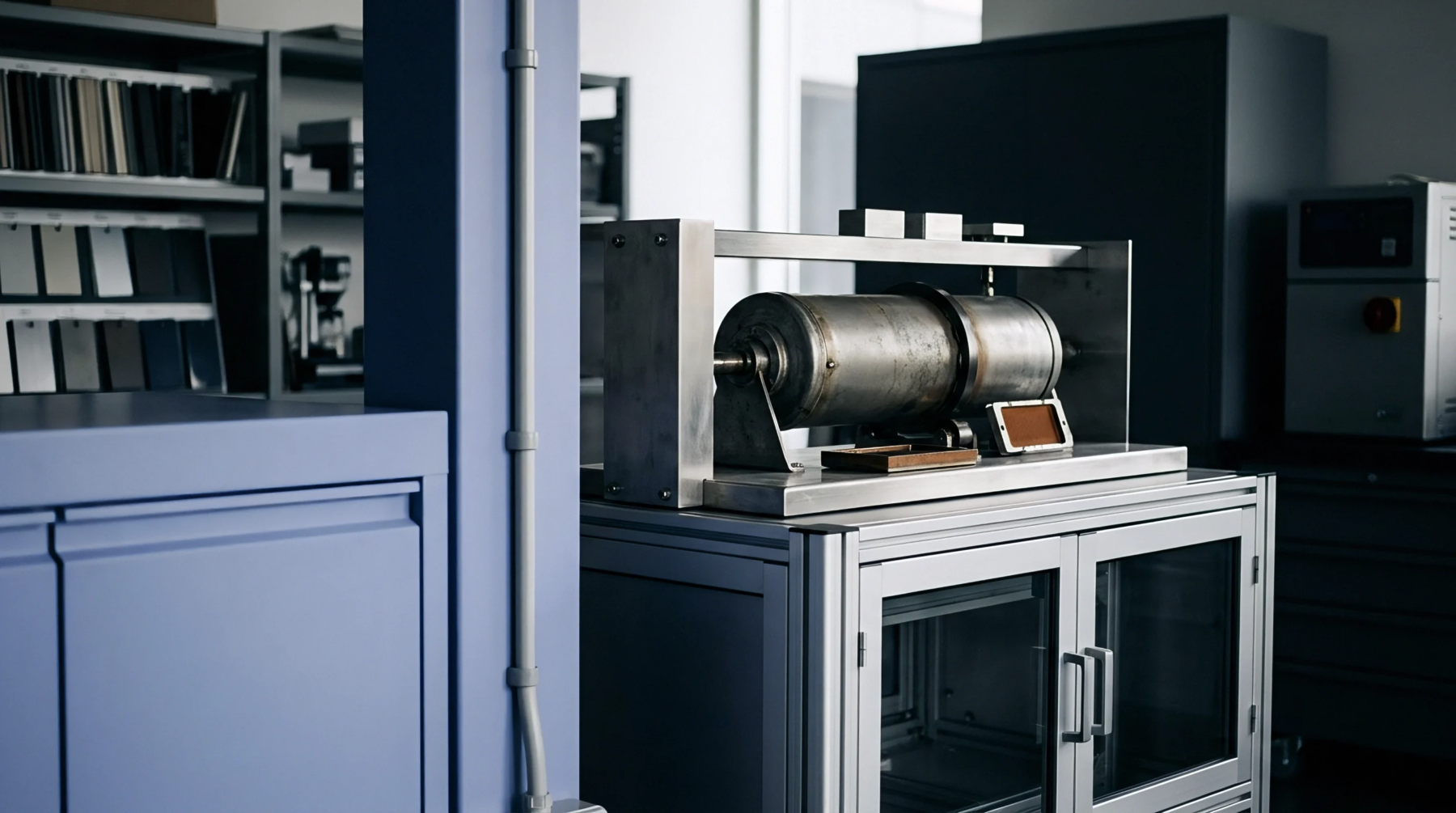
Dynamic testing protocols that expose electrochemical cells to continuous random or sinusoidal mechanical oscillations over long periods simulate the repetitive stresses of road transport. This vibration test evaluates the durability of terminal connections, casing seals, and internal jellyrolls under continuous shaking. This test is run as part of the safety certification process, ending when the test profile is completed or when the cell leaks or loses electrical continuity.
Sourcing teams use this data to confirm that the cells will not fail during years of use in electric vehicles.
Test Profile
The cells are bolted to a shake table that runs different frequencies and temperatures for many hours. This mimics the vibrations of driving over rough roads or flying in a cargo plane.
Mechanical Strain
Continuous shaking can wear down the internal separator sheet, which separates the anode and cathode. If the separator wears through, a short circuit will occur, leading to a sudden loss of energy or a fire. Sourcing engineers review these tests to ensure that the internal design of the cell is robust enough to handle these forces.
It helps them avoid purchasing cells that suffer from loose internal components or weak casing seals.
Sourcing Decider
Sourcing agreements require cells to pass this test before they are accepted for production. If a cell model fails, the buyer will select an alternative supplier to protect the safety of their products.