
Navigating Battery Cargo Import Documentation and Entry Requirements
Compliant battery imports demand verified UN 38.3 test summaries, accurate dangerous goods declarations, state of charge caps, and partner agency clearances.
Compliant battery imports demand verified UN 38.3 test summaries, accurate dangerous goods declarations, state of charge caps, and partner agency clearances.

Statutory importer liability attaches strictly to domestic consignees, converting dangerous goods transport and testing deficits into immediate financial exposure.

UN 38.3 compliance requires an accredited test summary matching physical cell design metrics to clear Class 9 dangerous goods freight inspections.

Interphase fracture under fast charging drives plating and fade, demanding rigorous receiving screening and strict carrier compliance.

Lock bills of materials and enforce incoming statistical Cpk gates on cell mass, ACIR, and anode overhang to halt manufacturing drift before pack assembly.

Air transit compliance demands cell state of charge verification below thirty percent using calibrated current integration and relaxation-corrected voltage lookups.

Foreign arbitral awards for battery test summary fraud enforce successfully by joining subcontractors via agency doctrines and garnishing global OEM receivables.

Evanescent fiber-optic signal separation detects sub-micron lithium plating in pouch cells before voltage shifts appear, requiring validated hermetic tab seals.
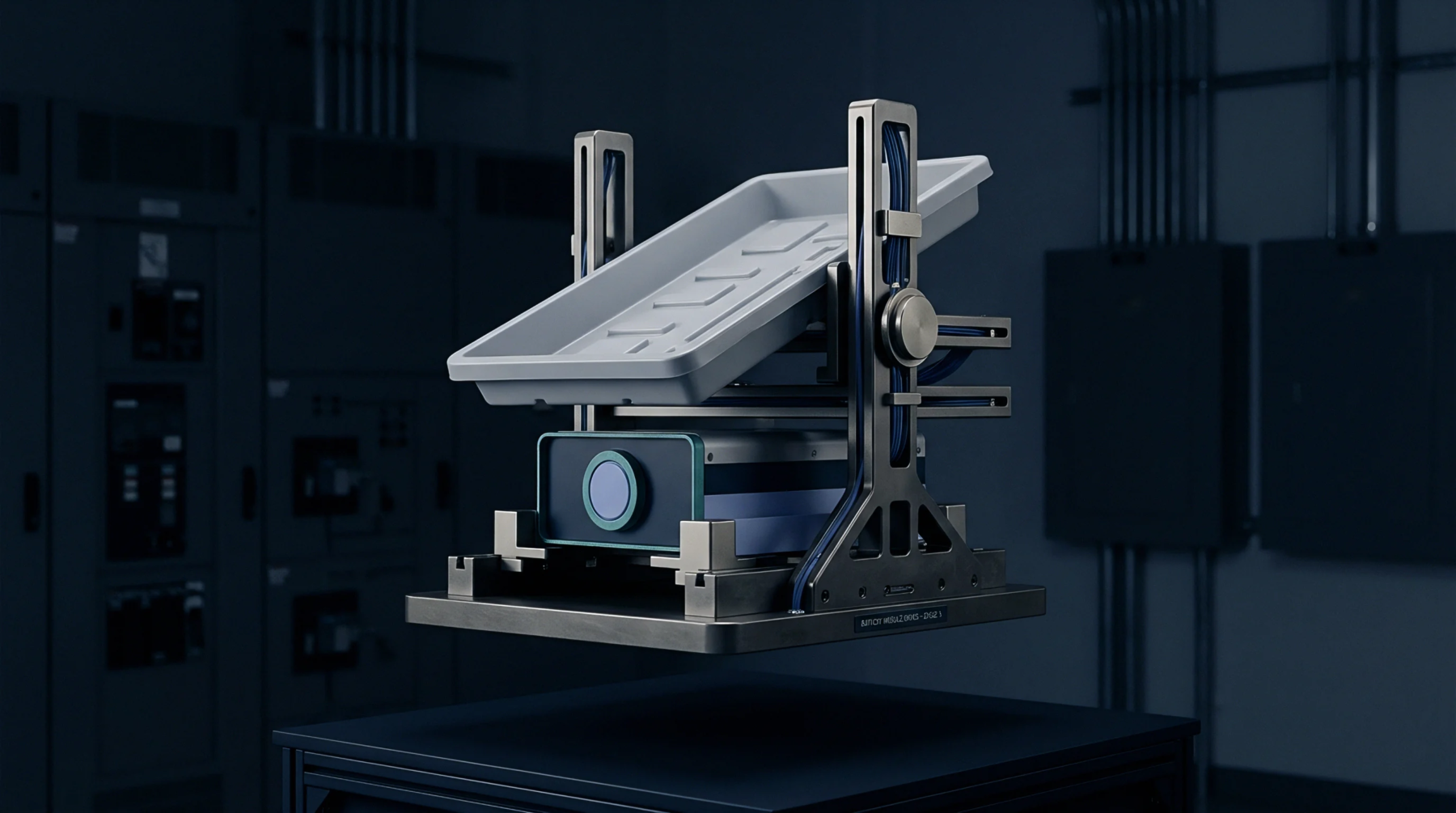
Cross-referencing UN 38.3 test summaries with air waybills aligns model names, watt-hour ratings, and package weights to prevent carrier rejections and fines.

Cross-border battery transport requires verified UN 38.3 test summaries, sub-30-percent aviation charge limits, and modal UN packaging marks to clear customs.

Select interfacial foams by balancing beginning-of-life preload against end-of-life swell deflection to keep module cell pressure between 0.05 and 0.80 MPa.

Verify UN 38.3 test summaries, enforce the 30% state of charge ceiling, and audit packaging specs to ensure compliant battery air freight.
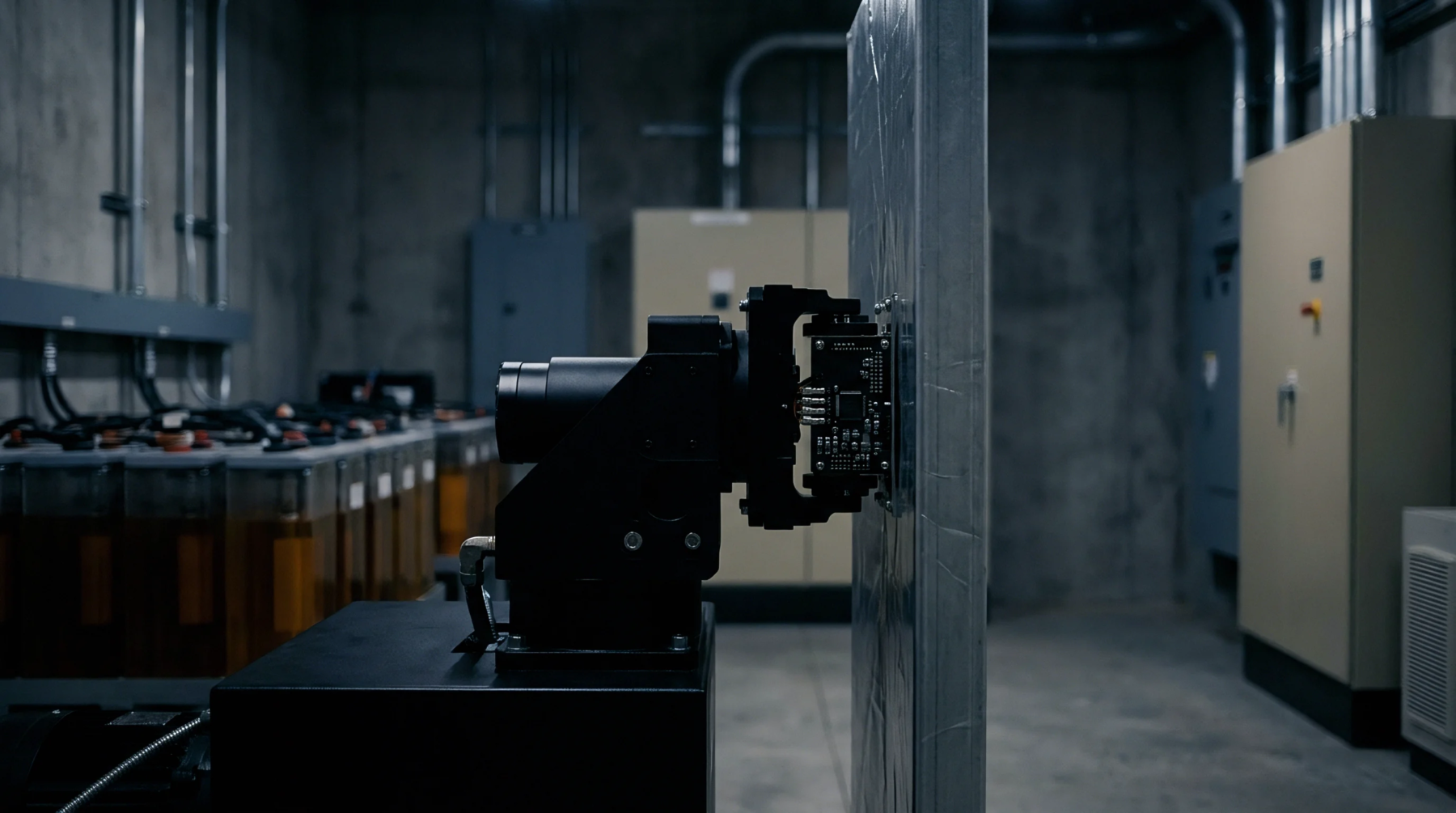
Air freight acceptance demands verifying all ten UN 38.3.5 fields against physical cargo labels to prevent cargo holds, civil fines, and insurance voidance.

Customs transit suspends EU carbon passport requirements until economic release, requiring bonded warehouse verification of primary freight carbon data.

Verify inbound cell compliance using ISO 2859-1 sampling, microvolt OCV screening, K-value decay tracking, and UN 38.3 audit chains before pack assembly.

Automated off-gas screening detects lithium cell micro-venting by measuring alkyl carbonate vapors under altitude and thermal transport stress before thermal runaway occurs.
Hazardous goods audit frameworks require verified UN 38.3 test summaries, strict state of charge caps, and compliant packaging to ensure legal transport authorization.

UN 38.3 mandates eight environmental and electrical safety tests for lithium batteries, requiring verified test summaries for legal commercial transport.

A UN 38.3 test summary requires ten mandatory data fields, lab accreditation validation, and exact serial batch matching to clear dangerous goods air freight.

Cross-border cell movement requires an unbroken paper trail linking UN 38.3 lab tests, 30% SOC limits, GHS safety data sheets, and local customs filings.

Inbound cell inspection requires dual-path verification of UN 38.3 documentation and AQL sampling of open-circuit voltage, impedance, and K-value drop.

Rigorous dangerous goods document audits verify UN 38.3 test summaries, safety data sheets, and shipper declarations to prevent costly port delays and cargo holds.
Expertise is a utility, not a secret. sentiention™ publishes its working knowledge as open reference: intelligence layer covering the materials it sources, the markets it enters, and the reference that serves both.