Meaning
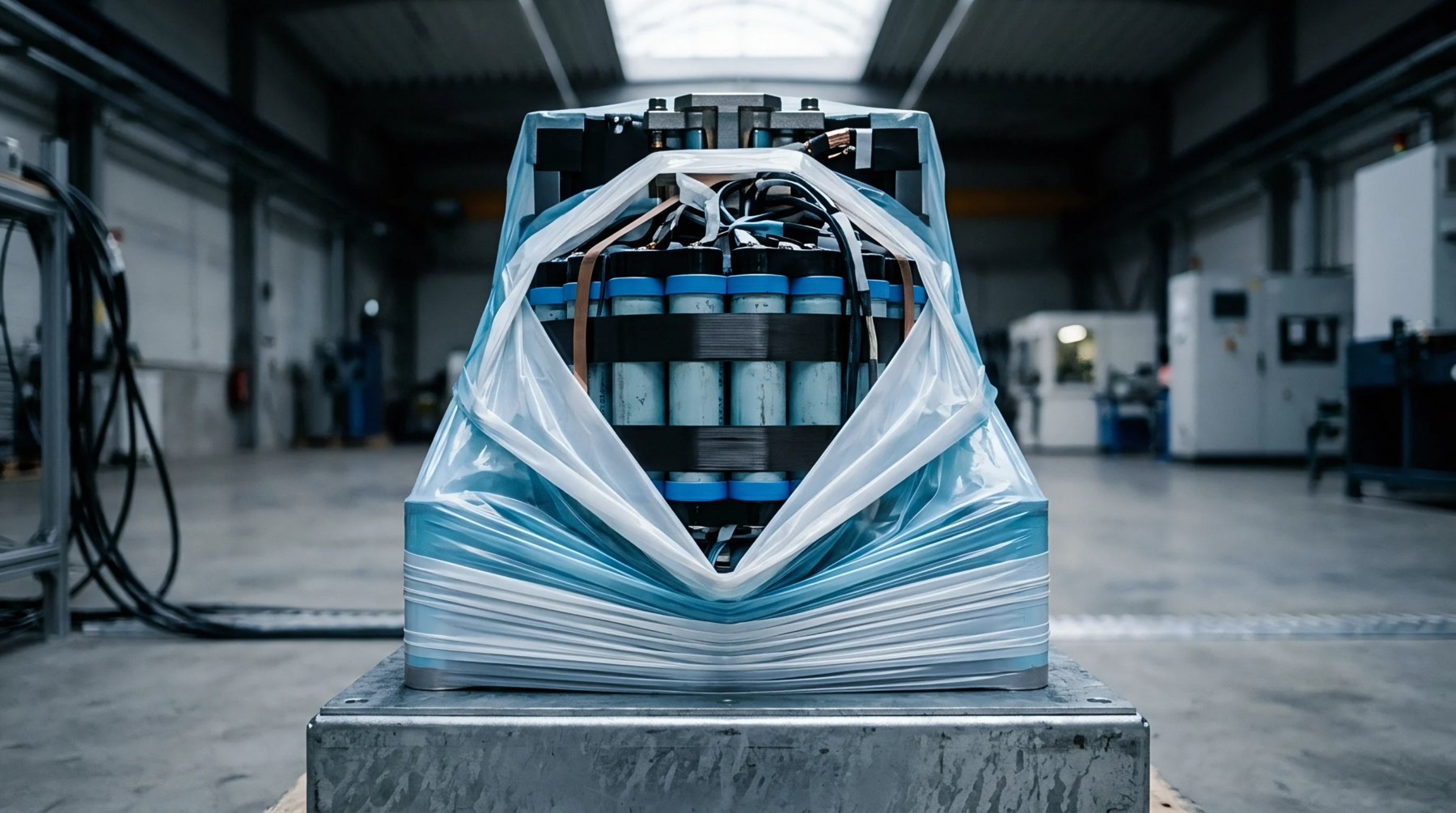
An importer of record is the legally responsible entity designated to ensure that imported goods comply with all local laws, regulations, and customs requirements. This designated party assumes the financial and legal liability for the correctness of the customs declaration, the payment of duties, and the validity of product certifications. For battery manufacturing companies sourcing cells or materials internationally, this role involves securing the necessary permits for hazardous materials and managing the complex paperwork required for clearance.
This commercial designation moves the procurement team’s choice of shipping terms and risk management strategies during global sourcing.
Customs Duty
The designated entity must calculate and pay the correct customs duties, taxes, and administrative fees associated with the imported battery components. This calculation depends on the accurate classification of the goods under the Harmonized System codes, which must be documented on the entry paperwork. Sourcing agreements must explicitly state whether the buyer or the seller assumes this role, as it affects the total landed cost of the materials.
If the customs authority finds that the goods were misclassified or undervalued, the designated importer faces severe financial penalties and cargo delays. This responsibility requires a deep understanding of trade laws and close cooperation with licensed customs brokers.
Legal Liability
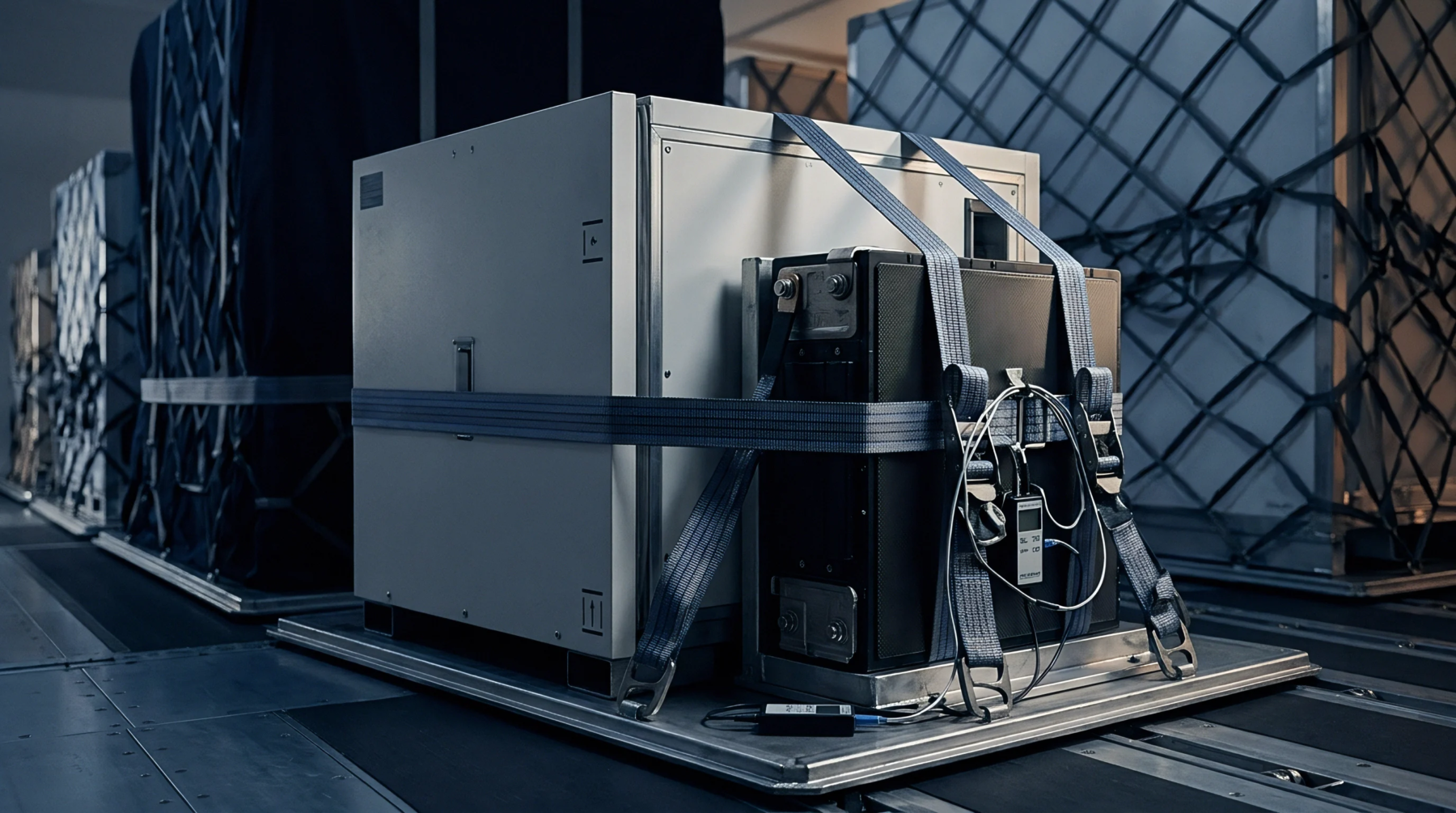
This role carries full legal responsibility for ensuring that the imported batteries and chemicals comply with all domestic safety and environmental standards. For instance, the importer must verify that the incoming shipments comply with toxic substance control acts and transport regulations for lithium batteries. If the goods fail to meet these statutory requirements, the importer is held liable for any fines, storage costs, or disposal fees.
Sourcing managers must ensure that their legal department has reviewed the compliance certificates of all foreign suppliers before assuming this role. This precaution protects the importing company from regulatory non-compliance issues.
Supply Continuity
Sourcing teams often utilize third-party logistics providers to act as the legal importer when navigating complex or unfamiliar trade environments. This strategy reduces the operational burden on the manufacturer and accelerates the customs clearance process, ensuring that the assembly line receives materials without interruption. However, if the manufacturer acts directly in this capacity, they must maintain a dedicated trade compliance team to manage the import process and handle customs audits.
Sourcing departments must balance the lower cost of direct importing against the higher operational risks and administrative overheads. It remains a key strategic decision in global battery procurement.