Continuous Rotary Kiln Yield Optimization for Low Defect Sodium Anodes
Continuous rotary kiln yield optimization requires tight residence profiles and sealed inert draft to preserve closed nanovoids and maximize initial efficiency.

Residence
The main yield bottleneck in sodium-ion battery manufacturing sits in the calcination thermal profile. Precursors like sucrose, pitch, phenolic resins, and bio-derived lignins undergo substantial structural shifts between 900 degrees Celsius and 1400 degrees Celsius. Inside a continuous rotary tube furnace, the interplay between solid residence time distribution and dynamic bed mixing decides whether the precursor forms accessible micropores or inactive, closed graphitic domains.
Any excess defect concentration shows up immediately as irreversible capacity loss on the first cycle, draining active sodium from the cathode.
Bed motion in an indirectly heated kiln is governed by flight geometry, rotational speed, tube slope, and fill level. At 1.5 to 3.5 revolutions per minute, the particle charge cascades along the transverse cross-section. If the bed slips or slumps instead, temperature stratifies across the cross-section: the material riding the tube wall reaches 1300 degrees Celsius while the core sits at 1120 degrees Celsius.
That 180-degree gradient produces uneven carbonization through the discharge lot, spreading the inter-graphene spacing d002 distribution past specification.
Dynamic bed cross-sections operating under slipping motion generate localized temperature differentials exceeding 150 degrees Celsius between the inner core and the tube boundary wall.
Maintaining high throughput depends on an axial feed rate that keeps the residence time distribution narrow. Between 450 degrees Celsius and 750 degrees Celsius, pitch and resin precursors release volatile hydrocarbons. If the bed passes through this intermediate carbonization zone without adequate inert purge flow, heavy tars condense back onto the descending particles, plugging transport micropores and dragging the pore size distribution out of the target 0.55-nanometer window into dead micropores under 0.4 nanometers.
At standard charge voltages, sodium ions cannot desolvate and enter apertures smaller than 0.4 nanometers, choking off plateau capacity below 0.1 volts versus sodium metal.
Calcining conditions determine first-cycle coulombic efficiency primarily through defect concentration and residual heteroatoms. Higher peak temperatures strip out remaining oxygen and hydrogen complexes, shrinking the specific surface area and cutting solid electrolyte interphase losses. Beyond 1350 degrees Celsius, however, premature graphitic closure begins, cutting into the slope capacity linked to interlayer insertion.
Furnace control has to balance those two constraints down the entire length of the heated tube.
Nominal setpoint stability alone does not guarantee structural uniformity across the discharged powder mass.

Draft
Gas transport along the tube regulates both the extraction of volatile byproducts and residual oxygen levels. Hard carbon lines run on an ultra-pure nitrogen sweep, either counter-current or co-current. A counter-current sweep recovers heat efficiently by bringing hot exit gas against the cold incoming feed, but it also carries volatile tars back toward the inlet, where cooler temperatures condense them onto incoming precursor.
Co-current flow sweeps those volatiles forward into hotter zones to crack heavy hydrocarbons into light gases, though it takes larger nitrogen volumes to hold oxygen partial pressure below 5 parts per million.
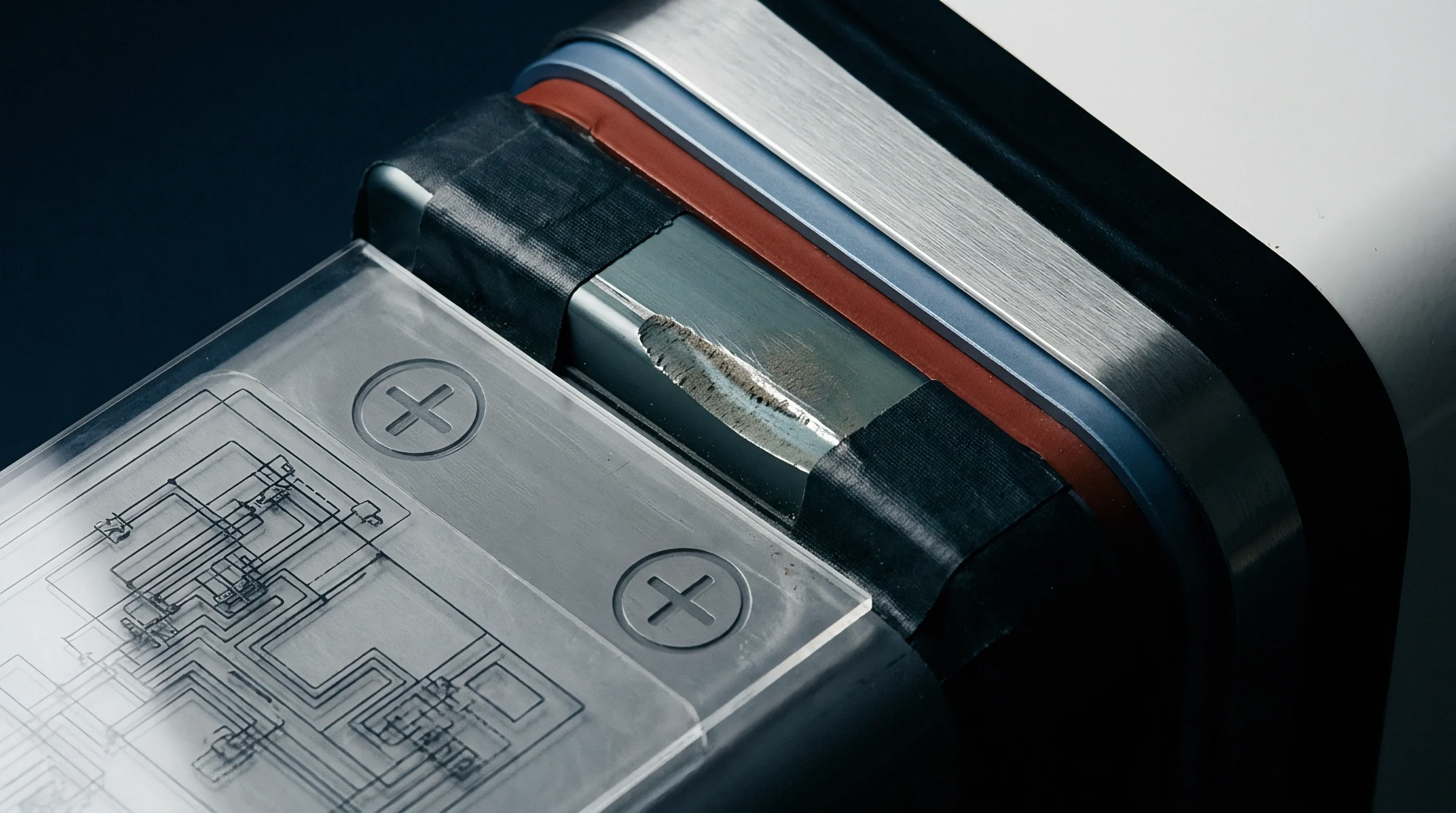
Sealing the rotary atmosphere requires reliable mechanical interfaces. Double-face dry gas seals or packed glands with pressurized nitrogen barriers keep ambient air out at the stationary hoods. If an air leak introduces even 20 parts per million of oxygen into the soaking zone above 1100 degrees Celsius, particle surfaces begin to etch.
That localized burning forms carbonyl, carboxyl, and phenolic hydroxyl groups on the graphene sheet edges. In a half-cell against sodium metal, those edge groups react irreversibly with the electrolyte, consuming active sodium and pulling initial coulombic efficiency down from 88 percent to below 74 percent.
| Seal Configuration | Chamber Pressure (Pa) | Purge Nitrogen Consumption (Nm³/h per ton) | Oxygen Content (ppm) | Initial Coulombic Efficiency (%) | Plateau Capacity (mAh/g) |
|---|---|---|---|---|---|
| Single Mechanical Packing | -20 to -50 | 120 | 45 to 80 | 71.5 to 75.0 | 140 to 165 |
| Pressurized Nitrogen Double Packing | +10 to +30 | 180 | 8 to 15 | 81.2 to 84.5 | 190 to 215 |
| Non-Contacting Dynamic Face Seal | +50 to +100 | 240 | 1 to 4 | 86.5 to 89.2 | 230 to 255 |
| Labyrinth Seal with Steam-N2 Purge | 0 to +20 | 210 | 12 to 25 | 78.0 to 81.0 | 175 to 195 |
Exhaust draught control is just as critical to mechanical stability. Tar buildup in exhaust ducting causes negative pressure spikes that pull outside air through the seals. Freeboard gas velocity must stay under the entrainment limit for precursor fines, generally below 0.8 meters per second.
Running faster sweeps particles under 5 micrometers straight out of the bed and into the thermal oxidizer, cutting finished mass yield by 4 to 9 percent. Maintaining a slight positive pressure head of 20 to 50 Pascals relative to ambient prevents air ingress without blowing dust through the seals.
When draft regulation slips, the resulting capacity loss forces pack builders to oversize cathode loading simply to offset inactive inventory.
Profile
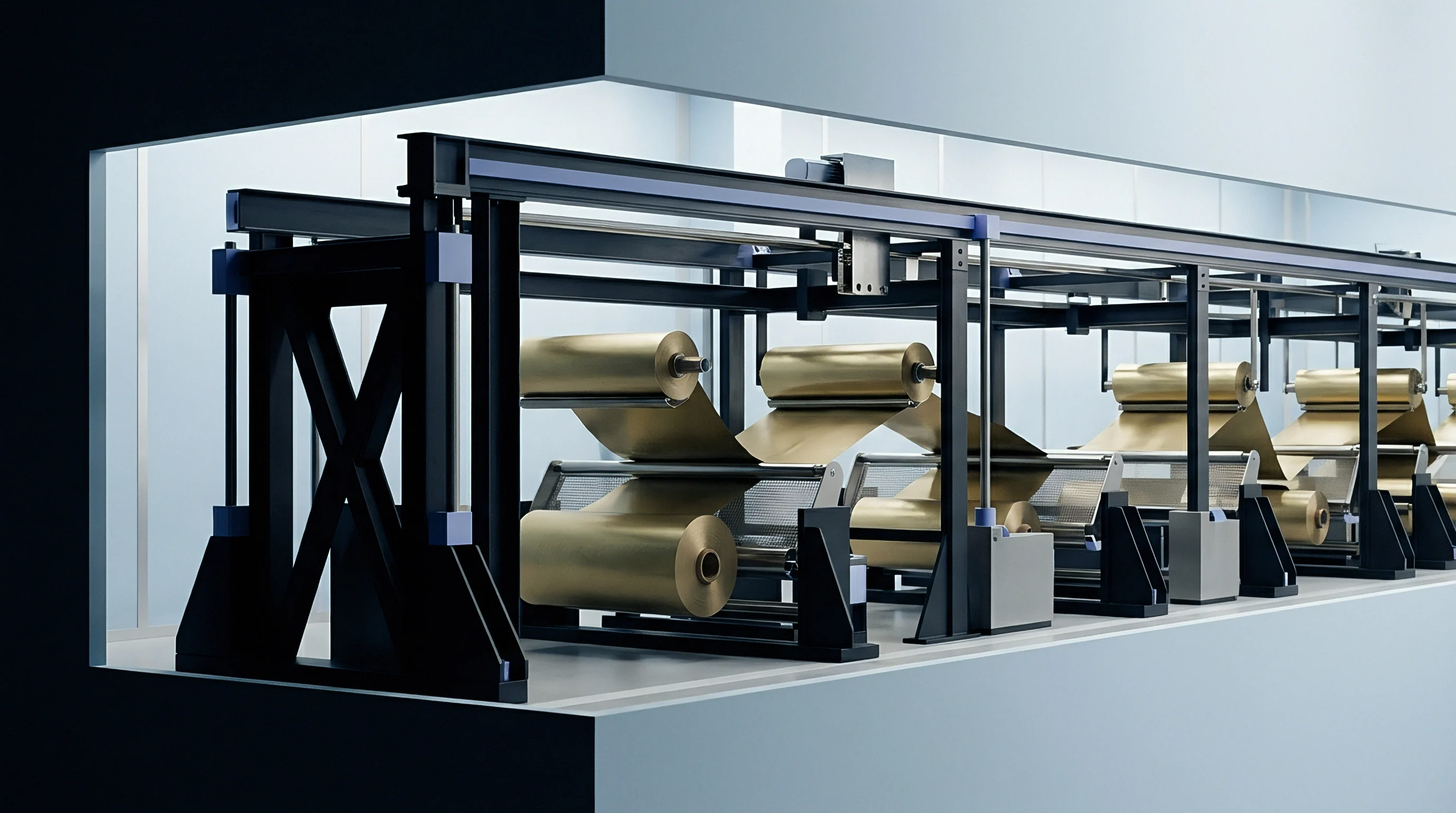
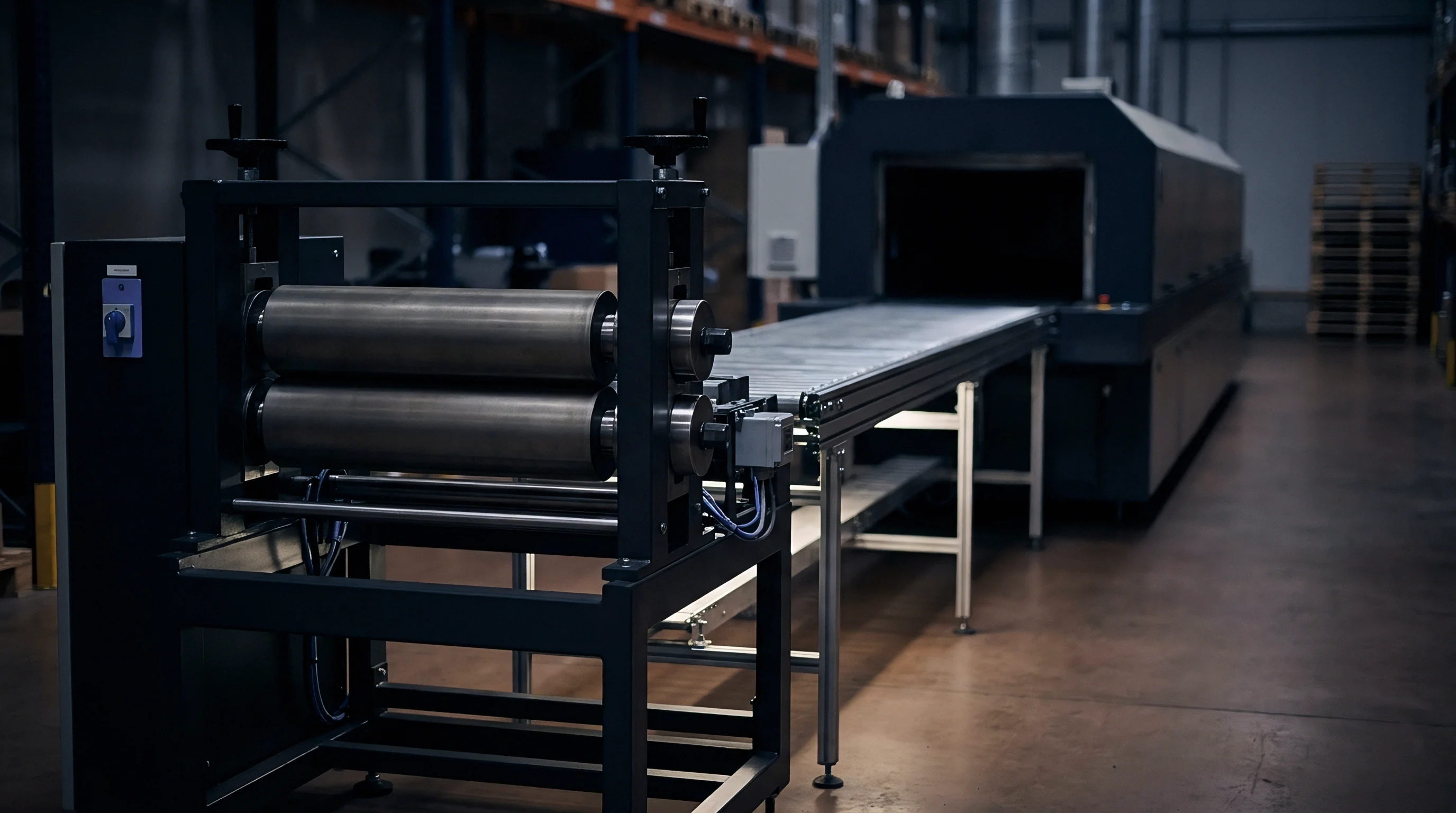
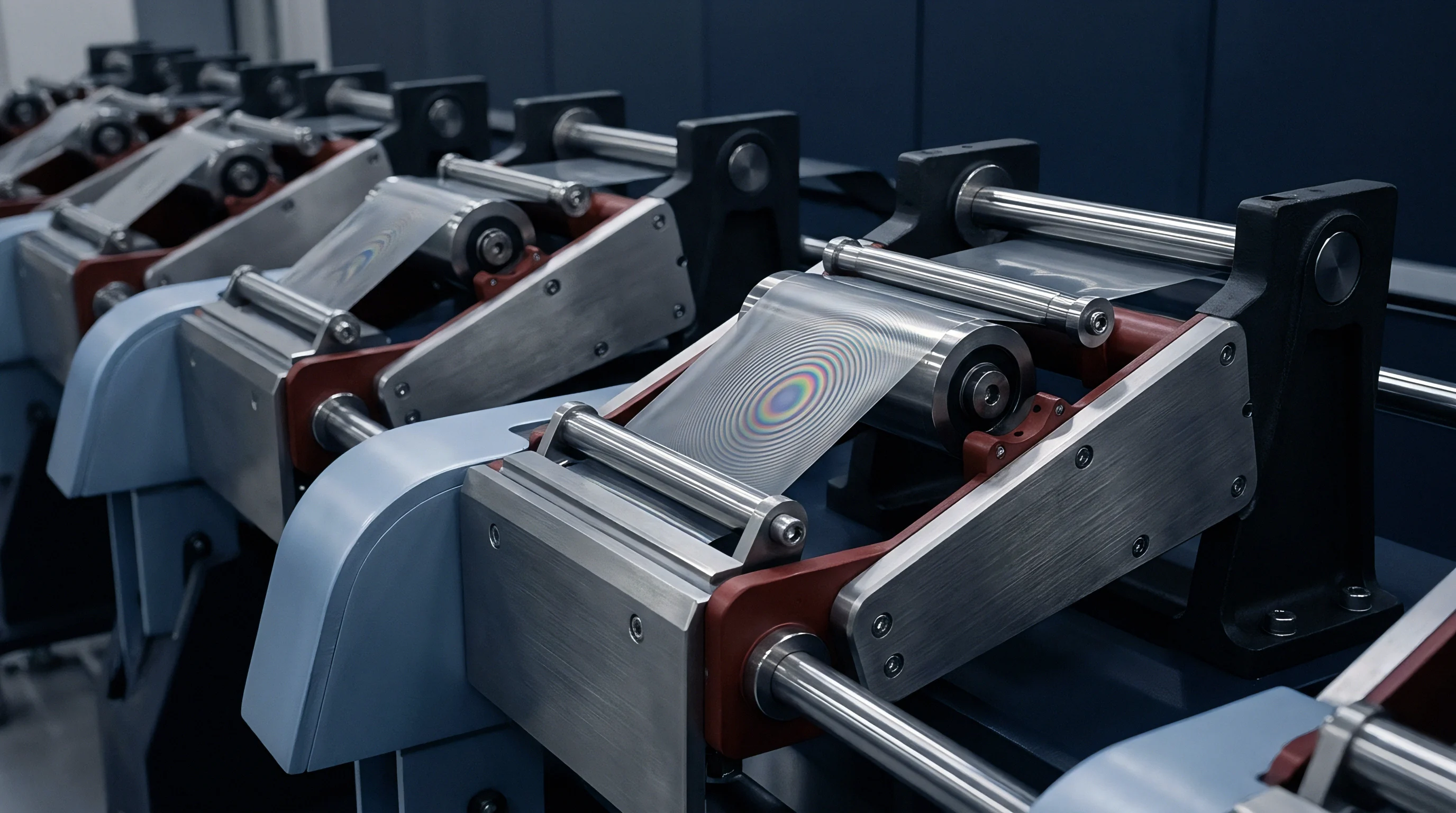
Axial temperature profiling across the kiln drives dehydrogenation, ring cyclization, and crystallographic ordering. The thermal path spans four distinct segments: drying and preheat (ambient to 300 degrees Celsius), depolymerization and devolatilization (300 to 700 degrees Celsius), high-temperature structural consolidation (700 to 1100 degrees Celsius), and final graphitic tuning (1100 to 1400 degrees Celsius). Each requires its own heat flux targets to keep precursor particles from fracturing internally under thermal stress.

De-Volatilization Kinetics and Internal Stress
Between 350 degrees Celsius and 600 degrees Celsius, the precursor reorganizes rapidly, venting water, methane, carbon dioxide, carbon monoxide, and light phenols. Ramping faster than 8 degrees Celsius per minute through this window generates gas faster than it can diffuse out, building internal pressures that blow out the carbon shell. This micro-rupturing drives Brunauer-Emmett-Teller surface area from a normal 2 to 4 square meters per gram up to 18 to 35 square meters per gram.
That extra surface consumes electrolyte solvent and active sodium during formation cycling through aggressive SEI growth.
Final-zone soaking sets the d002 interlayer spacing, which needs to fall between 0.365 nanometers and 0.385 nanometers for unhindered sodium insertion. Holding peak temperatures below 1100 degrees Celsius leaves high concentrations of sp3 defect sites and residual heteroatoms, which impairs conductivity and causes severe voltage hysteresis on cycling. Push past 1380 degrees Celsius, however, and rapid graphitization contracts the interlayer gap below 0.355 nanometers, blocking intercalation of desolvated sodium ions with their 0.102-nanometer radius.
Can Tailored Thermal Transitions Suppress Structural Defects?
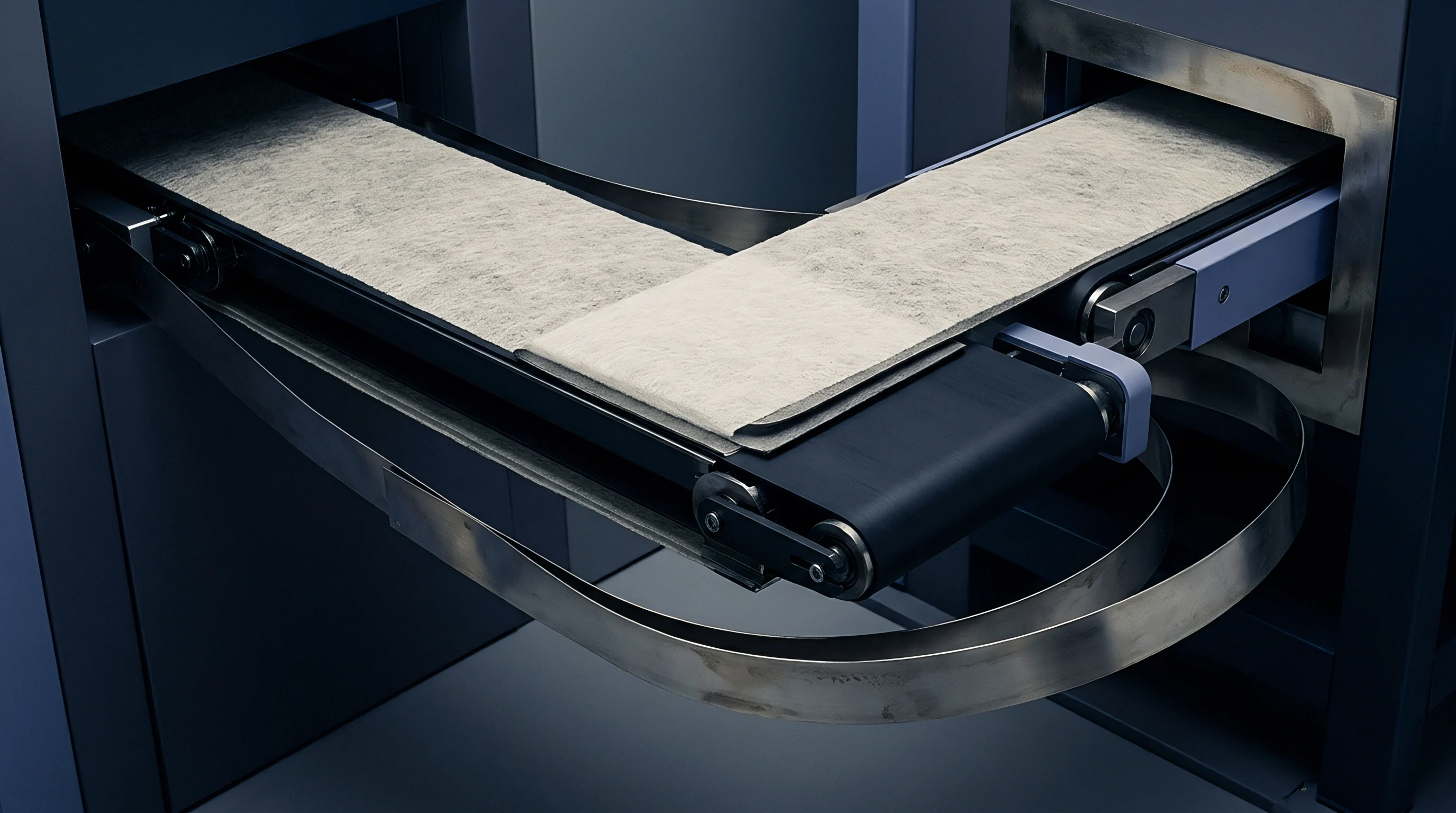
Smoothing the transition between zones prevents skin-core structural disparity across individual grains. On kilns with external electric resistance heating, zone control loops must hold wall setpoints within 2 degrees Celsius. Moving from the 800-degree zone into the 1300-degree soak at an intermediate ramp of 5 degrees Celsius per minute gives pseudo-graphitic domains time to reorient without the localized thermal shock that triggers turbostratic disorder.
DIN 51903 defines testing standards for carbon content and ash residues, but factory verification for sodium anode hard carbon requires high-resolution transmission electron microscopy to measure true turbostratic layer divergence.
Solid transport through each section depends on internal flights. Without them, bed material simply slides along the lower shell, choking radial heat transfer and widening the residence time distribution. Flights scoop up the powder and curtain it down through the heated purge gas, maximizing radiative and convective contact.
That curtaining prevents cold cores from surviving in the bed and helps ensure uniform heat exposure across coarse and fine fractions alike.
Skipping zone-to-zone tuning causes batch-to-batch shifts in voltage hysteresis, which quickly undermines cell balancing once cells are wired in series.
Burn
Yield in sodium anode production reflects the final mass of qualified hard carbon against raw precursor input, balancing carbonization loss against electrochemical rejection. Chemical carbon yield sets the theoretical ceiling, but operational yield takes the hits from mechanical attrition, dust entrainment, wall fouling, and off-spec lots rejected for defect thresholds.
Particles grind against one another and the alloy tube wall throughout transit. A feed milled to a target D50 of 10.5 micrometers can easily degrade into a bimodal distribution with a secondary peak around 1.2 micrometers. Because fines below 2 micrometers carry excessive specific surface area, they drag down first-cycle efficiency across the whole lot.
High rotational speeds and aggressive lifter profiles worsen particle shatter. Maintaining bed fill between 12 and 18 percent offers enough inter-particle cushioning to limit shear fracture without choking off heat transfer.
- Rotational velocity calibration establishes a cascading rather than cataracting bed to prevent high-impact shattering against the shell lining.
- Purge velocity modulation keeps gas velocity below the terminal settling speed of fine particles, curbing carryover into collection cyclones.
- Flight geometry modification replaces aggressive lifters with curved, low-drop profiles to soften impact during particle showering.
- Wall temperature dampening limits local hot spots to prevent volatile tars from coking onto furnace tube walls.
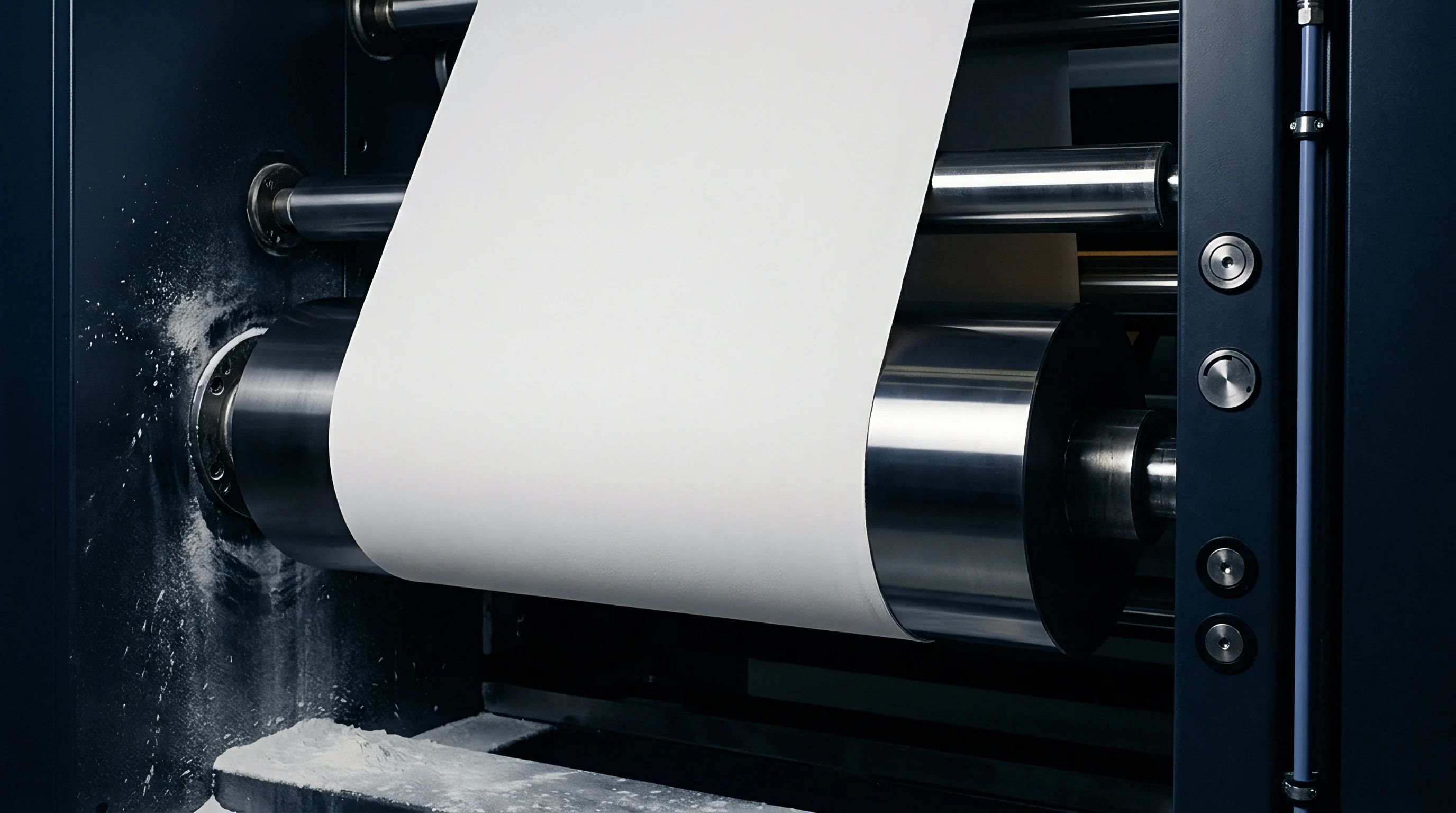
Wall scaling causes a persistent yield loss. Tar vapors released during depolymerization either condense on cooler tube surfaces or react on catalytic sites in nickel-alloy walls, building up a hard pyrolytic carbon crust. As this layer insulates the interior, operators typically crank heating zones to hold core temperature setpoints, which overstresses the metal and scorches powder sliding over the scale.
When sections of cake inevitably slough off, they contaminate the discharge with dense, over-calcined chunks that have to be screened out downstream.
A contract specifying yield purely on raw input mass without tying it to particle size retention clauses leaves the buyer paying for worthless fines caught in the baghouse.
Grading
Hard carbon lots undergo extensive physical, chemical, and cell-level screening before release to slurry preparation. Verification protocols confirm that continuous calcination produced a uniform crystallographic network without unacceptable defect densities.
Structural screening relies on X-ray diffraction, Raman spectroscopy, and gas adsorption. Diffraction scans provide the average interlayer spacing d002 and crystallite height Lc. Raman spectra yield the intensity ratio between the defect D-band (near 1350 inverse centimeters) and the graphitic G-band (around 1580 inverse centimeters). An ID/IG ratio between 1.05 and 1.25, paired with a d002 of roughly 0.372 nanometers, reflects a turbostratic structure capable of delivering 300 to 330 milliampere-hours per gram with low initial loss.
| Parameter | Measurement Method | Target Range | Rejection Limit | Electrochemical Consequence |
|---|---|---|---|---|
| Interlayer Spacing (d002) | XRD (Cu Kα) | 0.370 to 0.380 nm | < 0.362 nm | Collapse of plateau insertion capacity |
| Crystallite Height (Lc) | XRD Scherrer Equation | 1.1 to 1.5 nm | > 2.2 nm | Excessive graphitization and poor rate capability |
| Raman Intensity Ratio (ID/IG) | 532 nm Laser Raman | 1.05 to 1.25 | > 1.45 | High surface defect density and low coulombic efficiency |
| BET Specific Surface Area | N2 Physisorption (77 K) | 2.0 to 4.5 m²/g | > 7.0 m²/g | Excessive first-cycle SEI consumption |
| True Skeletal Density | He Pycnometry | 1.50 to 1.65 g/cm³ | < 1.42 g/cm³ | High inaccessible microporosity, low volumetric energy |
| Particle Size (D50) | Laser Diffraction (Wet) | 8.0 to 12.0 µm | < 6.5 or > 14.5 µm | Slurry instability or poor electrode packing density |
Cell-level qualification verifies physical data by cycling samples directly against sodium metal in coin or pouch cells. Testing runs at 0.1 C (with 1 C set to 300 milliamperes per gram) between 0.005 volts and 2.0 volts. Initial coulombic efficiency must clear 83 percent, with plateau capacity below 0.1 volts making up at least 50 percent of the total charge delivered.
High slope capacity above 0.1 volts combined with weak plateau performance points straight to under-calcining ~ either from an inadequate soak temperature or insufficient bed residence time in the hot zone.
Helium pycnometry provides a clean read on closed pore volume. A high skeletal density indicates a dense, void-free matrix. When skeletal density drops under 1.45 grams per cubic centimeter while BET surface area stays low, the carbon contains internal nanovoids that helium cannot enter.
These closed pores store quasi-metallic sodium clusters at low plateau voltages, yielding high capacity without dendrite formation. Protecting that internal volume requires clean gas control; trace carbon dioxide or moisture at high temperature gasifies the carbon, opening closed voids to the surface and driving up electrolyte-accessible area.
A continuous calcination lot achieving 310 mAh/g at 0.1 C in half-cells can still cause rapid pack failure if internal closed voids collapse into open micropores under high-pressure electrode calendering.
Electrochemical impedance tracks interfacial kinetics. High charge-transfer resistance across the SEI usually flags surface contamination from condensed tars or oxygen functional groups. If exhaust flow velocities drop, cracked soot settles back onto cooling carbon, leaving an unstable surface layer that degrades rapidly over extended cycling.
High-volume production lots require a rigid electrochemical qualification sequence before release.
A standard shift protocol evaluates 32 half-cells sampled across the run, cycling through symmetric C-rate steps up to 2 C to confirm retention. The lot fails if the coefficient of variation for first-cycle coulombic efficiency exceeds 1.8 percent across the set. High scatter points directly to temperature instability along the tube axis or uneven solid transit.
Commercial terms routinely stipulate that material missing the target plateau-to-slope ratio between 0.005 volts and 2.0 volts forfeits acceptance, leaving reprocessing expenses entirely with the calciner.
Arithmetic
Processing costs dictate whether hard carbon anodes can compete against synthetic graphite. While graphite requires electric arc graphitization between 2800 and 3000 degrees Celsius, hard carbon rotary calcination tops out between 1100 and 1400 degrees Celsius, lowering electrical demand substantially. Production margins then come down to carbon yield, physical recovery, nitrogen usage, and tube maintenance schedules.

Worked Cost Model: 1,000 Kilogram Finished Batch
The baseline economics for calcining bio-pitch precursor in a continuous rotary kiln reflect typical commercial operating parameters:
- Raw precursor cost sits at 1.80 dollars per kilogram dry basis.
- Chemical carbon yield delivers 48.0 percent theoretical conversion through calcination.
- Rotary kiln mechanical yield retains 91.0 percent of theoretical output after accounting for entrainment, scaling, and fine losses.
- Electrical power consumption runs at 2.80 kilowatt-hours per kilogram of precursor fed, priced at 0.075 dollars per kilowatt-hour.
- Liquid nitrogen consumption draws 1.60 normal cubic meters per kilogram of precursor for sweeping and seal gas, priced at 0.18 dollars per normal cubic meter.
- Rotary tube maintenance reserve allocates 220 dollars per ton of finished product toward tube changeouts every 14 months.
- Slurry processing rejection allowance factors in a 4.0 percent reject rate during incoming electrochemical screening.
Precursor mass required to produce 1,000 kilograms of qualified output:
Net physical recovery combines chemical and mechanical yields:
0.48 multiplied by 0.91 equals 0.4368 (43.68 percent net calcination recovery).
Factoring in the 4.0 percent electrochemical reject rate at qualification:
1,000 kilograms divided by (1 minus 0.04) equals 1,041.67 kilograms of calcined carbon required.
Total precursor feed required:
1,041.67 kilograms divided by 0.4368 equals 2,384.78 kilograms of raw precursor.
Precursor material cost:
2,384.78 kilograms multiplied by 1.80 dollars per kilogram equals 4,292.60 dollars.
Utility costs across the run:
Electrical power input equals 2,384.78 kilograms multiplied by 2.80 kilowatt-hours per kilogram, yielding 6,677.38 kilowatt-hours. At 0.075 dollars per kilowatt-hour, electricity totals 500.80 dollars.
Inert nitrogen consumption equals 2,384.78 kilograms multiplied by 1.60 normal cubic meters per kilogram, totaling 3,815.65 normal cubic meters. At 0.18 dollars per normal cubic meter, nitrogen totals 686.82 dollars.
Tube depreciation and maintenance reserve:
1.042 tons of calcined output multiplied by 220.00 dollars per ton equals 229.24 dollars.
Summing direct manufacturing expenses for 1,000 kilograms of qualified powder:
Precursor (4,292.60 dollars) plus electricity (500.80 dollars) plus nitrogen (686.82 dollars) plus maintenance (229.24 dollars) equals 5,709.46 dollars.
Net manufacturing cost per kilogram of qualified material equals 5.71 dollars per kilogram.
Sensitivity to Purge Optimization and Yield Drops
Running a rotary tube with loose mechanical seals forces operators to over-purge nitrogen to stave off air leaks. Raising consumption from 1.6 to 2.8 normal cubic meters per kilogram adds 515.11 dollars in utility expense per batch, or 0.52 dollars per kilogram of finished powder.
If mechanical yield slips from 91 percent down to 82 percent through excessive attrition or poor lifter profiles, raw precursor demand jumps from 2,384.78 kilograms to 2,646.66 kilograms. That loss adds 471.38 dollars in feed costs and 129.98 dollars in utilities, pushing unit production cost to 6.31 dollars per kilogram.
A five-percent drop in continuous kiln mechanical yield inflates the landed cost per delivered ampere-hour of cell capacity more than a fifteen-percent fluctuation in raw precursor market pricing.
For sodium-ion cells rated at 160 watt-hours per kilogram with a nominal 3.1 volts output, anode material constitutes 14 to 18 percent of the total bill of materials. At 5.71 dollars per kilogram and a delivered capacity of 300 milliampere-hours per gram, anode cost works out to 0.0190 dollars per ampere-hour. When processing defects raise material cost to 6.31 dollars and degrade plateau capacity to 270 milliampere-hours per gram, the anode cost per ampere-hour climbs to 0.0234 dollars ~ a 23.1 percent penalty passed straight to cell pack integration.
Calculations assume stable exhaust blower draw and precursor moisture held below 1.5 percent.