Meaning
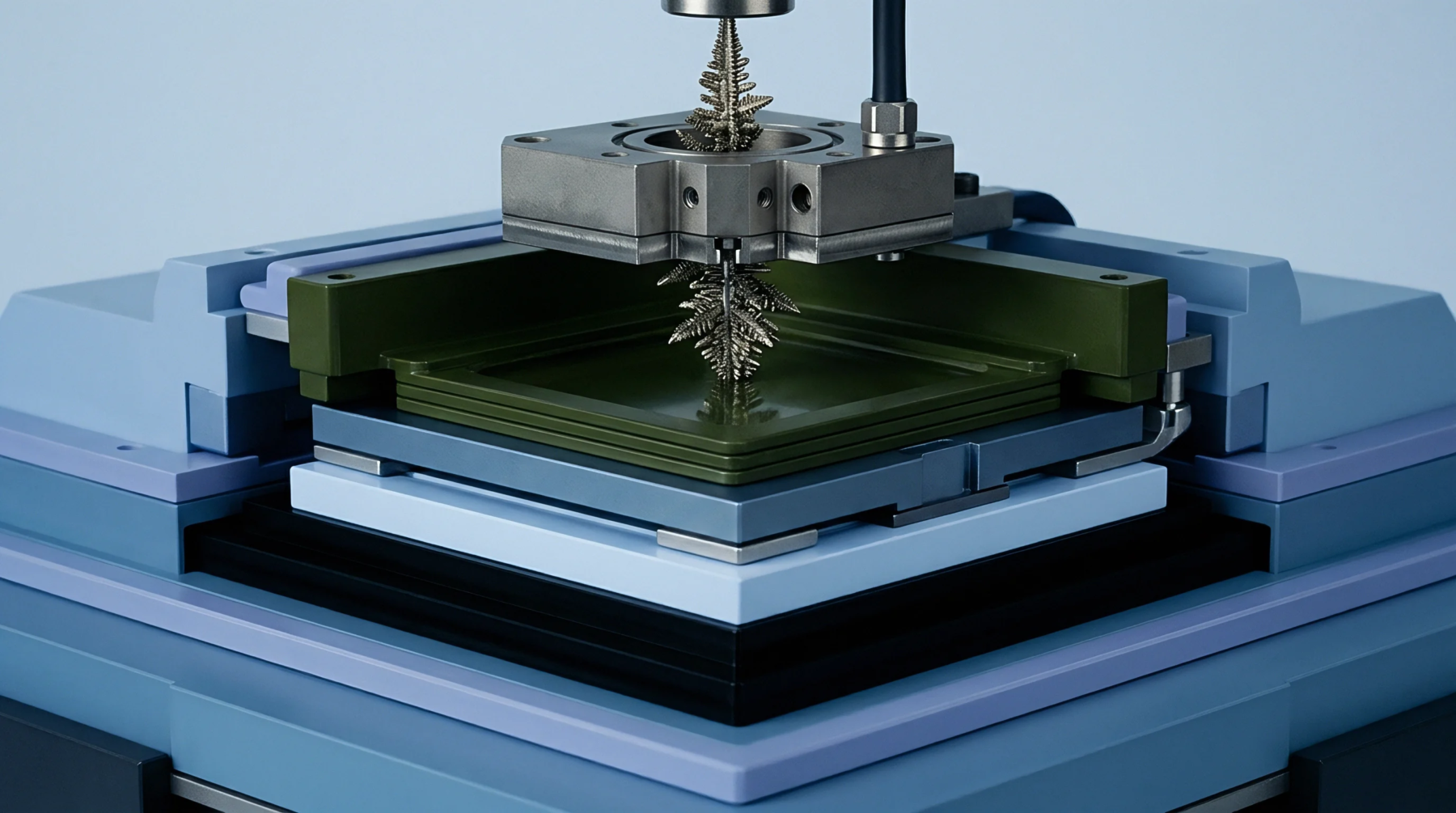
Physical material metrics define the mass of a solid powder divided by its volume, excluding open pores but including closed internal voids. Measuring skeletal density assists in calculating the theoretical density limits and electrode coating porosities of battery active materials. The parameter is typically evaluated using gas displacement methods.
Porosity Calculation
The measurement is combined with envelope density data to calculate the total percentage of open pores in an electrode coating. High electrode porosity allows for rapid electrolyte wetting but reduces the volumetric energy density of the cell. Electrode manufacturing processes must strike a balance between wetting speed and energy density.
This balance is critical to prevent lithium plating during high rate charging.
Gas Pycnometry
Helium is used as the displacement gas because its small atomic size allows it to penetrate the smallest cracks in powder particles. The instrument measures the pressure change when a known amount of gas expands into the sample chamber. Solid volumes are determined from these pressure ratios.
Electrode Performance
Powder with a low skeletal density requires more binder and solvent to form a stable slurry. This composition shift can increase the electrical resistance of the finished electrode. Sourcing contracts specify this metric to ensure material consistency.