Precursor Selection and Dehydration Rules for Hard Carbon Anodes
Hard carbon precursor dehydration requires low-temp vacuum holds to remove hydroxyls, preventing pore collapse and driving initial coulombic efficiency over 87%.
Origin
The electrochemical performance of hard carbon active materials in sodium-ion cells depends directly on the precursor’s chemical structure. Organic feedstocks generally fall into three categories: natural biomass, synthetic polymers, and fossil pitches. Biomass carries variable inorganic ash.
Synthetic resins offer uniform, highly crosslinked polymer backbones but come at a premium. Petroleum and coal tar pitches yield high carbon recovery following chemical crosslinking, though they demand pre-oxidation to prevent graphitization during high-temperature calcination.

Lignocellulosic and Biomass Feedstocks
Feedstocks like coconut shells, sucrose, starch, and wood-derived lignin are inexpensive, but their native oxygen content varies widely. Raw biomass also contains mineral impurities such as potassium, sodium, calcium, iron, and silicon. During carbonization, this ash acts as a flux, driving localized graphitization and creating unwanted macropores.
Removing it requires aggressive leaching with hydrochloric or hydrofluoric acid before heat treatment, which adds significant effluent treatment costs and alters the initial porosity of the cell walls.
Raw biomass typically contains thirty to forty-five percent oxygen by weight. Under heat, high oxygen levels spur gasification through carbon monoxide and carbon dioxide evolution. When oxygen levels are controlled, ether and carbonyl linkages crosslink the aromatic backbone, locking in a non-graphitizable disordered structure up to fourteen hundred degrees Celsius.
Uncontrolled off-gassing, however, leaves open channels that inflate the surface area measured by nitrogen physisorption, lowering initial coulombic efficiency in sodium-ion cells.
Precursor oxygen concentration dictates whether crosslinking yields accessible micropores or closed structural voids during final calcination.
Synthetic Polymers and Pitch Resins
Phenolic resins and petroleum pitches cost more upfront but provide a controlled molecular architecture. Phenolic resins form rigid, three-dimensional condensation networks virtually free of inorganic ash, producing consistent carbon structures without acid leaching. Their isotropic polymer layout remains intact through thermal breakdown, yielding hard carbon with substantial plateau storage capacity below zero point one volts relative to sodium metal.
Petroleum and coal tar pitches are complex aromatic hydrocarbon mixtures that must be stabilized prior to calcination. Thermosetting pitches undergo air oxidation between two hundred and three hundred degrees Celsius to introduce oxygen groups. These crosslink the aromatic rings, preventing structural softening and graphitic ordering above one thousand degrees Celsius.
Without this oxidation step, pitch precursors soften into graphitizable carbon, resulting in low sodium storage capacity and rapid capacity fade.
- Biomass Ash Contamination leaves residual iron and alkali metals that foster graphite domain growth and elevate self-discharge in assembled sodium cells.
- Unreacted Lignin Fractions lead to non-uniform thermal shrinkage during calcination, lowering packing density and causing particles to crack during electrode calendering.
- Broad Pore Distributions increase electrolyte consumption by exposing more surface carbon to direct decomposition.
- Pitch Volatile Extraction Failure forms soft carbon domains that cap total sodium storage capacity below two hundred milliampere-hours per gram.
| Precursor Type | Oxygen Content (wt%) | Ash Content (wt%) | Carbon Yield (%) | Process Cost ($/kg) |
|---|---|---|---|---|
| Coconut Shell Lignin | 35.0 – 42.0 | 0.80 – 2.50 | 28.0 – 34.0 | 1.50 – 2.80 |
| Corn Starch Derivative | 45.0 – 49.0 | 0.05 – 0.20 | 18.0 – 24.0 | 2.10 – 3.40 |
| Resol Phenolic Resin | 18.0 – 24.0 | 0.01 – 0.05 | 45.0 – 55.0 | 7.50 – 12.00 |
| Air-Stabilized Pitch | 6.0 – 12.0 | 0.10 – 0.30 | 62.0 – 72.0 | 3.20 – 5.50 |
Batch-to-batch variations in precursor ash content frequently fall within standard agricultural commodity tolerances, shifting the burden of chemical washing back onto the buyer.

Furnace
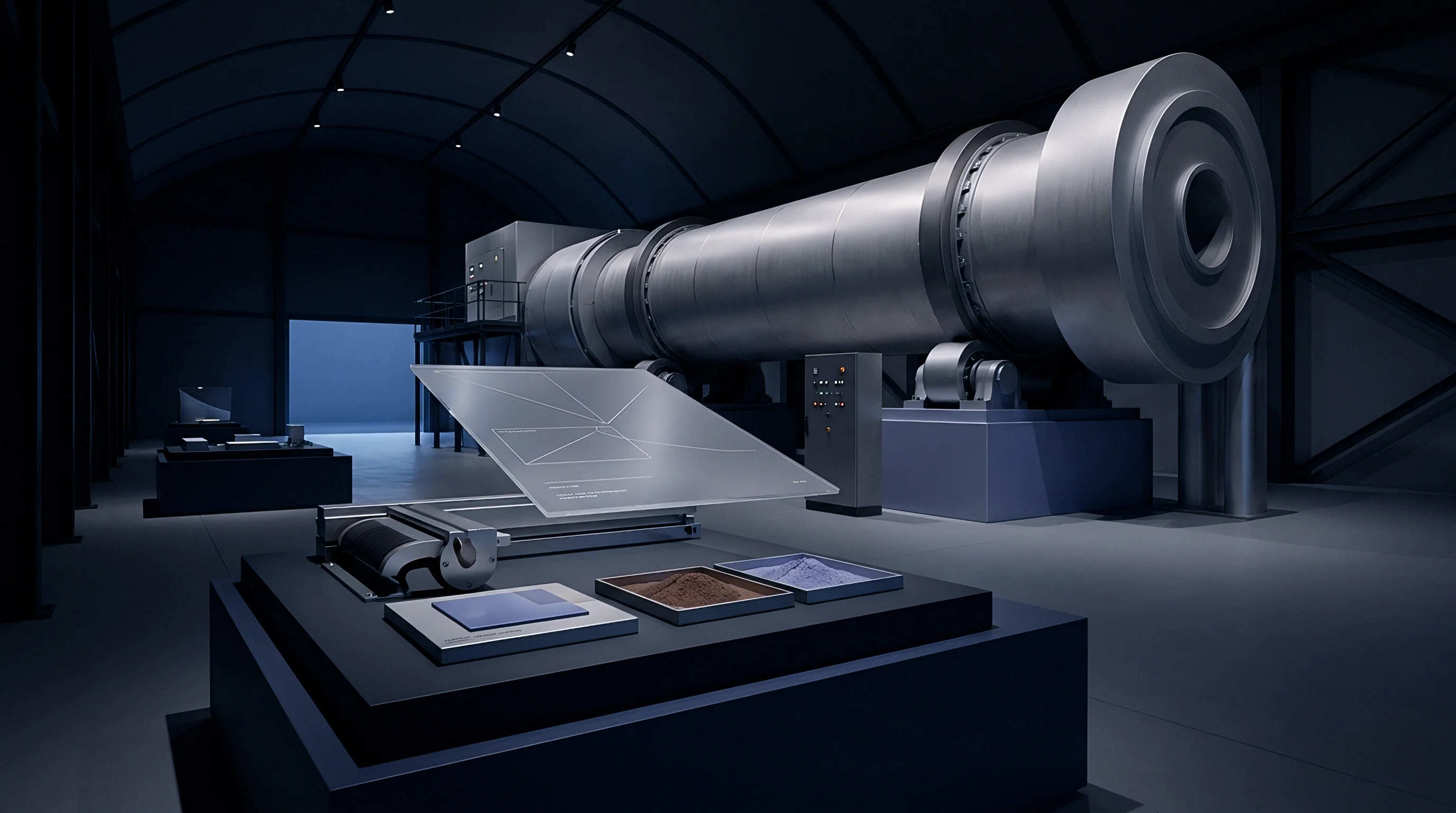
Thermal processing of active carbon precursors requires precise temperature control to eliminate moisture before crosslinking begins. Dehydration occurs across separate temperature windows corresponding to physically adsorbed water, capillary moisture, and chemisorbed hydroxyl groups. Drying schedules directly determine whether internal micropores survive or collapse before high-temperature carbonization.

Thermal Desorption Profiles
At atmospheric pressure, surface water evaporates between eighty and one hundred twenty degrees Celsius, while capillary moisture held inside biomass pores desorbs by one hundred eighty degrees Celsius. Evacuating this water requires gentle isothermal holds; sudden heating generates steam that fractures particle walls, while a continuous nitrogen sweep carries off the vapor.
Releasing chemisorbed moisture takes higher energy, occurring between two hundred and four hundred fifty degrees Celsius as hydroxyl and carboxyl groups break down into steam, carbon dioxide, and carbon monoxide. Heating too quickly through this window generates intense internal gas pressure, bursting closed micropores into broader macropores and degrading volumetric energy density.
Under standard procurement terms for active materials, precursor shipments exceeding two hundred parts per million water content trigger mandatory low-temperature vacuum drying prior to high-temperature carbonization.
Volatile Extraction and Gas Purge Rates
Maintaining a low water vapor partial pressure above the precursor bed requires steady inert gas circulation. Nitrogen or argon flows through the reaction tube at rates scaled to the precursor mass. If moisture accumulates at elevated temperatures, steam gasification erodes the carbon pore walls, leaving high surface area defects in the matrix.
Calcination schedules rely on staged ramp rates to manage outgassing. Keeping heating rates below three degrees Celsius per minute avoids thermal shock and particle agglomeration. Intermediate temperature holds ensure thermal equilibrium throughout the bed, ensuring uniform moisture loss across both the outer edge and the core of the batch.
- Preheat kiln chamber to one hundred twenty degrees Celsius under a ten mbar vacuum for four hours to evacuate surface-adsorbed moisture.
- Ramp temperature at two degrees Celsius per minute to three hundred fifty degrees Celsius under dry nitrogen purge with a dew point below minus sixty degrees Celsius.
- Maintain isothermal hold at three hundred fifty degrees Celsius for three hours to allow chemisorbed hydroxyl decomposition without particle structural fracture.
- Escalate heating rate to five degrees Celsius per minute up to final carbonization temperature while monitoring exhaust gas moisture levels via inline mass spectrometry.
Failing to drive off chemisorbed hydroxyls before high-temperature carbonization causes uncontrolled pore collapse, cutting cell plateau capacity and dragging initial coulombic efficiency below commercial specs.
Structure
How sodium ions store within non-graphitizable carbon depends on the arrangement of its graphene layers. Microstructurally, hard carbon combines short-range aromatic ordering with long-range lattice disorder. Storage occurs in two distinct environments: defect sites and curved graphene sheets that produce sloping voltage capacity, and closed interlayer voids that provide flat plateau capacity near zero volts relative to sodium.
Turbostratic Domain Alignment
Heat treatment between one thousand and fourteen hundred degrees Celsius controls how small graphene fragments stack. The interlayer spacing, denoted as d-zero-zero-two, contracts as temperature rises. Reversible sodium intercalation requires a spacing above zero point three seven nanometers; tighter spacing hinders insertion because sodium ions are significantly larger than lithium ions.
Overheating compresses the d-zero-zero-two spacing toward zero point three three five nanometers, turning the material graphitic. Graphitic regions are prone to solvent co-intercalation, causing layer exfoliation and destroying the anode. Capping the peak calcination temperature preserves the disordered domain boundaries required to handle repeated sodium insertion without structural breakdown.
Closed pores store sodium through multi-layer cluster formation during the low-voltage plateau region.
Pore Architecture and Capacity Partitioning
Internal voids depend on crosslinking density and dehydration intensity. Closed pores between zero point eight and one point five nanometers in diameter accommodate quasi-metallic sodium clusters. Open surface pores, by contrast, permit liquid electrolyte penetration, generating an extensive solid electrolyte interphase that ties up active sodium during the initial charge.
Pyrolysis dictates the balance between sloping and plateau capacity. Lower temperatures retain defects and heteroatoms, boosting high-voltage sloping capacity but sacrificing initial coulombic efficiency. Higher temperatures strip surface functional groups and coalesce small voids into closed pores, shifting capacity from the sloping region into the low-voltage plateau.
| Calcination Temperature (°C) | Interlayer Spacing d002 (nm) | BET Surface Area (m²/g) | Initial Coulombic Efficiency (%) | Plateau Capacity (mAh/g) | Sloping Capacity (mAh/g) |
|---|---|---|---|---|---|
| 1000 | 0.388 | 14.5 | 76.2 | 85 | 195 |
| 1200 | 0.376 | 2.4 | 87.4 | 190 | 120 |
| 1300 | 0.371 | 1.8 | 89.1 | 215 | 95 |
| 1400 | 0.364 | 1.2 | 91.5 | 140 | 75 |
Higher carbonization temperatures expand closed pore volume at the expense of interlayer spacing, shifting capacity from the high-voltage sloping region into the low-voltage plateau.
Inspection
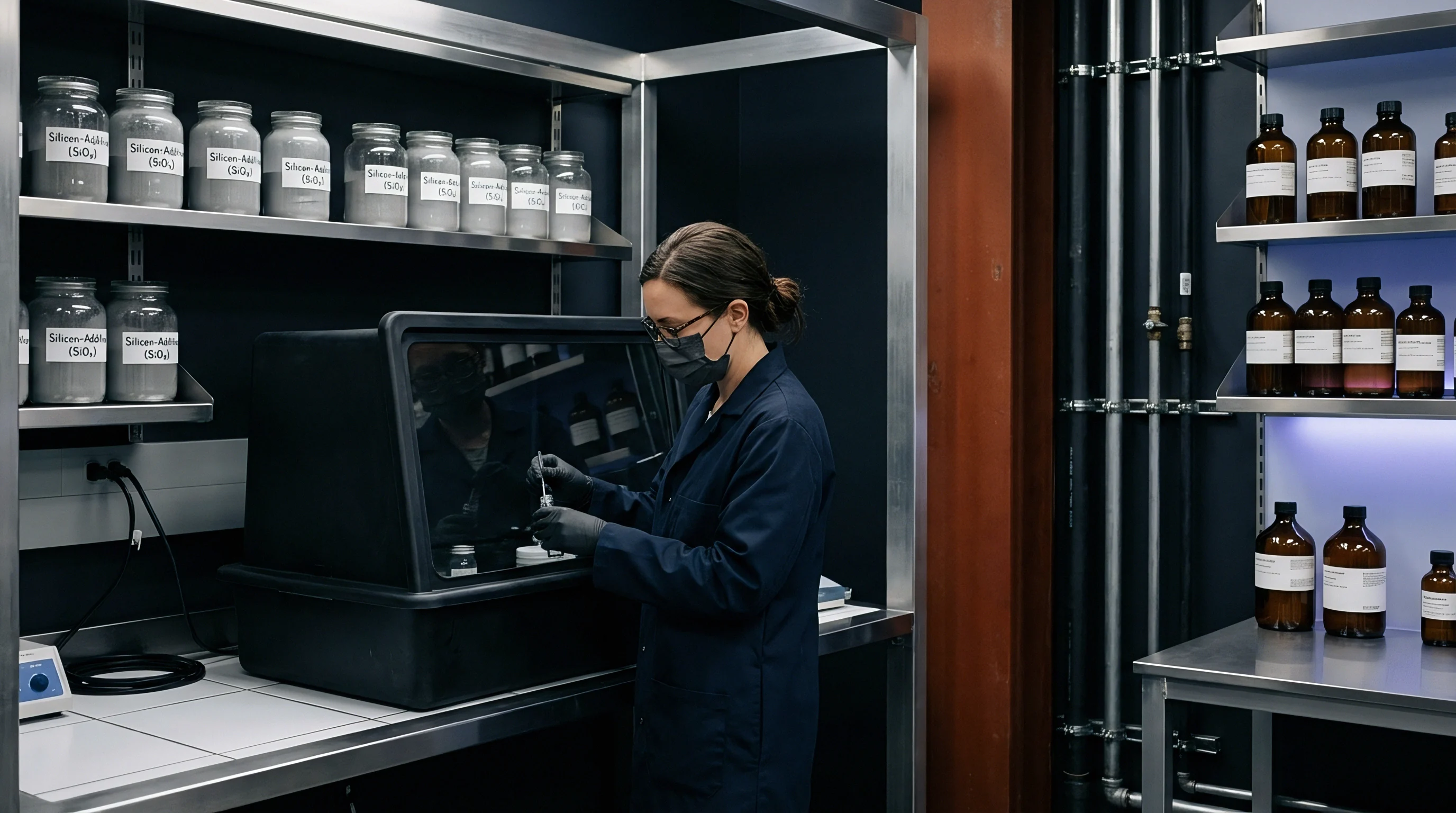
Quality control checks measure both physically adsorbed water and bound hydroxyl groups before raw lots enter high-temperature kilns. Screening out damp precursors prevents downstream processing issues. Standard powder characterization protocols evaluate weight loss, surface area, particle size distribution, and domain dimensions before making electrode slurry.
Where Does Residual Moisture Accelerate Electrolyte Breakdown?
Water trapped in the carbon lattice reacts with hexafluorophosphate salts in the electrolyte, yielding hydrofluoric acid and sodium fluoride precipitate. Hydrofluoric acid corrodes the cathode current collector and leaches transition metals, which then migrate to the hard carbon anode and degrade the solid electrolyte interphase.
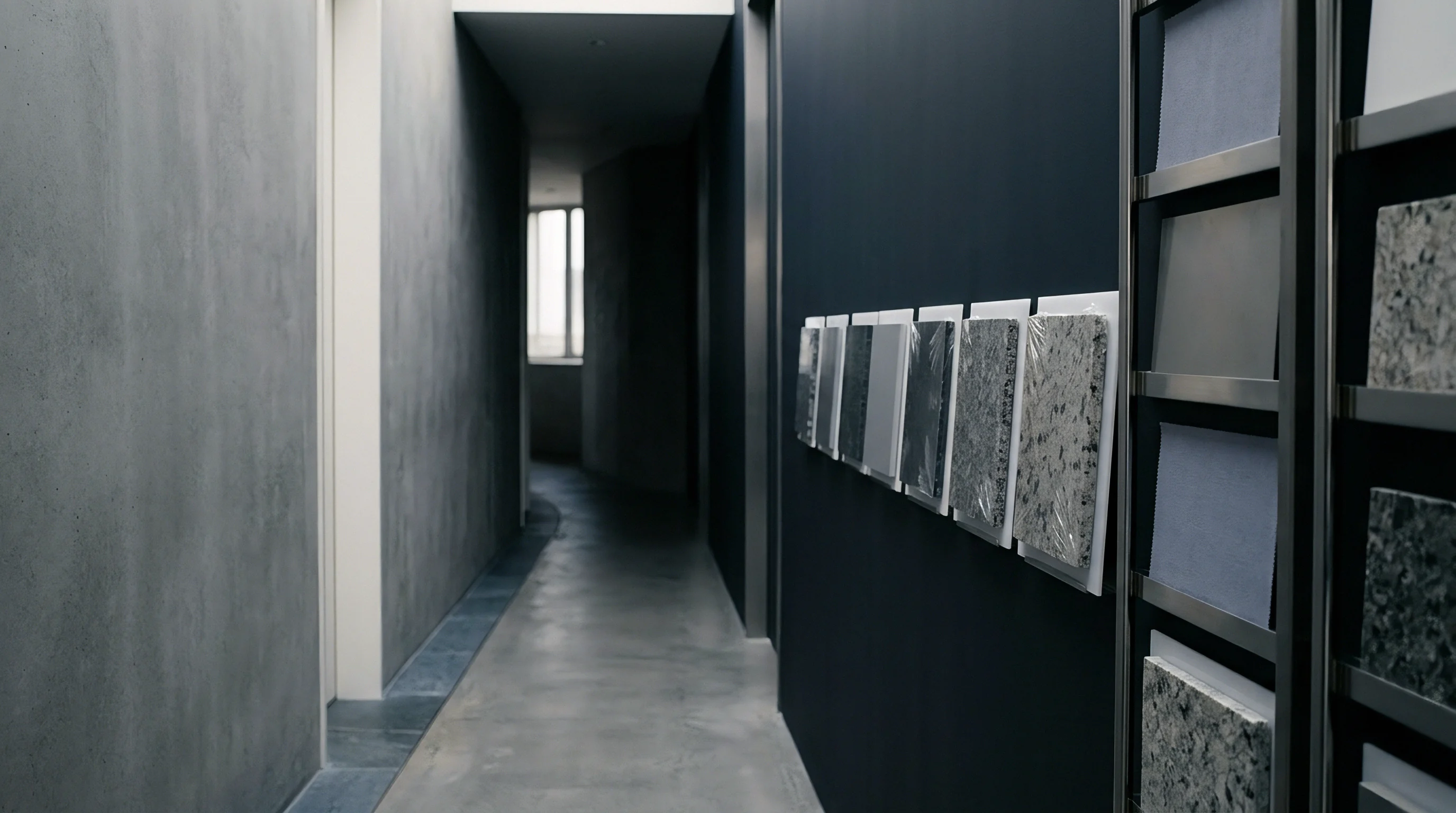
Exposed hard carbon rapidly absorbs ambient moisture because of residual surface oxygen groups. Keeping water levels low during storage and transport requires dry rooms with dew points below minus forty degrees Celsius. Powder must be sealed in aluminum-laminated bags under dry argon before mixing.
Active hard carbon calcined at twelve hundred degrees Celsius under dry argon displays a specific surface area of two point four square meters per gram and an initial coulombic efficiency of eighty-seven percent.
Analytical Verification of Bound Hydroxyls
Thermogravimetric analysis paired with mass spectrometry pinpoints when volatiles escape. Curves plot percentage mass loss against temperature while mass spectrometry tracks ion signals for water, carbon dioxide, and hydrocarbon fragments. Weight loss between two hundred and four hundred degrees Celsius correlates directly with the concentration of bound hydroxyls.
Karl Fischer titration determines total moisture in carbon powders. Volumetric titration works for damp precursors, while coulometric titration with an oven evaporator measures dry carbon down to parts-per-million levels. X-ray diffraction checks for localized graphitic peaks, verifying that d-zero-zero-two interlayer spacing remains above zero point three seven nanometers.
- Total Water Content must measure below one hundred fifty parts per million via coulometric Karl Fischer titration at two hundred degrees Celsius vaporization temperature.
- Specific BET Surface Area must remain under three point zero square meters per gram using nitrogen gas adsorption to guarantee initial coulombic efficiency above eighty-five percent.
- Interlayer Lattice Spacing must maintain a minimum d-zero-zero-two value of zero point three seven zero nanometers calculated via Bragg’s law from X-ray diffraction patterns.
- Tap Density Threshold must exceed zero point eight five grams per cubic centimeter to ensure high volumetric packing efficiency inside pouch cell formats.
How trace nitrogen dopants stabilize closed pore walls against sodium dendrite formation during fast charging remains under active investigation.


Contract
Supply agreements for precursor materials tie technical specifications directly to yield metrics. Contracts enforce strict moisture and ash limits, backed by clear financial penalties for non-compliant shipments. Detailed acceptance testing is performed at receiving docks before incoming lots enter the production line.

Commercial Quality Clauses
Contracts establish baselines for carbon yield, moisture content, and trace metal limits. Shipments exceeding moisture thresholds incur energy surcharges to cover the cost of extended drying and reduced kiln throughput.
Purchase agreements enforce strict lot-to-lot consistency. Precursors that fail surface area targets after standard calcination face full-lot rejection, requiring the supplier to replace the material and cover all international freight and customs fees.
Landed Cost and Yield Arithmetic
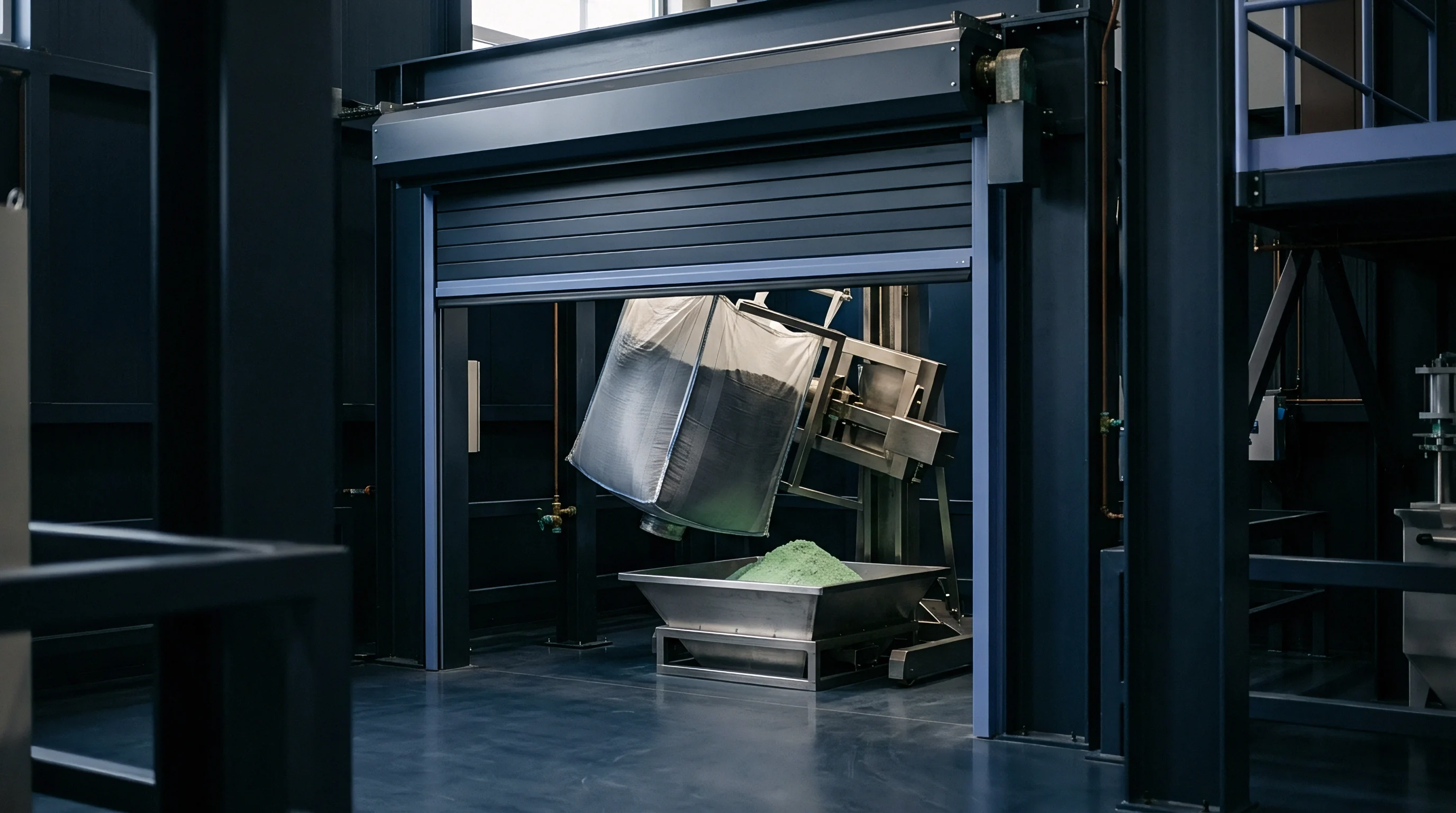
Evaluating material options requires weighing purchase price against pretreatment, energy requirements, and final yield. Consider a forty-metric-ton lot of coconut shell biomass bought at one dollar and eighty cents per kilogram. It carries twelve percent moisture and requires acid washing at forty cents per kilogram.
With a thirty percent calcination yield by weight, the effective raw material cost comes to seven dollars and thirty-three cents per kilogram before kiln operating expenses.
By comparison, a pre-dehydrated synthetic phenolic resin costs eight dollars and fifty cents per kilogram. Carrying zero point five percent moisture, it needs no acid washing and yields fifty-four percent carbon after calcination, bringing the effective material cost to fifteen dollars and eighty-three cents per kilogram. Though resin requires more upfront capital, it eliminates effluent treatment and provides three percent higher initial coulombic efficiency in finished cells.
- Moisture Content Penalties reduce invoice payments by two percent for every one percent of raw precursor water content exceeding the baseline threshold.
- Ash Content Thresholds reject shipments exceeding zero point five weight percent total inorganic ash after hydro-chemical leaching.
- Volatile Yield Commitments obligate the supplier to cover calcination energy overhead if carbon yield falls below thirty-two percent by mass.
- Packaging Integrity Warranties require hermetically sealed aluminum foil container bags carrying dry nitrogen blanketing at positive pressure.
Specifying maximum allowable oxygen loss during pre-carbonization protects the buyer, shifting the risk of transit degradation back to the supplier.