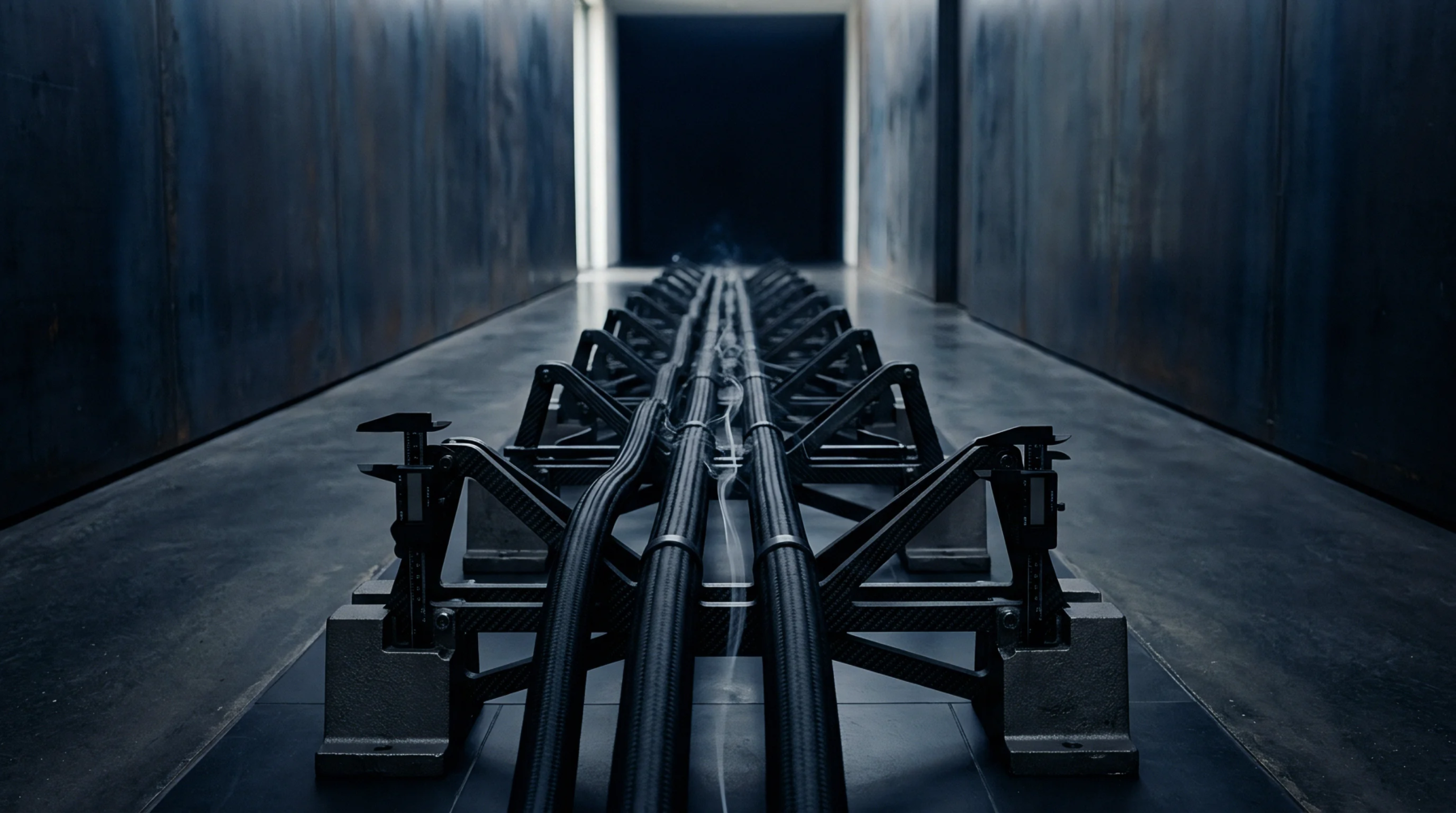
Electrochemical Corrosion Kinetics at Dissimilar Conductor Interfaces
Dissimilar conductor interface kinetics demand barrier electroplating and perimeter seals to restrict moisture ingress and prevent joint resistance growth.
Dissimilar conductor interface kinetics demand barrier electroplating and perimeter seals to restrict moisture ingress and prevent joint resistance growth.
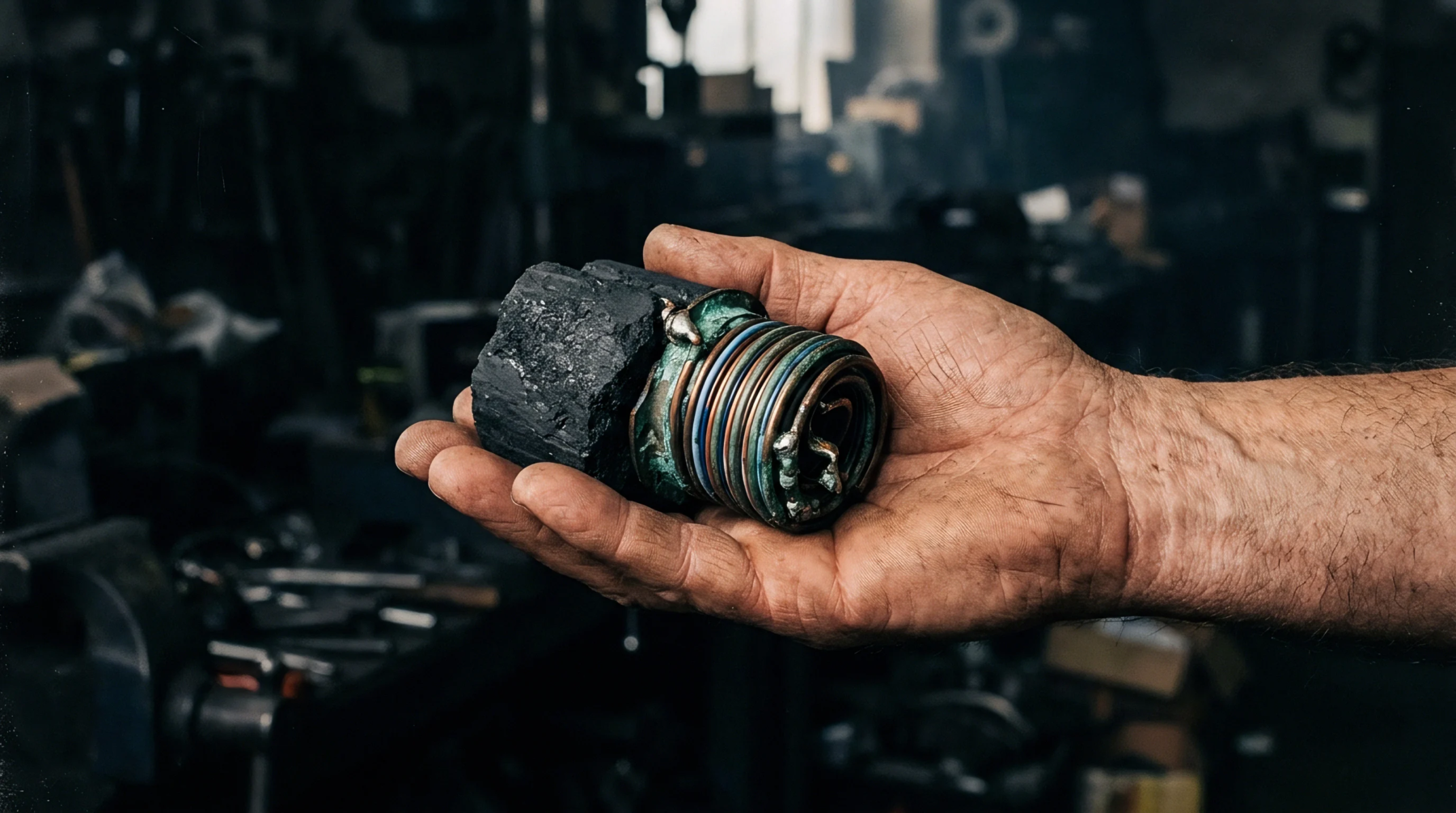
Sacrificial sodium preloading compensates hard carbon initial capacity loss, lowering desolvation resistance when inorganic sodium fluoride inner films dominate.

Subzero charge drives graphite surface potential below 0V vs Li/Li+, causing metallic lithium plating that demands temperature-compensated derating.

Low temperature battery testing requires rigorous cold soak protocols, four-wire Kelvin sensing, and impedance analysis to ground supplier performance claims.
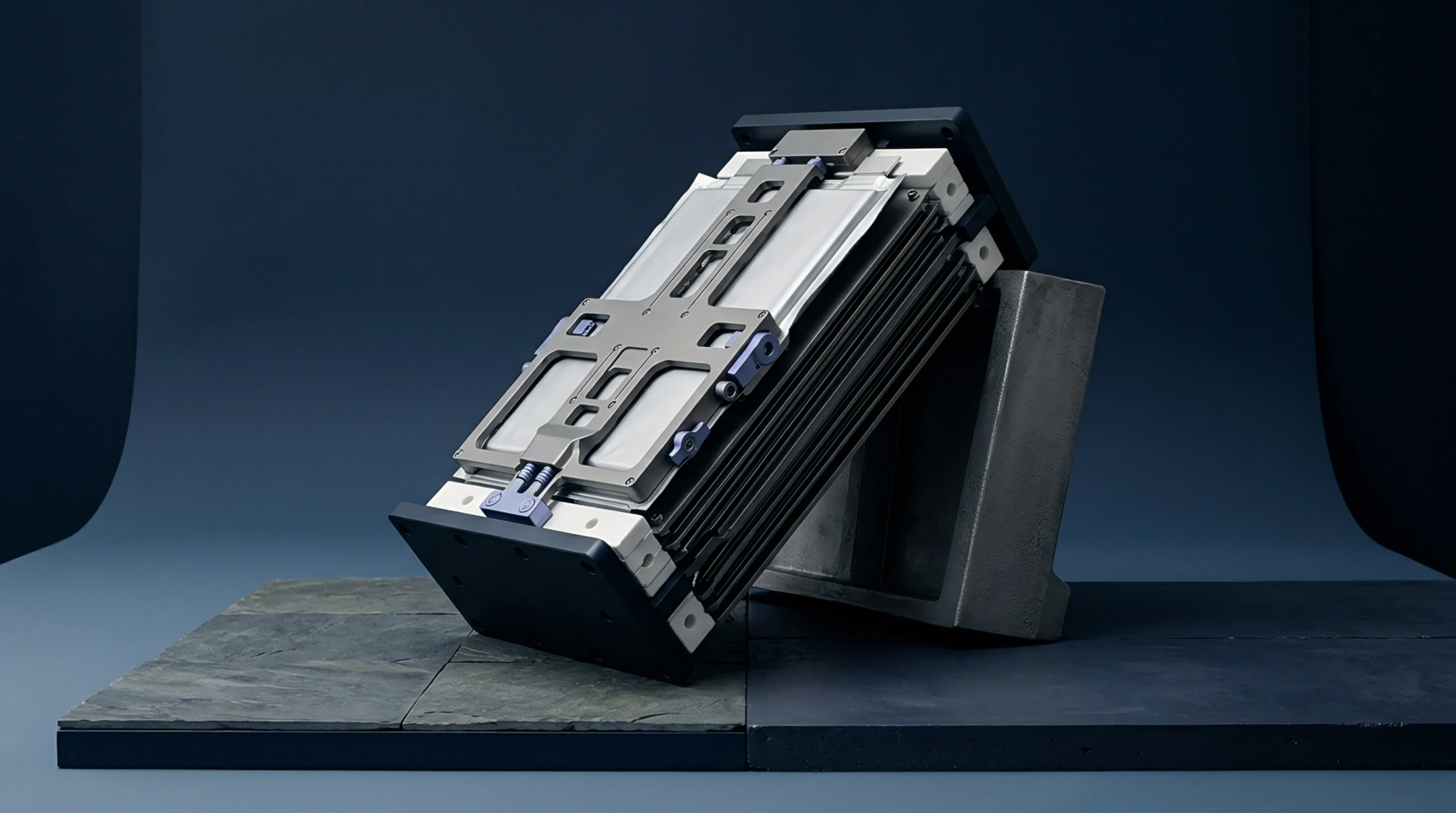
Optimal static compression between 200 and 400 kPa maximizes prismatic cell cycle life by preventing delamination while avoiding separator pore collapse.
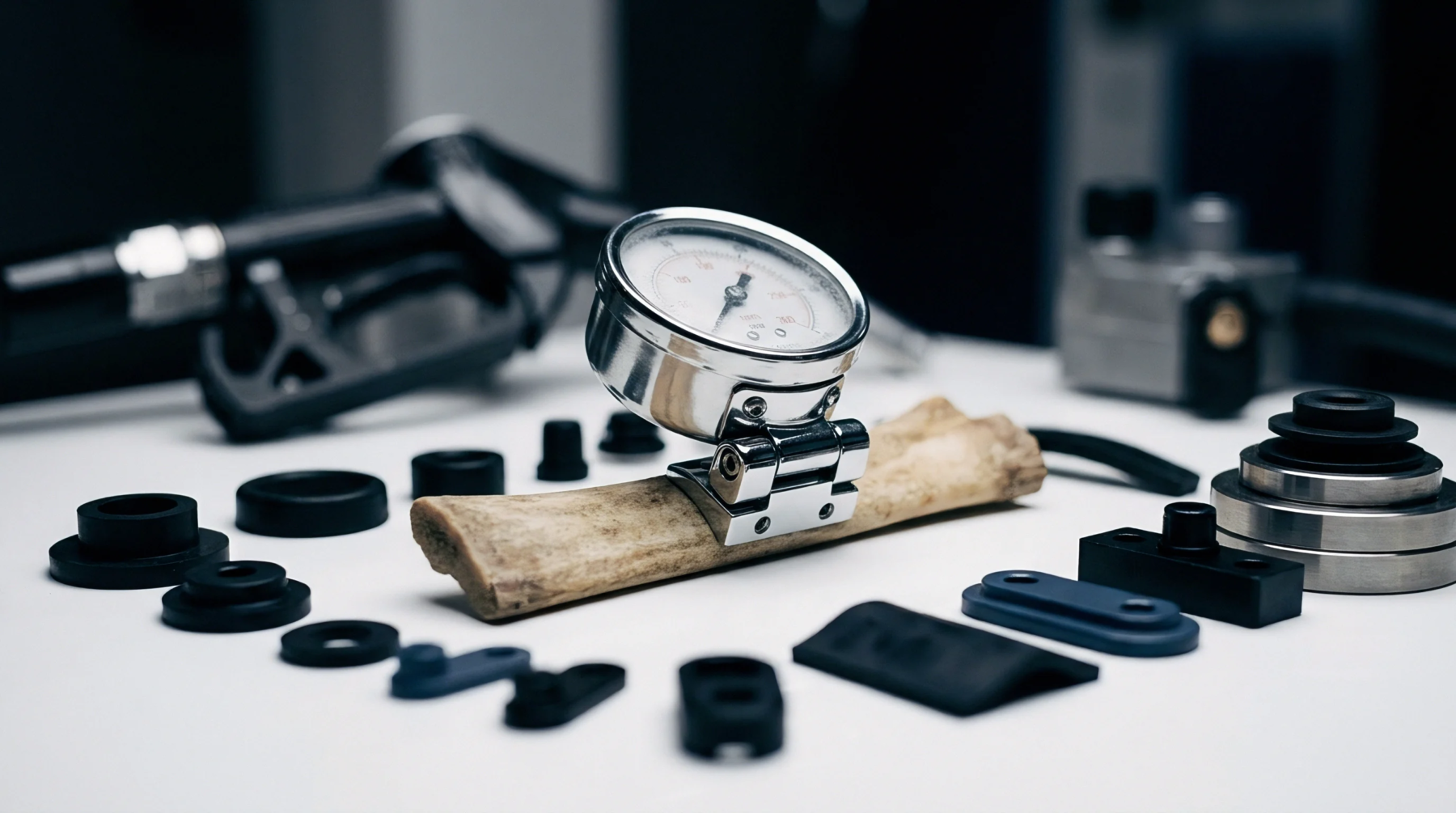
LFP OCV relaxation requires multi-hour decay modeling and hysteresis tracking to prevent large SOC estimation errors across the flat voltage plateau.

Early lithium cell resistance rise stems from passive layer growth and cathode microcracking, shifting procurement risk to initial DCIR specifications.
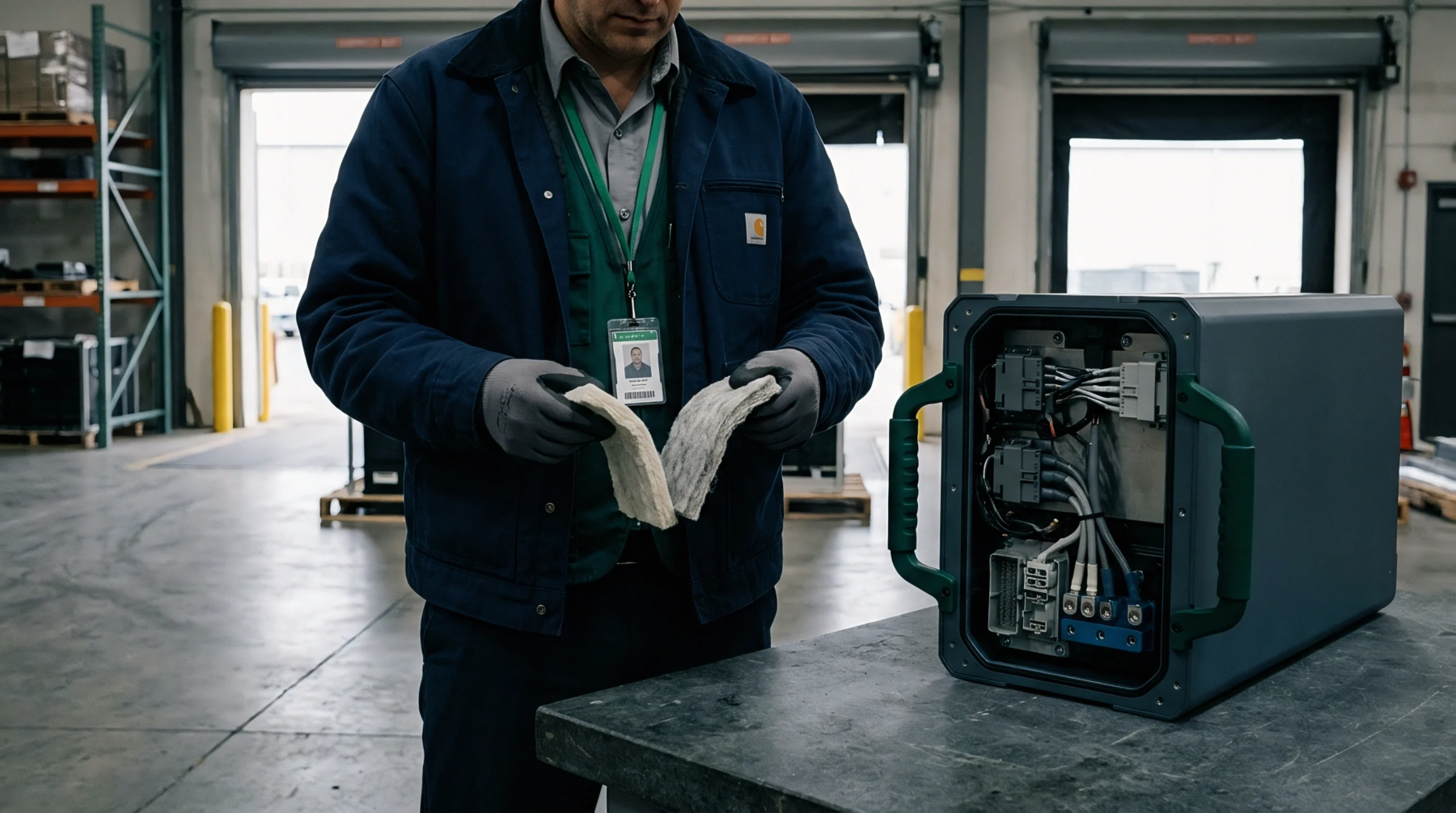
Unrelaxed solid-phase lithium concentration gradients skew surface OCV lookups, introducing severe SOC errors that demand dynamic diffusion observers to prevent premature cutoff.
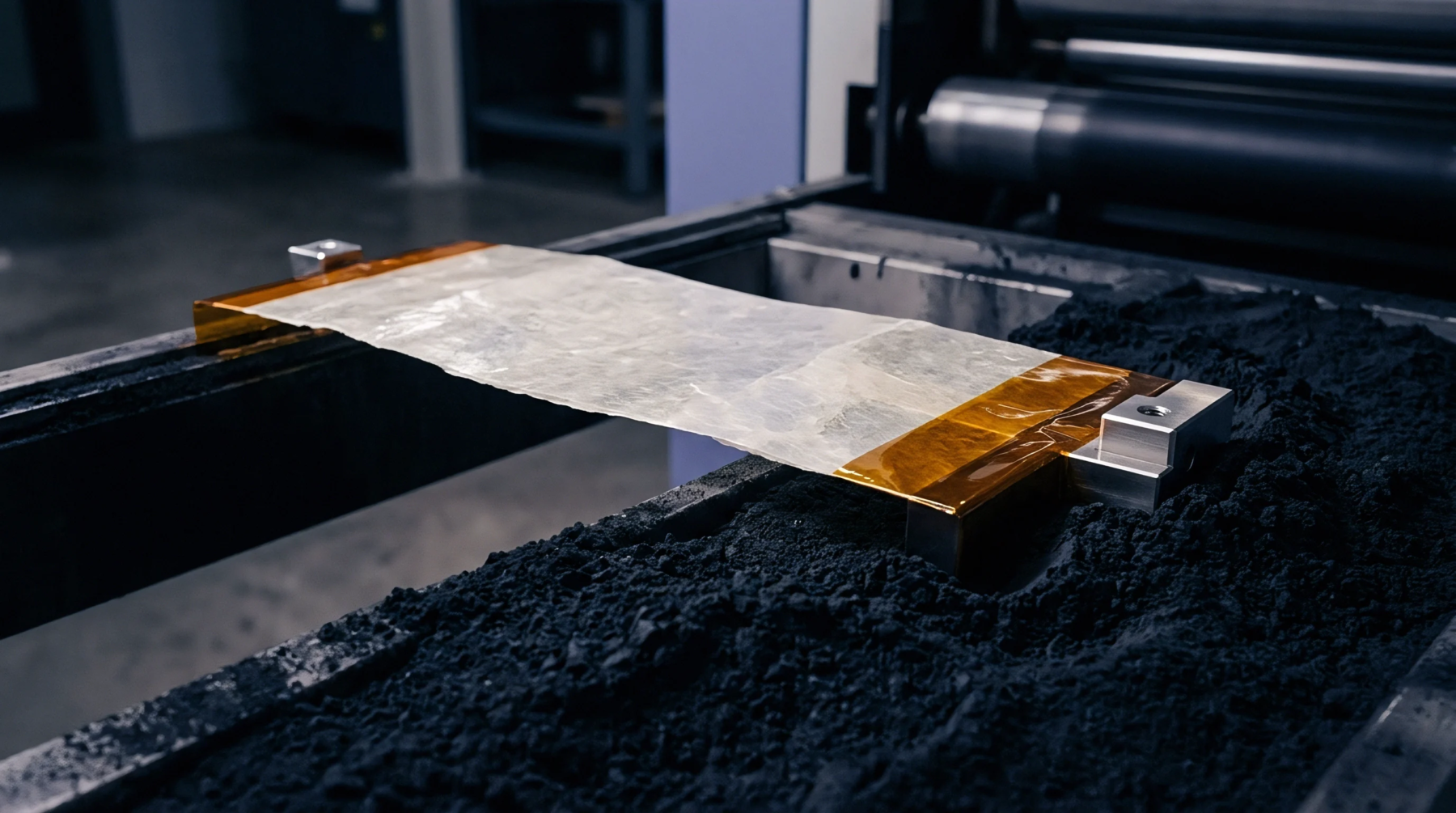
Voltage relaxation transients distort open circuit measurements causing state of charge errors exceeding twelve percent without persistent diffusion modeling.
Local intercalation overpotentials in large format cells force anode potentials below 0V vs Li/Li+, causing lithium plating long before terminal voltage limits.
Microstructural separator pore collapse and gas evolution during pouch cell storage exponentially increase internal impedance and drive irreversible capacity scrap rates
Expertise is a utility, not a secret. sentiention™ publishes its working knowledge as open reference: intelligence layer covering the materials it sources, the markets it enters, and the reference that serves both.