Meaning
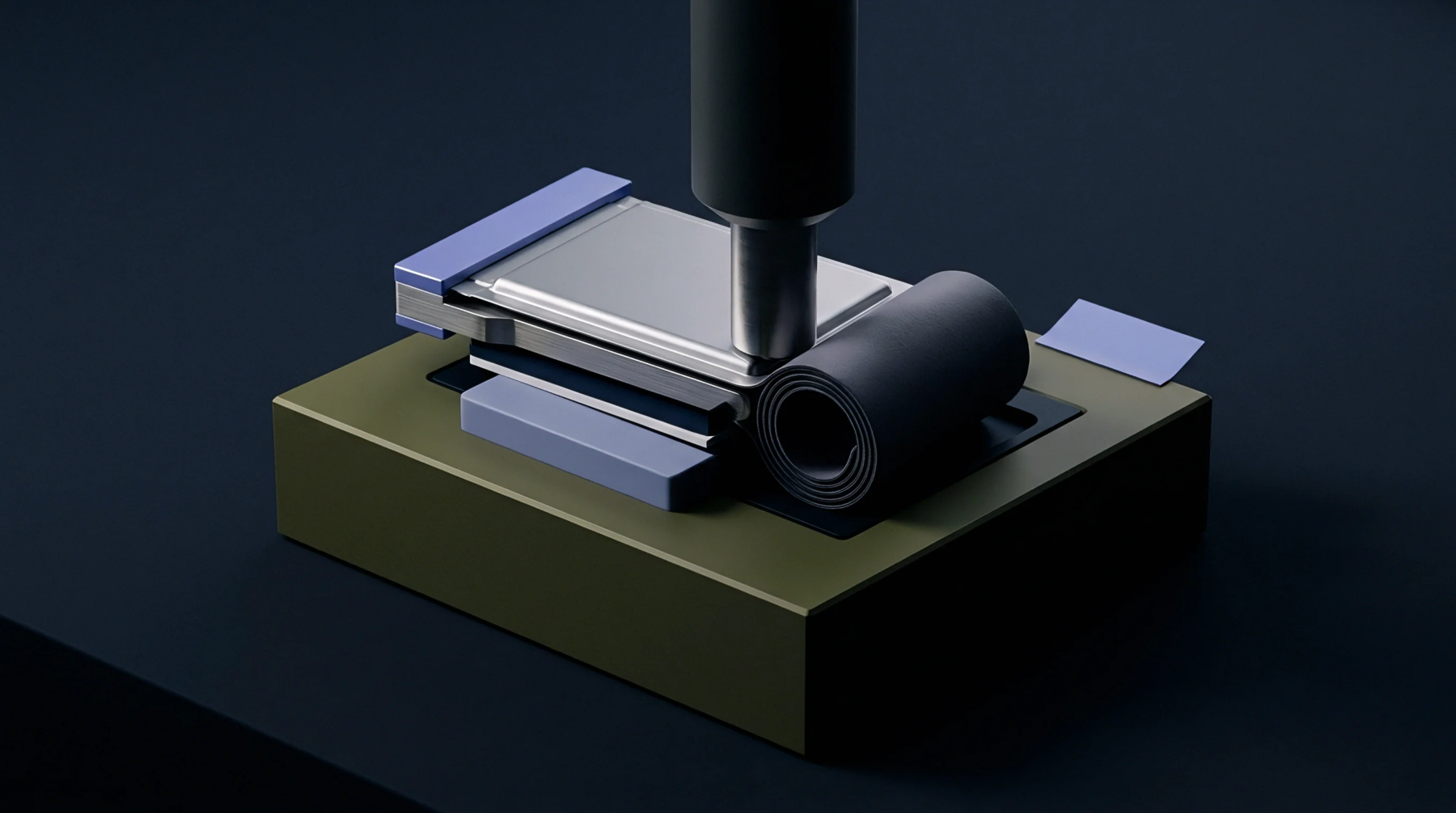
Unwanted entry of water or water vapor into a sealed enclosure can lead to the degradation of sensitive internal components. Moisture ingress is a primary failure mode for battery systems because it creates conductive paths that lead to short circuits and chemical corrosion. Even small amounts of humidity can react with the electrolyte if a cell seal is compromised, leading to the production of hydrofluoric acid.
Leak Pathway
Microscopic cracks in the housing or degraded gaskets provide the entry points for environmental humidity. While a pack might pass a liquid spray test, moisture ingress can still occur over time through the process of diffusion. This is particularly problematic in humid environments where the partial pressure of water vapor is high.
Corrosion Effect
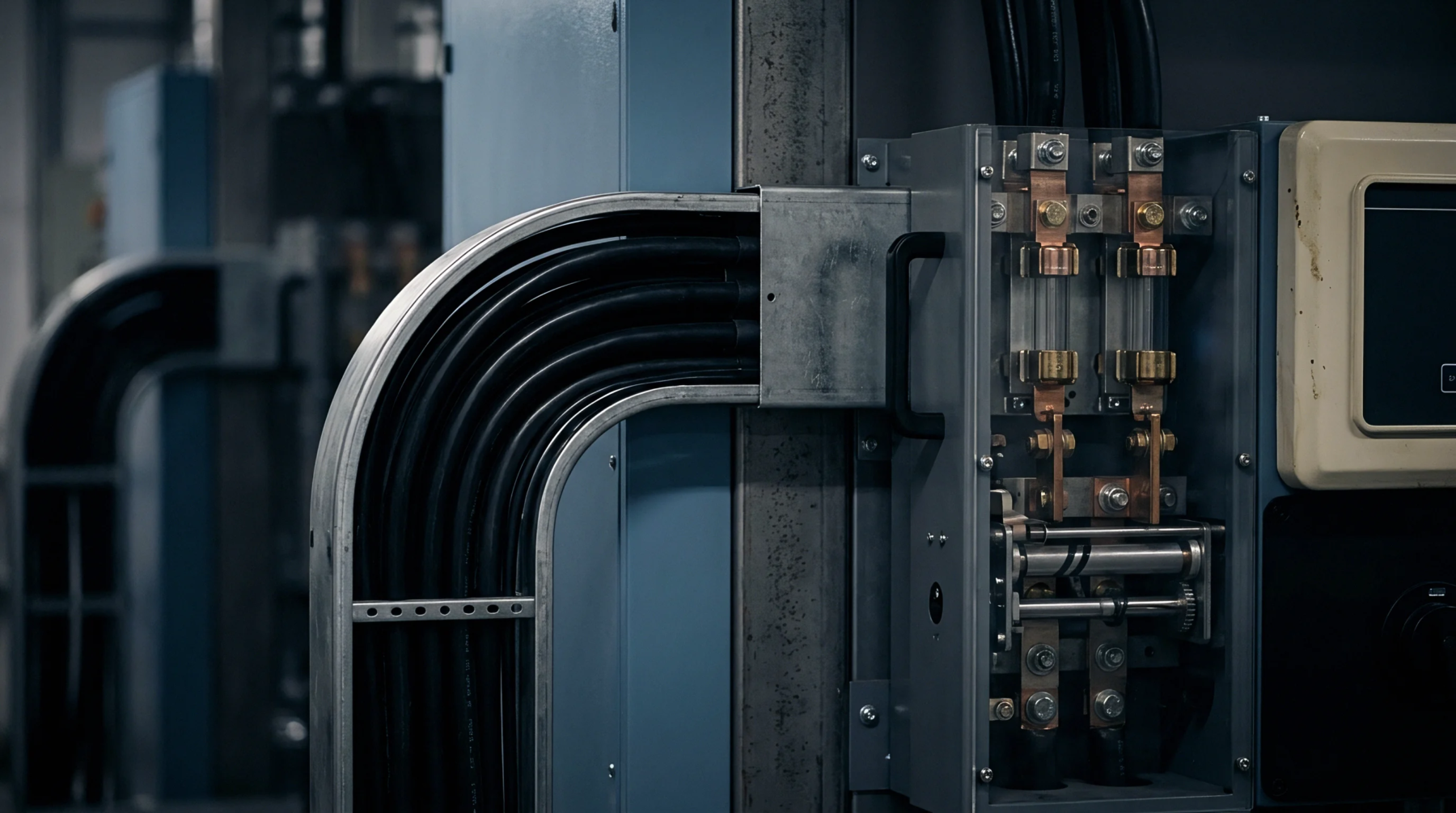
Metal surfaces within the battery begin to oxidize when they are exposed to damp air and electricity. The presence of moisture ingress accelerates the growth of dendrites on the circuit boards and the pitting of the aluminum busbars. This damage reduces the efficiency of the electrical connections and can eventually lead to a complete system shutdown.
Detection Method
Sensors are often placed inside the enclosure to alert the battery management system of any leaks. To prevent the worst effects of moisture ingress, these monitors check for a drop in insulation resistance between the high voltage rails and the chassis. Early detection allows the vehicle to be serviced before the water causes a dangerous thermal event or permanent damage to the expensive cell modules.
Software algorithms can also detect the presence of humidity by analyzing the leakage current, providing an extra layer of protection against environmental failure.