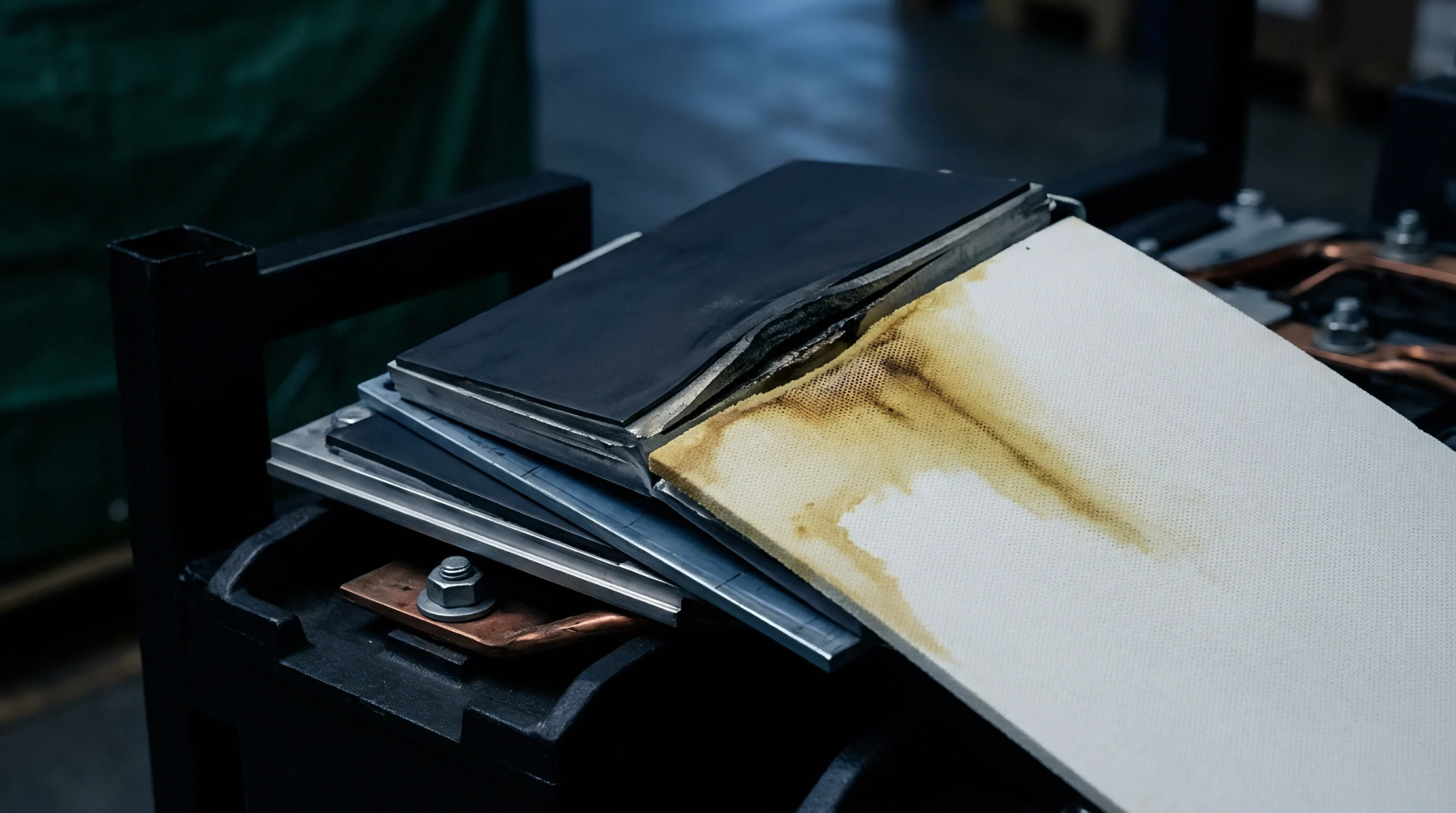
Modeling Subzero Pore Salt Depletion to Prevent Lithium Plating
Subzero charging starves graphite pore salt levels, forcing local anode potential below zero volts and triggering metallic lithium plating at the current collector.
Subzero charging starves graphite pore salt levels, forcing local anode potential below zero volts and triggering metallic lithium plating at the current collector.

Maintaining sulfide solid-state cell stack pressure between 3 and 8 MPa suppresses lithium voiding, requiring spring-compliant module packaging.
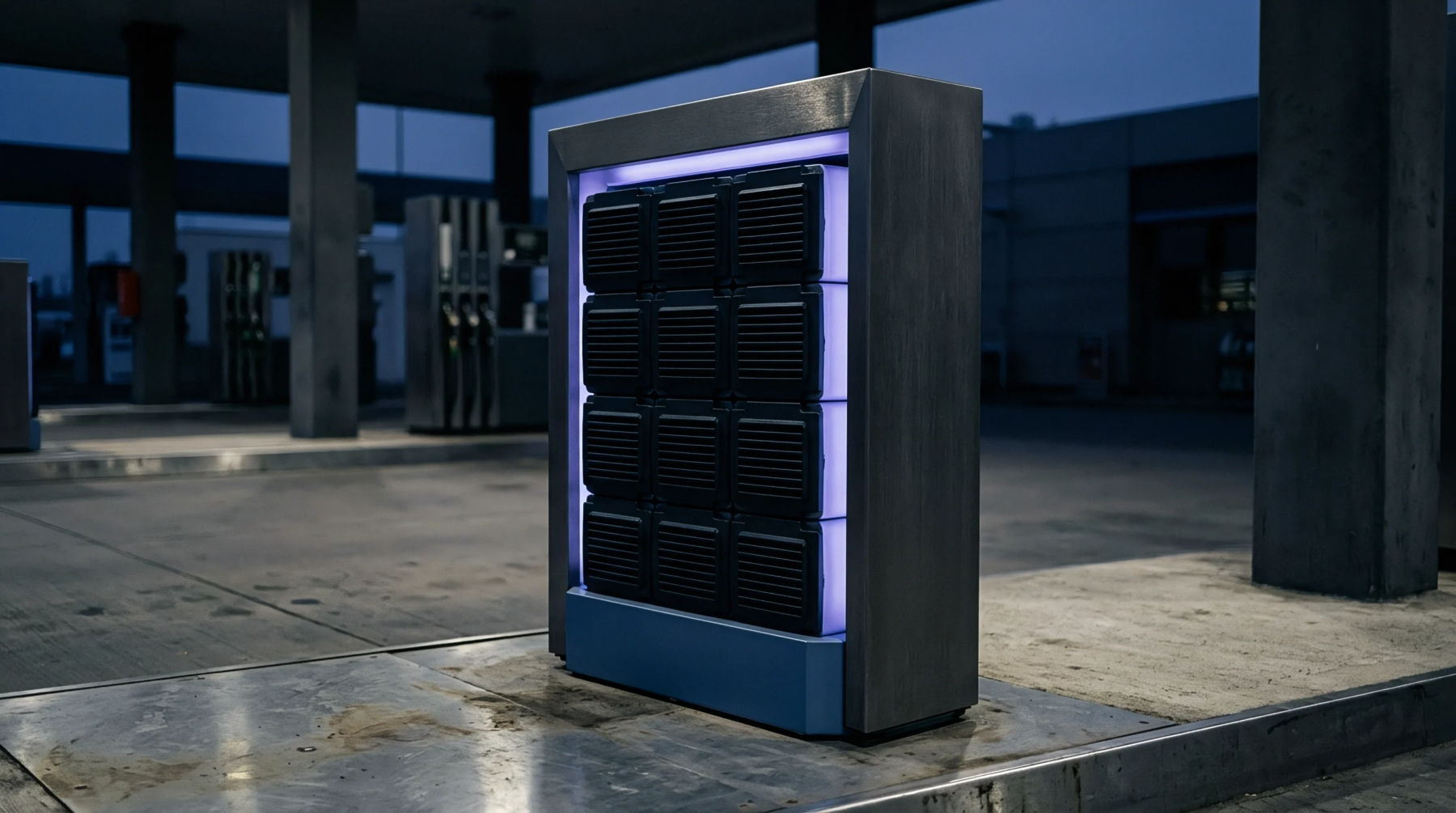
Sub-zero charging requires dynamic current derating below 0.05C at -20C to prevent local anode interface overpotential from crossing zero volts versus Li/Li+.
Voltage relaxation plateau tracking identifies metallic lithium stripping, separating reversible plating from chemical solid electrolyte consumption.
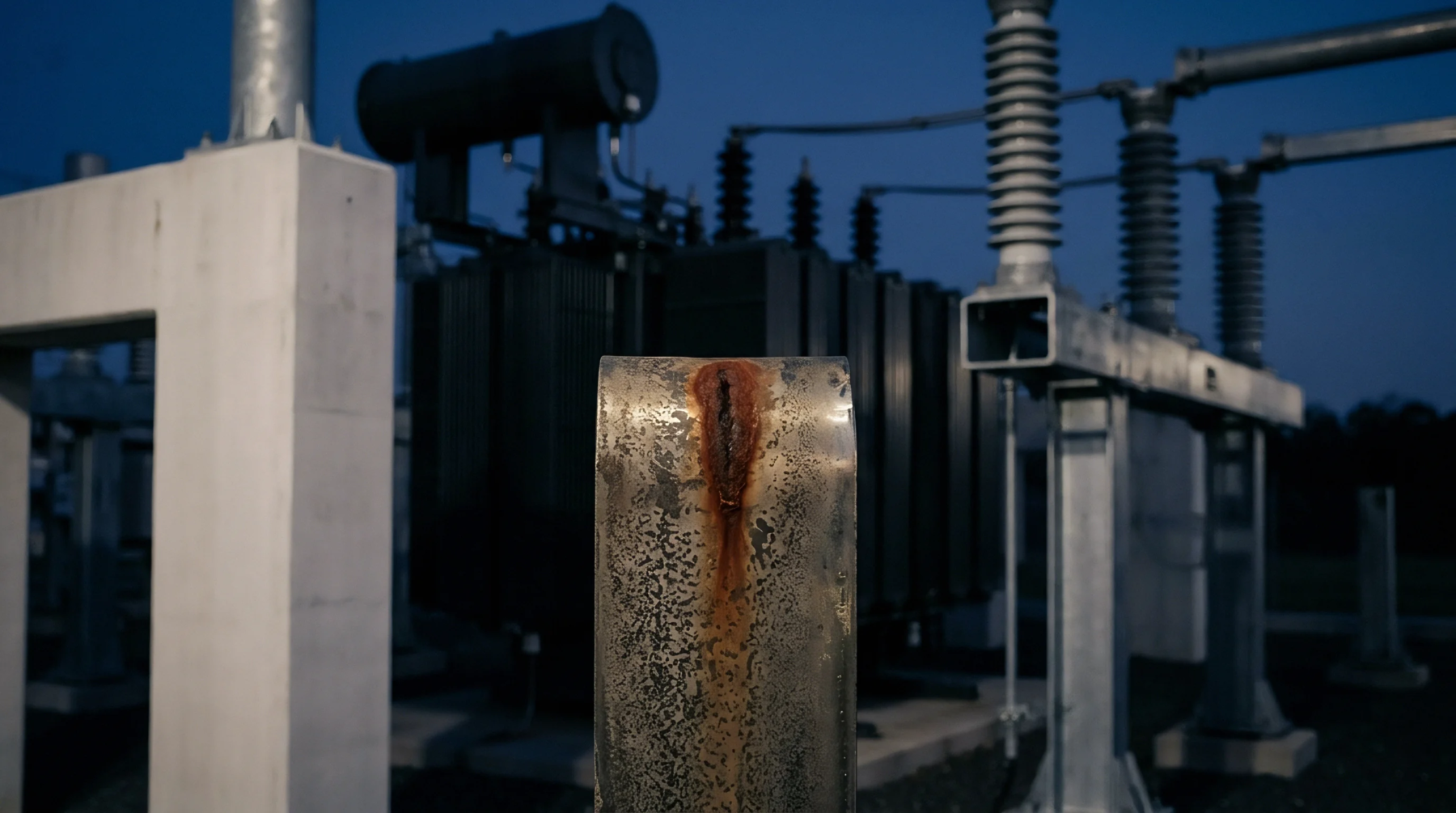
Operando acoustic resonance tracking detects sub-zero metallic lithium plating up to 150 cycles before electrical terminal voltage curves diverge.

Eliminating lithium plating in fast-charging silicon anodes requires reducing out-of-plane tortuosity and maintaining stack pressure between 0.3 and 0.8 MPa.

Sub-zero charging forces anode potentials below zero volts, causing metallic lithium plating that requires real-time telemetry and strict current derating.
Quantify lithium plating signals by isolating post-charge open-circuit voltage plateaus and integrating dQ/dV stripping peaks under isothermal thermal control.

Dynamic fast charging below zero degrees requires real-time overpotential feedback control to prevent lithium plating and maintain safety certification validity.
Expertise is a utility, not a secret. sentiention™ publishes its working knowledge as open reference: intelligence layer covering the materials it sources, the markets it enters, and the reference that serves both.