
Solvation Sheath Restructuring and Desolvation Kinetics in Subzero Cell Architectures
Subzero cell performance depends on lowering desolvation activation energy through modified solvation sheath chemistry to prevent low-temperature anode plating.
Subzero cell performance depends on lowering desolvation activation energy through modified solvation sheath chemistry to prevent low-temperature anode plating.

Dynamic current derating derived from localized salt diffusion kinetics prevents sub-zero lithium plating and costly field warranty failures.
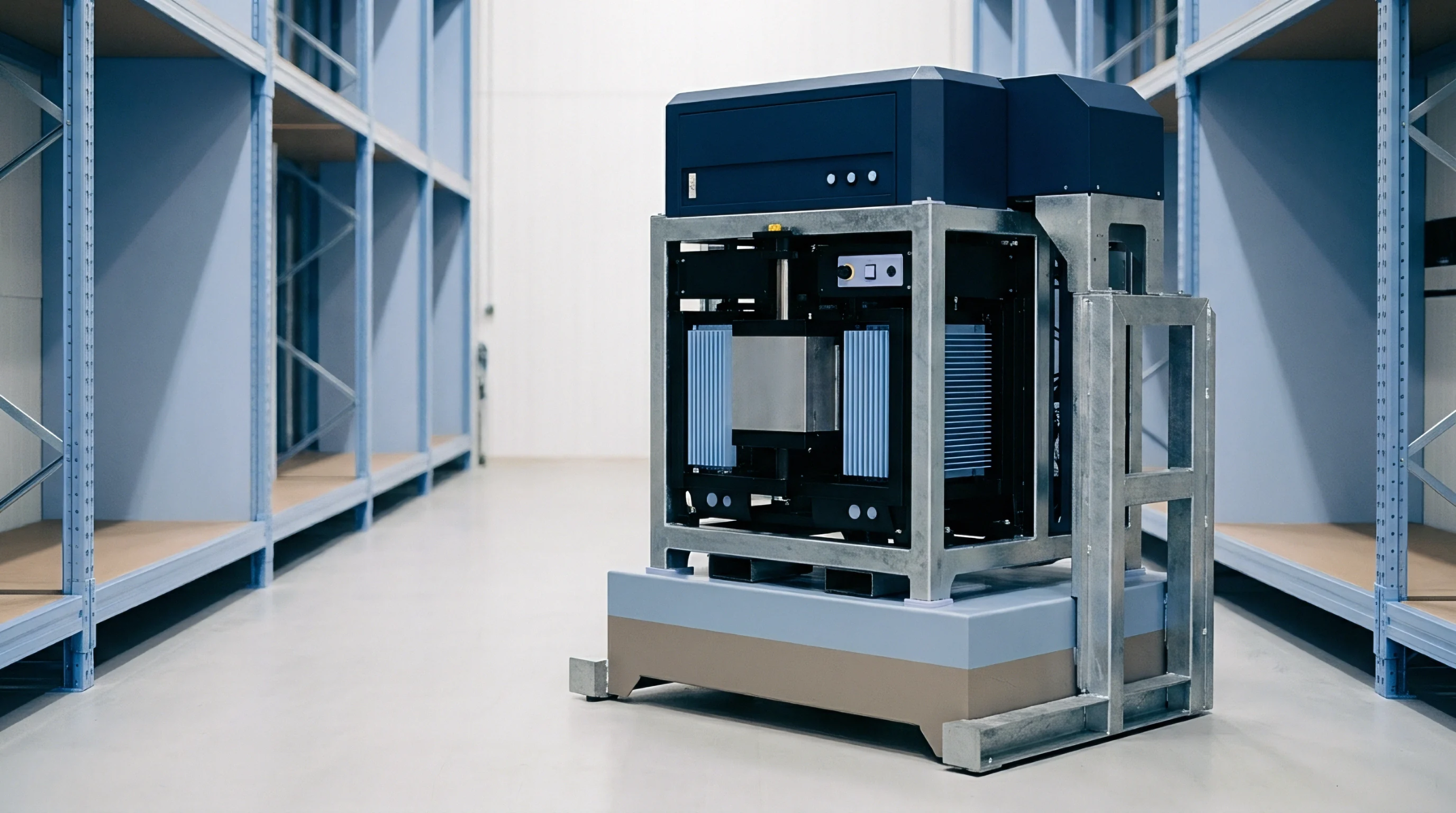
Quantifying high-voltage cathode interfacial impedance via DRT spectroscopy isolates charge-transfer growth to establish batch quality rejection limits.

Extended high voltage thermal abuse destabilizes cathode oxide crystal lattices; atomic layer coatings suppress phase transformation and maintain transport compliance.

Thermal storage above 45°C drives hydrofluoric acid attack on lithiated iron cathodes, causing iron dissolution and anode SEI degradation.

Quantify lithium plating signals by isolating post-charge open-circuit voltage plateaus and integrating dQ/dV stripping peaks under isothermal thermal control.

Electrolyte solvent headspace analysis detects micro-leaks down to 1E-8 mbar L/s by quantifying vaporized carbonate signatures from battery seal fissures.

Resolving subsurface oxygen vacancy kinetics requires stabilizing the cathode surface lattice to prevent impedance spikes, thermal hazards, and transport bans.

High temperature storage accelerates iron dissolution and anode migration in prismatic cells, causing self-discharge, SEI breakdown, and irreversible capacity loss.

Detect laboratory data smoothing and sensor decoupling by auditing raw ADC noise floors, checking residual autocorrelation, and parsing native cycler binary files.
Expertise is a utility, not a secret. sentiention™ publishes its working knowledge as open reference: intelligence layer covering the materials it sources, the markets it enters, and the reference that serves both.