Meaning
Electrochemical battery electrode deterioration processes describe the progressive loss of electrochemically active structures within a cell during cycling or storage. Under operational stress, active material degradation reduces the capacity of the cell by isolating electrochemically active sites and preventing lithium ion insertion. This deterioration occurs through several distinct mechanical and chemical pathways, depending on the chemistry and operating conditions of the cell.
Battery performance suffers as a direct consequence of these internal structural changes, which occur over extended periods of operation.
Structural Decay
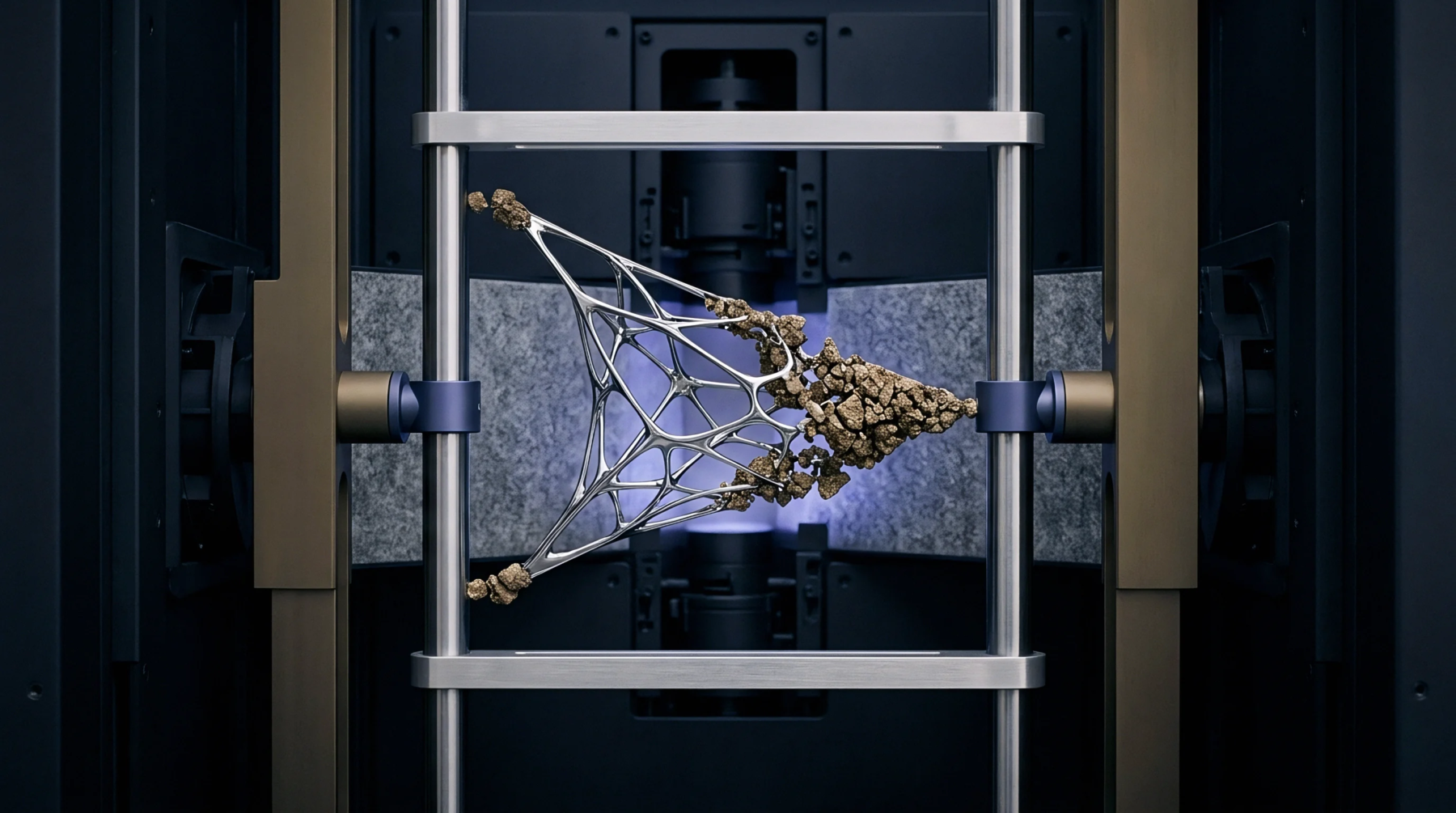
Microscopic cracking of electrode particles represents a primary mechanical pathway for this loss of function. During the lithium insertion and extraction cycles, the material undergoes repeated volume expansion and contraction. This cyclic mechanical stress causes microcracks, which sever the electrical contact between the active particles and the conductive carbon network.
As a result, the isolated material can no longer participate in the electrochemical reactions, leading to a permanent reduction in the energy density of the battery. The mechanical instability is particularly severe in high nickel cathodes, where the volume changes are more pronounced during rapid charging and discharging cycles.
Chemical Reactions
Parasitic chemical reactions at the electrode interface further accelerate the degradation process. The interaction between the electrolyte and the active material often forms resistive layers that consume active lithium. Over time, these surface reactions lead to the dissolution of transition metals from the cathode, which then migrate to the anode and disrupt the solid electrolyte interphase.
This chain of chemical events increases the internal resistance of the cell and reduces its rate capability. The degradation of the active materials is also influenced by the presence of trace moisture in the electrolyte, which can generate corrosive acids that attack the electrode structures.
Physical Limits
Operational boundary conditions of the cell, such as temperature extremes and high discharge rates, dictate the rate of this structural decay. High operating temperatures accelerate chemical degradation pathways, whereas rapid charging promotes mechanical fracturing. Sourcing decisions for energy storage systems must account for these degradation rates to ensure that the selected cell chemistry matches the expected thermal and cycling profile of the target application.
Manufacturers use protective coatings and dopants to enhance the structural stability of the active materials, thereby extending the overall cycle life of the battery cells in demanding industrial environments.