Meaning
Multi-layered barrier packaging material prevents moisture ingress and electrolyte leakage in pouch-type lithium-ion batteries. In these energy storage units, aluminum laminate film provides the external pouch structure that isolates the active materials from the environment. The material must withstand chemical attack from the organic solvents and hydrofluoric acid present within the cell.
Material Structure
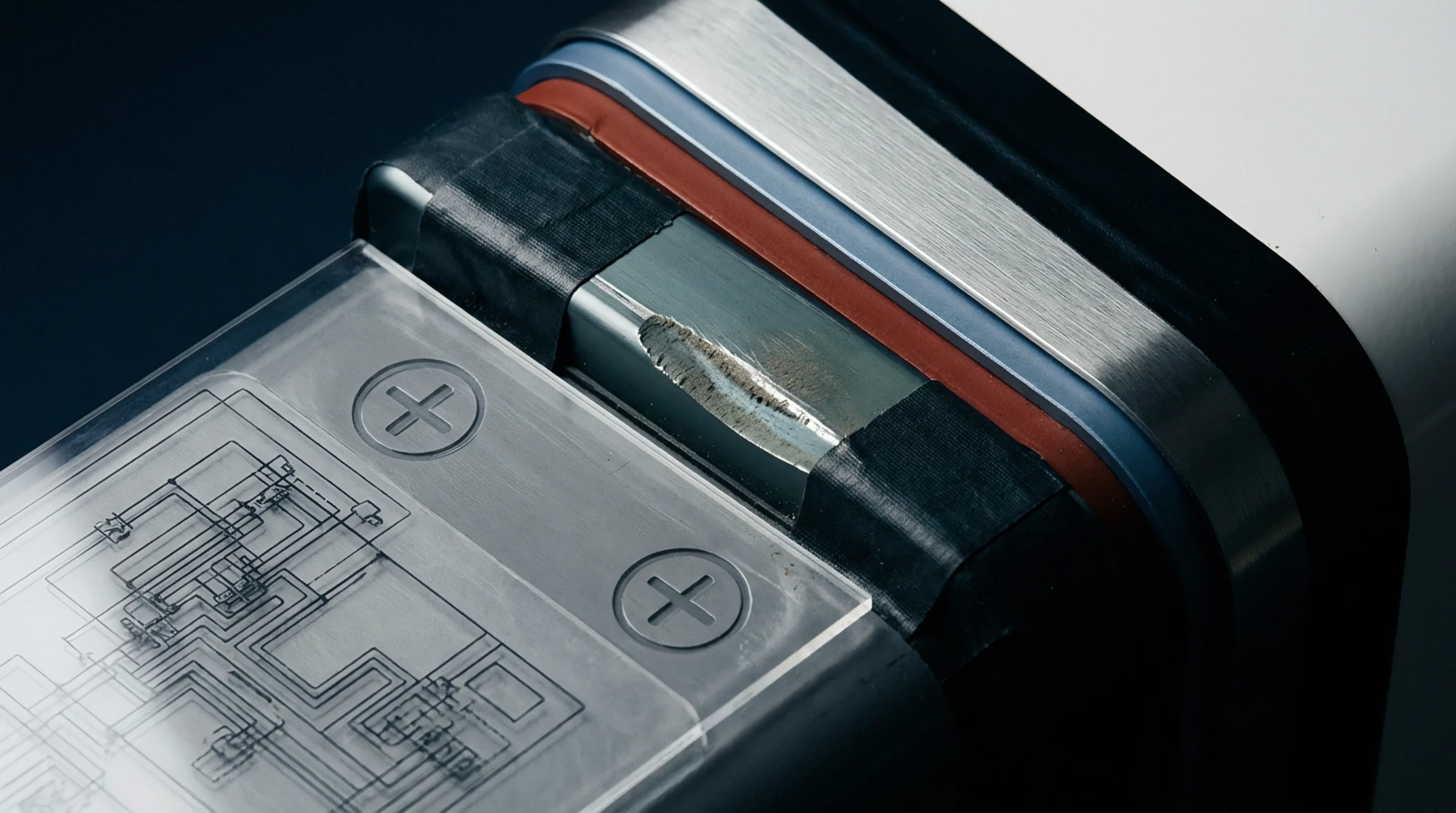
Polyamide outer layers provide resistance against abrasion and handling damage during cell assembly. This layer is bonded to an aluminum core that acts as a total barrier to moisture and gas. On the inner side, a polypropylene layer allows heat sealing to form a hermetic closure.
This polymer must remain stable when exposed to highly reactive liquid compounds.
Sourcing Selection
Moisture barrier properties determine the shelf life and safety of the final cell. Sourcing managers evaluate the film thickness and the quality of the foil core to prevent pinhole formation during deep drawing. Thinner foils reduce the overall mass of the cell but increase the risk of microscopic tears during the forming process.
Mechanical Resilience
Failure of the barrier leads to rapid cell degradation and swelling. The aluminum laminate film must undergo strict tensile and puncture testing before cell production starts. Heat-activated adhesive layers hold the metal and polymer together under thermal stresses.
Poor adhesion results in delamination and subsequent cell failure. This separation allows atmospheric moisture to react with the lithium salt inside, creating hazardous acidic compounds that compromise the electrical performance and mechanical safety of the battery pack.