Meaning
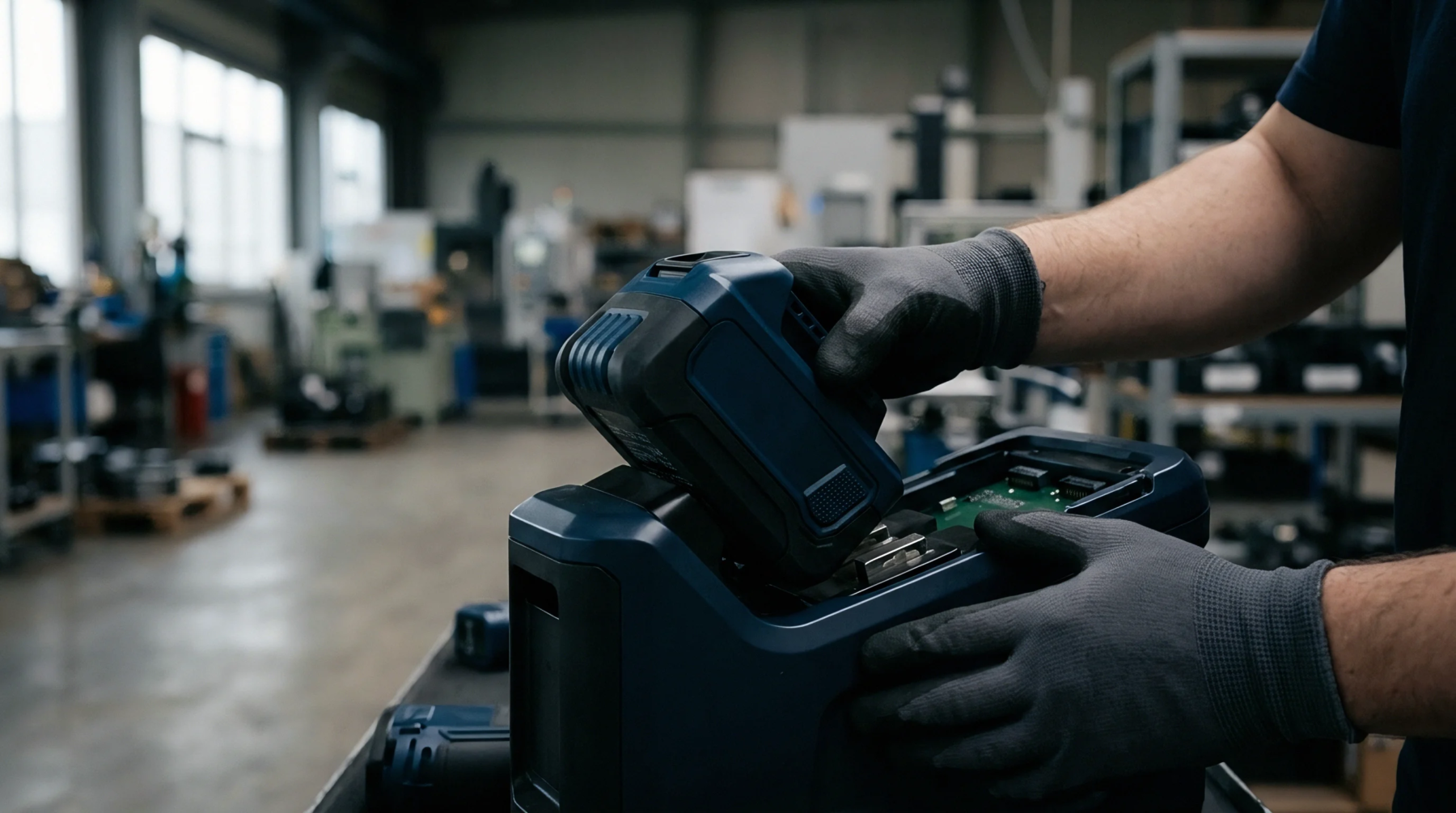
A protective structural housing serves the vital function of shielding internal electrochemical cells and management electronics from external mechanical shock, liquid ingress, and thermal fluctuations while providing the necessary mounting interfaces for vehicle or stationary integration. This battery pack enclosure maintains physical separation between high voltage components and the environment to ensure operational safety during normal use and collision events. Rigid materials such as aluminum alloys or reinforced composite sheets form the outer shell to prevent puncture or crushing of individual cell surfaces.
Pressure relief valves manage gas accumulation resulting from venting incidents inside the container. Seal integrity determines the classification of environmental resistance against moisture and particulate matter.
Structural Performance
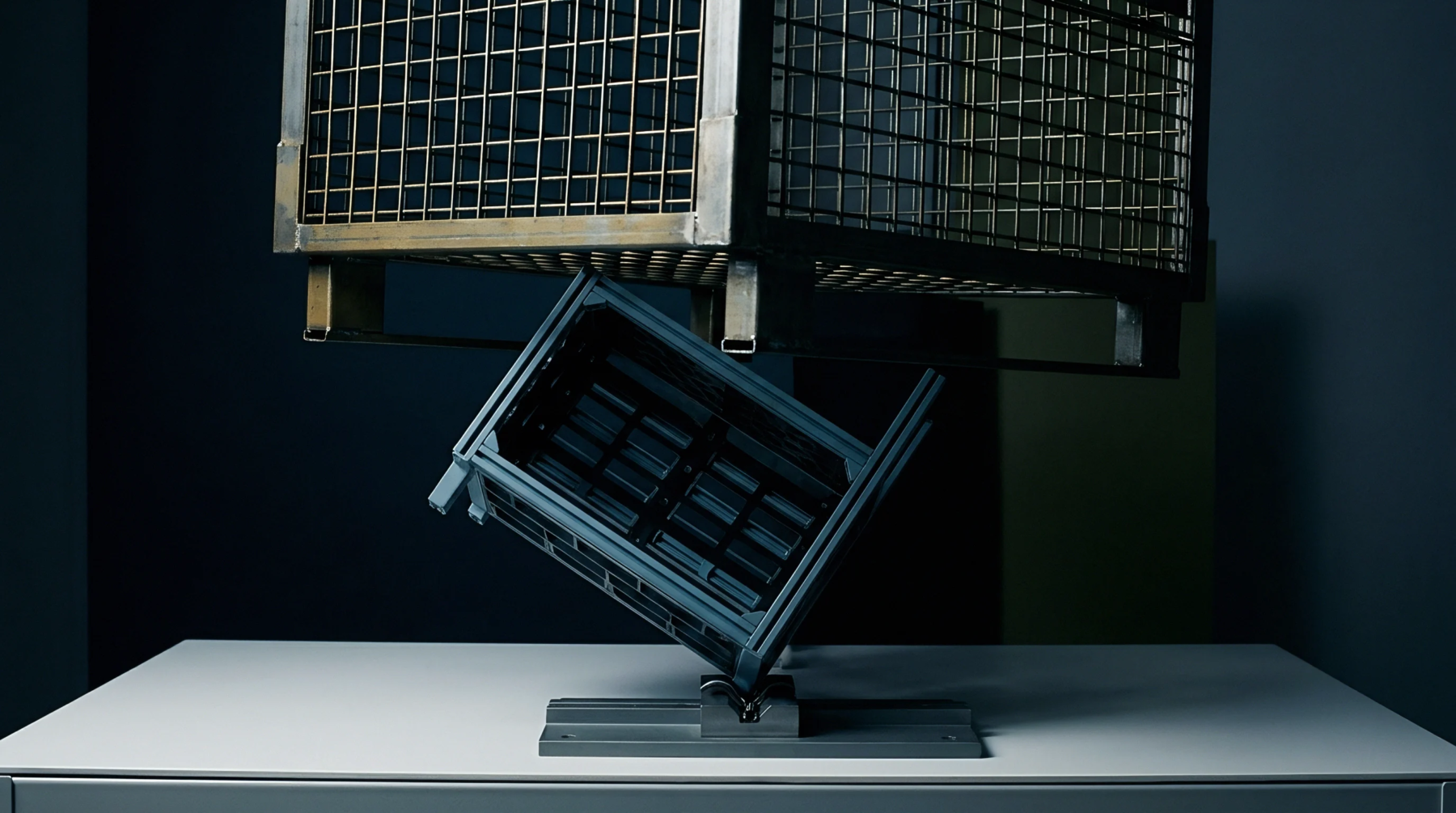
Load bearing capabilities allow the assembly to support the weight of the stacked modules without permanent deformation or internal shorting during vibration cycles. Practitioners evaluate the stiffness of these structures against standardized impact profiles to prevent distortion that might otherwise impinge upon the electrical insulation layers. Torsional rigidity prevents the housing from twisting under chassis stress, which keeps the delicate busbar connections aligned and stable throughout the service life of the energy storage unit.
High strength brackets anchor the weight to the primary frame while allowing thermal expansion to occur without stressing the bolted joints. Fatigue resistance remains a requirement for mobile applications where constant road loads create cyclic strain on the metal or composite walls.
Thermal Management
Heat dissipation relies on the design of the base plate or cooling fins integrated into the casing to move energy away from the cells during rapid discharge or charging phases. Engineers optimize the contact area between the cell module bases and the interior floor of the housing to minimize contact resistance during heat transfer. Liquid cooling circuits often snake through internal channels cast into the base, provided the plumbing remains isolated from the electrical components to prevent shorts.
Airflow optimization around the exterior surfaces helps maintain the temperature gradient required for battery chemistry longevity.
Assembly Verification
Integrity testing confirms the tightness of gaskets and fasteners before the final installation into the power system. Leak detection methods involve pressurizing the cavity with inert gases and monitoring the decay rate over fixed intervals to verify the hermetic nature of the seal. Dimensional checks ensure that the battery pack enclosure fits the exact tolerances of the intended receiving cradle to avoid vibration or chafing during movement.
Digital measurement tools verify the flatness of mounting surfaces to prevent concentrated stress points on the internal cell frame during final torque application. Automated systems track the clamping force applied to every perimeter bolt to certify that the closure withstands peak acceleration loads without shifting. Proper sealing of every penetration point for electrical cabling prevents water entry into the high voltage zone.
A well engineered housing unit constitutes the primary defense against the propagation of localized heat failures into external failure modes.