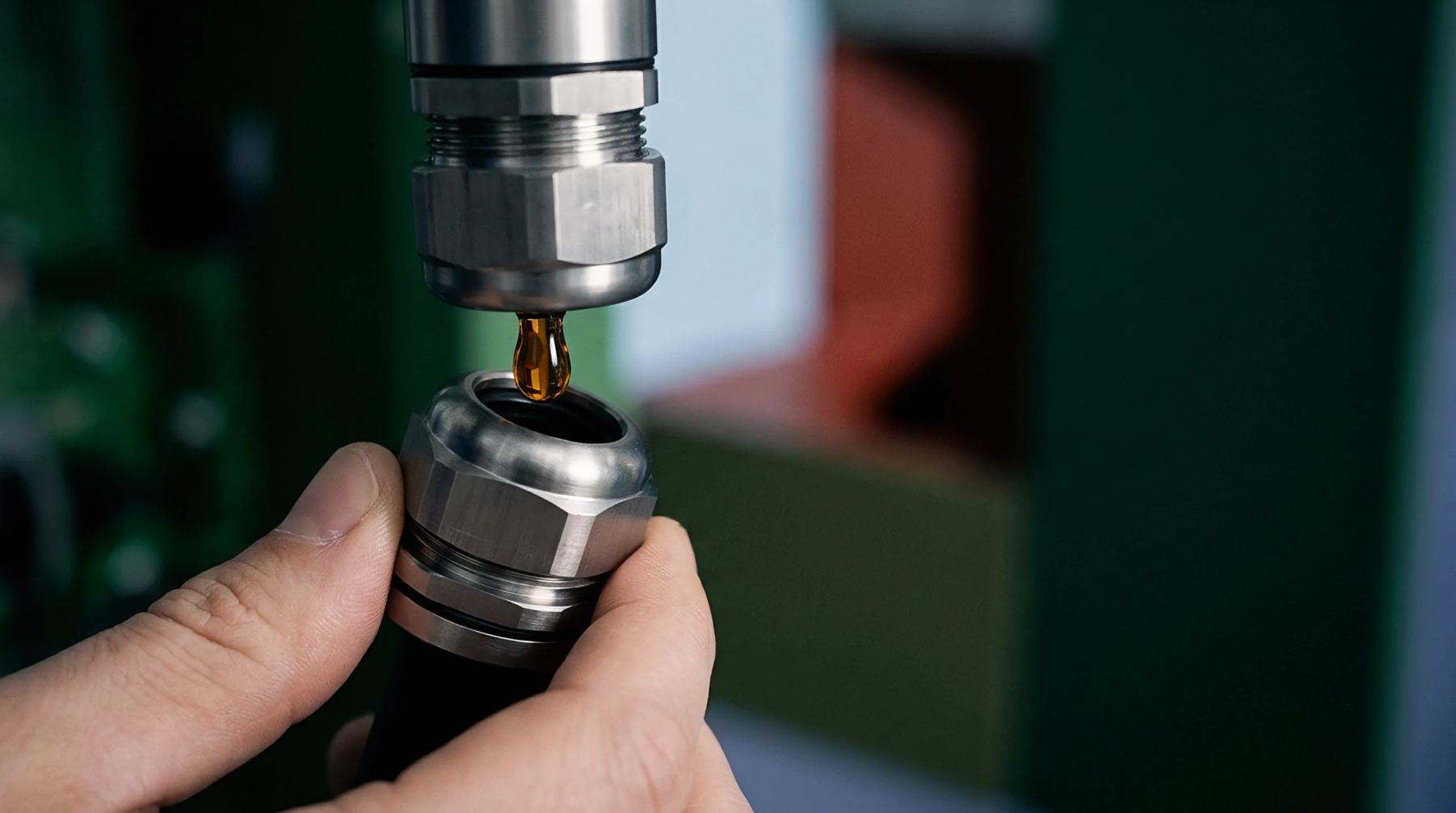
Silicon Anode Expansion Mechanics under Solid Encapsulation
Solid silicon anode expansion demands 5 MPa stack clamping to prevent void delamination, imposing module hardware mass penalties that cut pack energy density.
Conical disc spring assemblies configured in parallel, series, or nested stacks maintain continuous compressive force across electrochemical cells that exhibit cyclic volume changes during operation. A belleville spring pack delivers non-linear load-deflection behavior designed to compensate for cell expansion and contraction, preventing both unconstrained swelling and internal mechanical crushing. This mechanical subsystem governs the continuous stack pressure applied to pouch, prismatic, or solid-state cells over years of operational cycling.
Its engineering scope stops at the mechanical boundary of the module frame or clamping endplates, exerting no direct influence over thermal expansion occurring within the external rack structure.
Stacking circular dished washers in alternating orientations increases overall deflection travel, while stacking them in identical orientations increases the supported load at a given travel distance. When utilizing a belleville spring pack inside an energy storage module, the spring rate can be engineered with a regressive or flat load-deflection curve over the cell breathing envelope. This characteristic keeps the mechanical stress exerted on electrode stacks relatively uniform as individual cell thickness fluctuates between low and high states of charge.
Creep resistance remains essential, because spring relaxation reduces the baseline interface pressure over calendar life, leading to mechanical delamination or increased contact resistance between internal active materials. High-tensile spring steel alloys and specialized stainless compositions are selected to resist cyclic fatigue, relaxation, and corrosive electrolyte vapor exposure.
Cell integration warranties for chemistries undergoing high volumetric variation, including high-nickel layered oxides, silicon anodes, and sulfide-based solid electrolytes, mandate strict retention of contact force. Technical procurement schedules define the allowable compressive window in megapascals, instructing module builders to integrate a belleville spring pack engineered to match those dynamic limits. Under-compression allows internal delamination, contact loss, and localized lithium plating, while over-compression risks separator puncture, active layer crushing, and edge shorting.
Purchasers audit the spring batch certifications, verifying raw material hardness, shot-peening treatments, and load-deflection tolerance curves before approving pack bill-of-materials submissions. Delivery contracts often demand accelerated mechanical aging data demonstrating that compressive loss does not exceed five percent across ten thousand compression cycles under module operating temperatures.
Integrating mechanical disc spring hardware requires dedicated axial space within the cell module enclosure, directly reducing the volumetric packaging efficiency of the battery system. Accommodating the travel stroke and robust guide rods needed to prevent disc buckling forces designers to allocate module length to inactive structural mass. Parasitic weight from steel disc stacks penalizes the gravimetric energy density of mobile packs, creating a design conflict between mechanical life extension and vehicle range targets.
Non-uniform spring seating can introduce off-axis tilting loads across module endplates, applying uneven pressure gradients that damage perimeter cells faster than core cells.
Solid silicon anode expansion demands 5 MPa stack clamping to prevent void delamination, imposing module hardware mass penalties that cut pack energy density.
Expertise is a utility, not a secret. sentiention™ publishes its working knowledge as open reference: intelligence layer covering the materials it sources, the markets it enters, and the reference that serves both.