Meaning
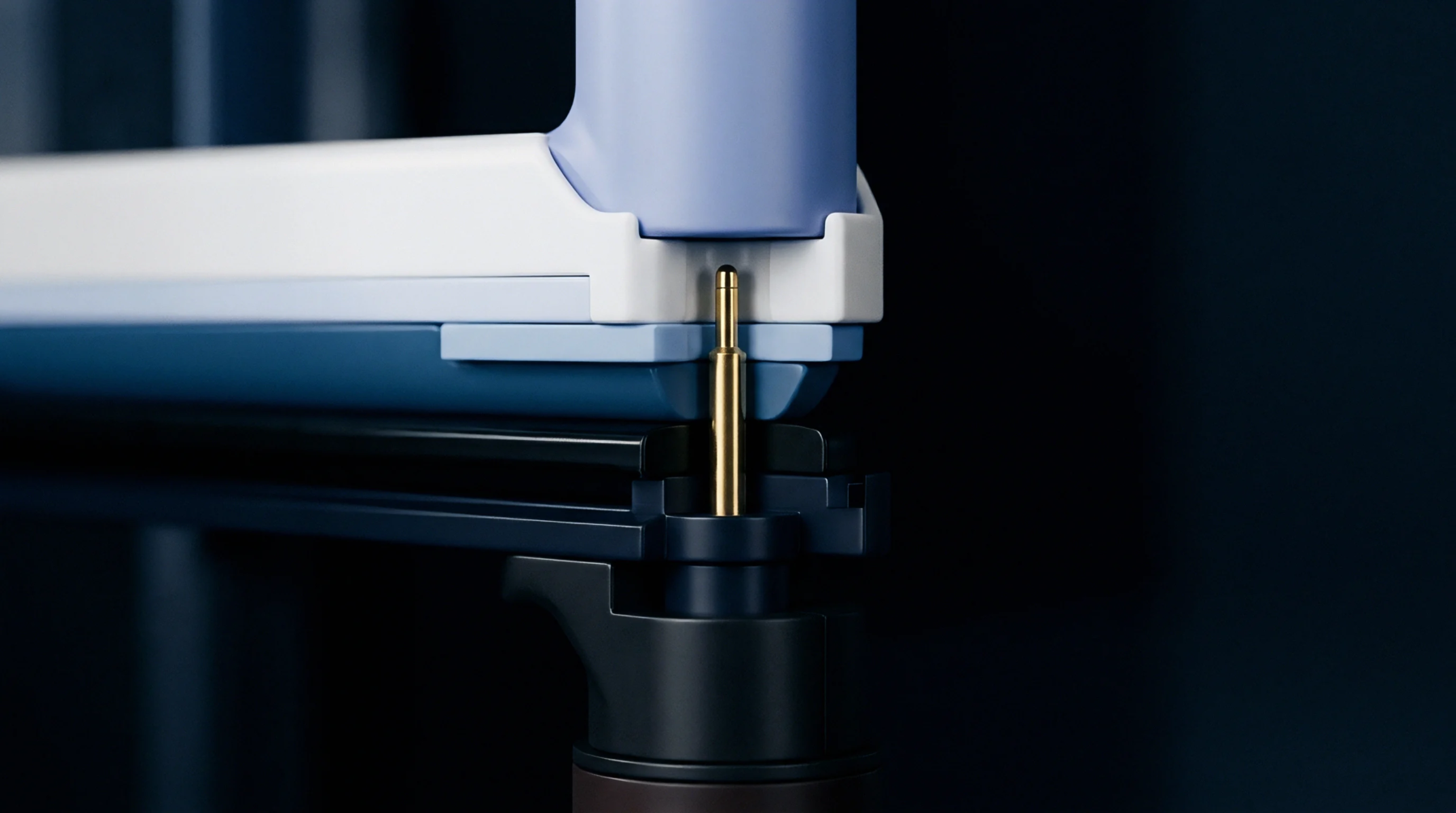
Test apparatuses designed for battery cells apply controlled mechanical forces to simulate real-world expansion and contraction during charge-discharge cycles. A dynamic compression fixture enables researchers to measure how a cell responds to cyclic swelling under variable or constant force profiles. This system replaces simple rigid plates to capture the displacement of electrodes under pressure.
Load Regulation
Electrochemical cells expand as lithium ions intercalate into the anode during charging. By using a dynamic compression fixture, the test engineer maintains a specific pressure profile to mirror the physical boundary conditions of a module. The apparatus adjusts its internal position via pneumatic or motorized actuators to keep the applied force within tight limits.
This prevents premature cell degradation from excessive localized pressures.
Measurement Accuracy
Sensors mounted within the mechanical load path capture high-resolution data on thickness changes. These instruments must withstand millions of cycles without drift or calibration loss. Thermal management during these long runs ensures that temperature-induced expansions of the steel plates do not distort the recorded displacement values of the cell itself.
Precise deflection data informs the structural design of pack enclosures.
Deflection Constraint
Rigid test boundaries are simulated by locking the actuator in a fixed position. When the cell swells, the mechanical strain is converted into a rising force profile which is continuously logged by the system software. This test mode reveals the peak stress that the internal cell components experience when expansion is completely restricted.
Mechanical failure thresholds are thus mapped to ensure the safety of the packed assembly under abuse conditions. In addition, these values help engineers select the optimal spring rates for module straps to allow safe breathing room during operational transitions.