Meaning
Verification that the physical housing of a battery is completely isolated from the outside atmosphere prevents the intrusion of humidity and the escape of harmful electrolytes. Systematic hermeticity testing identifies pathways as small as a single micron that might compromise the chemical stability of the internal cell. It governs the entry of high density energy units into the market and stops being applicable to vented cells or open system configurations.
Producers perform this test to guarantee that the energy density remains stable throughout the cycle life. Without a confirmed airtight container, the lithium metal or salts inside react rapidly with environmental moisture to produce hazardous gas.
Integrity Check
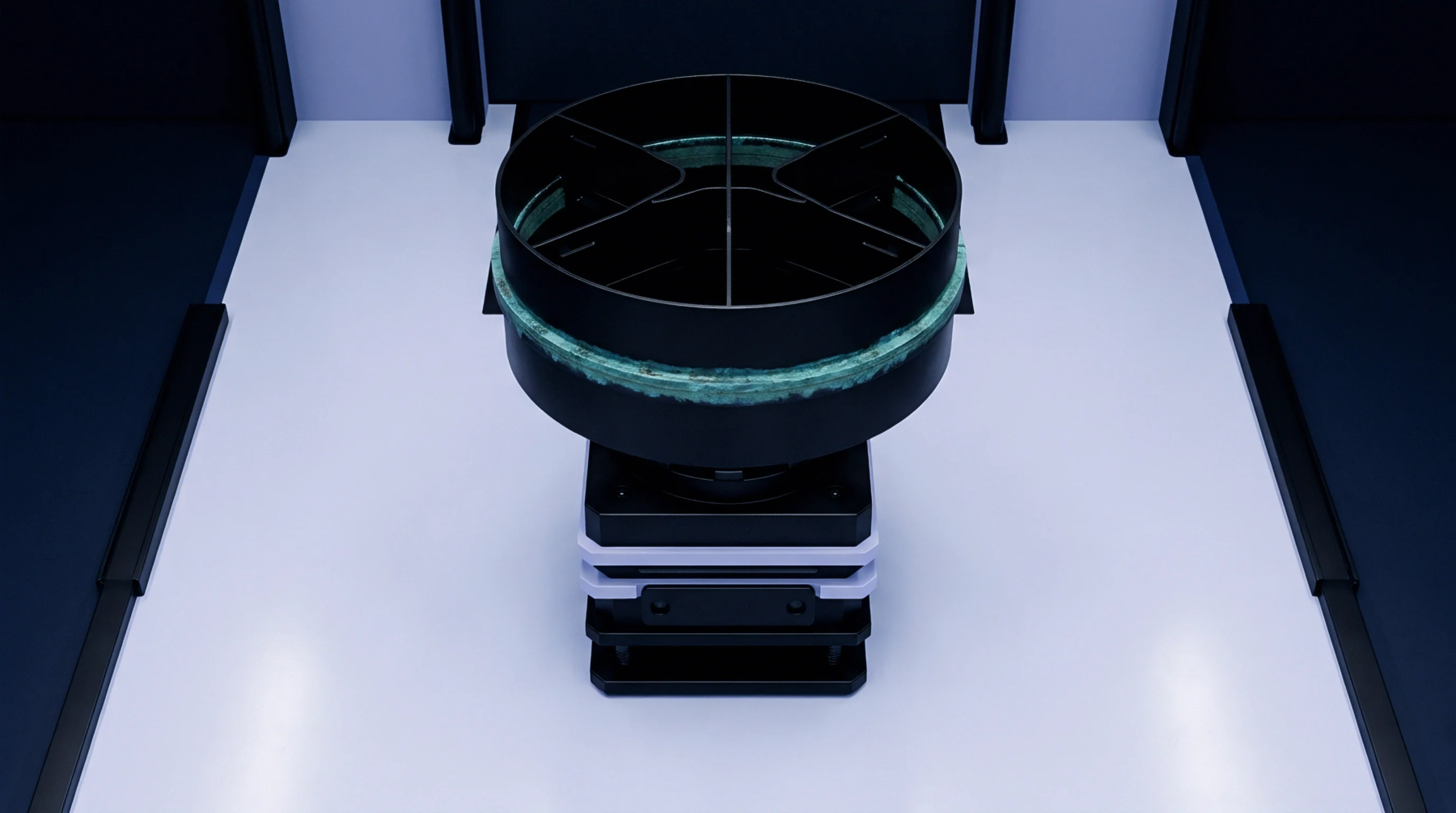
Vacuum chambers pull air from around the cell to monitor for any molecules escaping from the interior casing. Through hermeticity testing, sensors detect minute trace gases that signal a weld failure or a pinhole in the foil. If the pressure in the chamber shifts, the device is immediately identified as a leak risk.
This detection prevents cells with hidden manufacturing flaws from reaching the packing stage where they could fail. Reliable hardware relies on these high sensitivity sweeps during every shift.
Leak Mechanism
Microscopic gaps in the plastic seal or gaps in the laser weld allow exchange between the inside chemistry and external air. When hermeticity testing results show a steady leak rate, it indicates that the automated welding head needs realignment. This test is done using inert tracer gases like helium to catch holes that are too small for visible observation.
Results are stored in a database that links each cell identifier to its specific sealing signature. This traceability ensures that entire batches can be recalled if a systemic flaw is later discovered.
Quality Threshold
International standards define the maximum allowed leak volume for a battery to be considered fully sealed for consumer use. Following hermeticity testing, units that land within the acceptable range are approved for the electrolyte filling stage or final grouping. If the data shows a variance across multiple cells, technicians stop the line to verify the tension on the closure tools.
This cycle of measurement and adjustment maintains the high standards required for long range electric mobility. Every positive test result provides the final proof of mechanical reliability before shipping.