Meaning
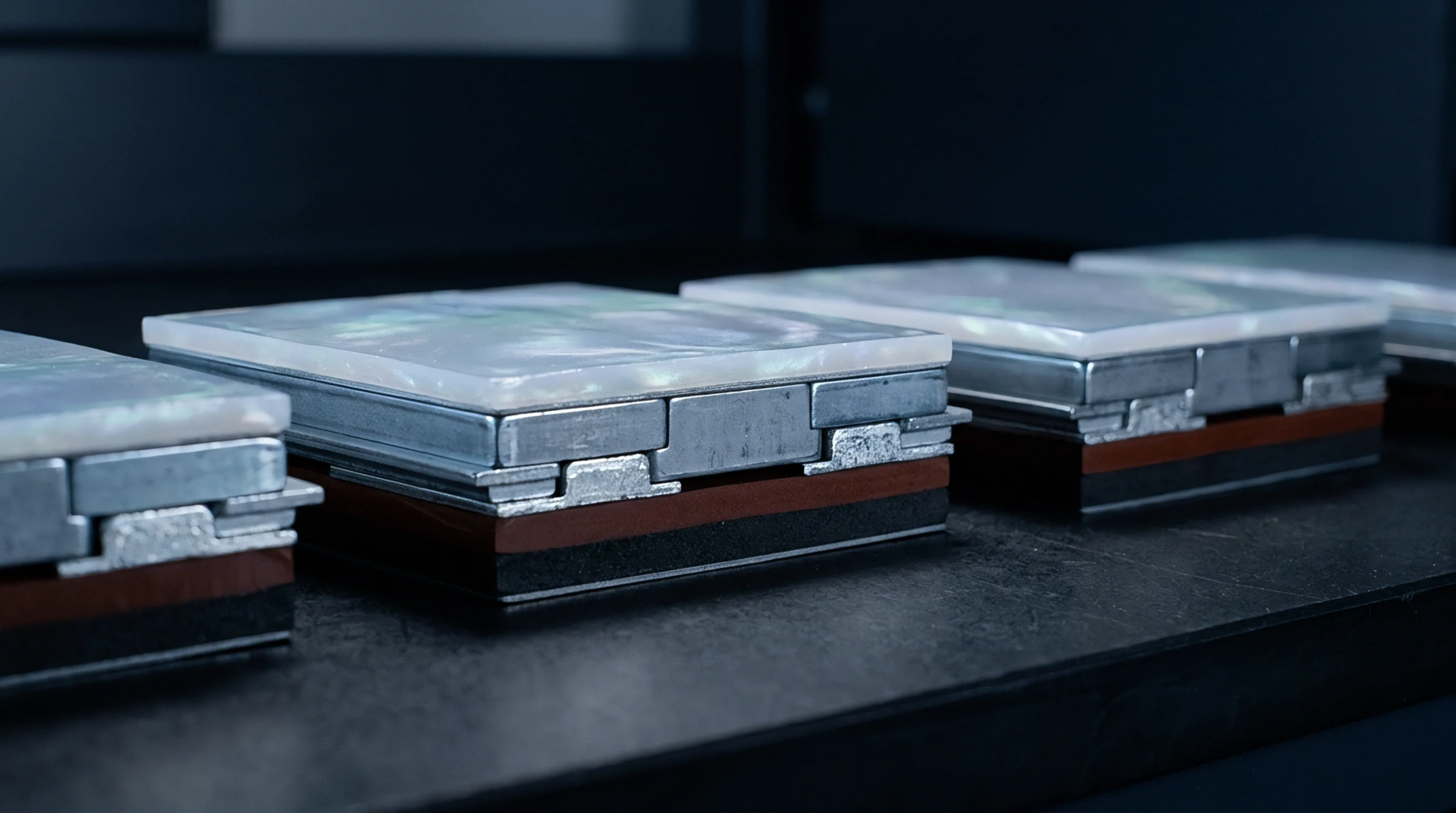
Mechanical compression planning determines the exact clamping forces applied to lithium ion cell stacks during assembly. Module preload calculation establishes the initial clamping pressure required to maintain internal component contact across repeated charge and discharge cycles. Engineers use this mathematical model to offset the natural expansion of active materials during intercalation without overstressing current collectors.
Cell degradation accelerates when inadequate clamping permits internal delamination, whereas excessive force crushes separator membranes and causes internal short circuits.
Thermal Interface
Temperature fluctuations alter internal component geometry inside energy storage packs. Expansion forces increase during high current discharge phases because heat causes components to push outward against rigid end plates. Compression systems absorb dimensional shifts by translating thermal energy into predictable mechanical deflection across internal boundaries.
Component Sizing
End plate thickness and tie rod dimensions derive directly from maximum anticipated stack growth values. Structural engineers select spring elements that maintain constant tension while accommodating the physical wear of internal components over thousands of operational cycles. Insufficient bolt torque allows microscopic gaps to form between jelly rolls and cooling plates, which degrades thermal conductivity and causes localized hotspots.
Assembly Pressure
Manufacturing facilities verify mechanical tolerances by measuring physical deflection during final compression stages. Torque wrenches apply rotational force that translates into linear clamping pressure across stacked prismatic enclosures. Production lines reject assemblies that fail to reach minimum pressure thresholds before welding final structural seams.