
Tooling Maintenance Liability Allocation in High Pressure Die Casting
HPDC tooling maintenance liability relies on categorizing wear mechanisms, logging shot telemetry, and establishing per-shot reserve funds in bailment contracts.
HPDC tooling maintenance liability relies on categorizing wear mechanisms, logging shot telemetry, and establishing per-shot reserve funds in bailment contracts.

Amortizing battery pack enclosure tooling lowers upfront capital but creates binding shortfall liabilities and warranty risks if production volumes shift.
Coupling transient CFD convective flux with non-linear elastoplastic FEA prevents thermomechanical fatigue leaks across integrated structural battery cooling channels.
Mitigating thermal shock in die casting tooling demands high thermal conductivity steel, conformal cooling, and strict spray delta-T control.

Multiaxial critical plane strain-life analysis models out-of-phase thermal and pressure fatigue on internal conformal cooling walls to prevent die failure.
Coupled thermomechanical strain-life FEA predicts thermal checking and insert fatigue life in gigacast tray molds using non-linear elastoplastic plasticity models.

Dynamic drop tower qualification of consolidated battery tubs requires controlling impactor kinetic energy, strain-rate sensitivity, and elastic intrusion limits.
Amortized enclosure tooling disputes resolve when contracts tie maintenance liability directly to audited press cycle logs and physical shot-life limits.
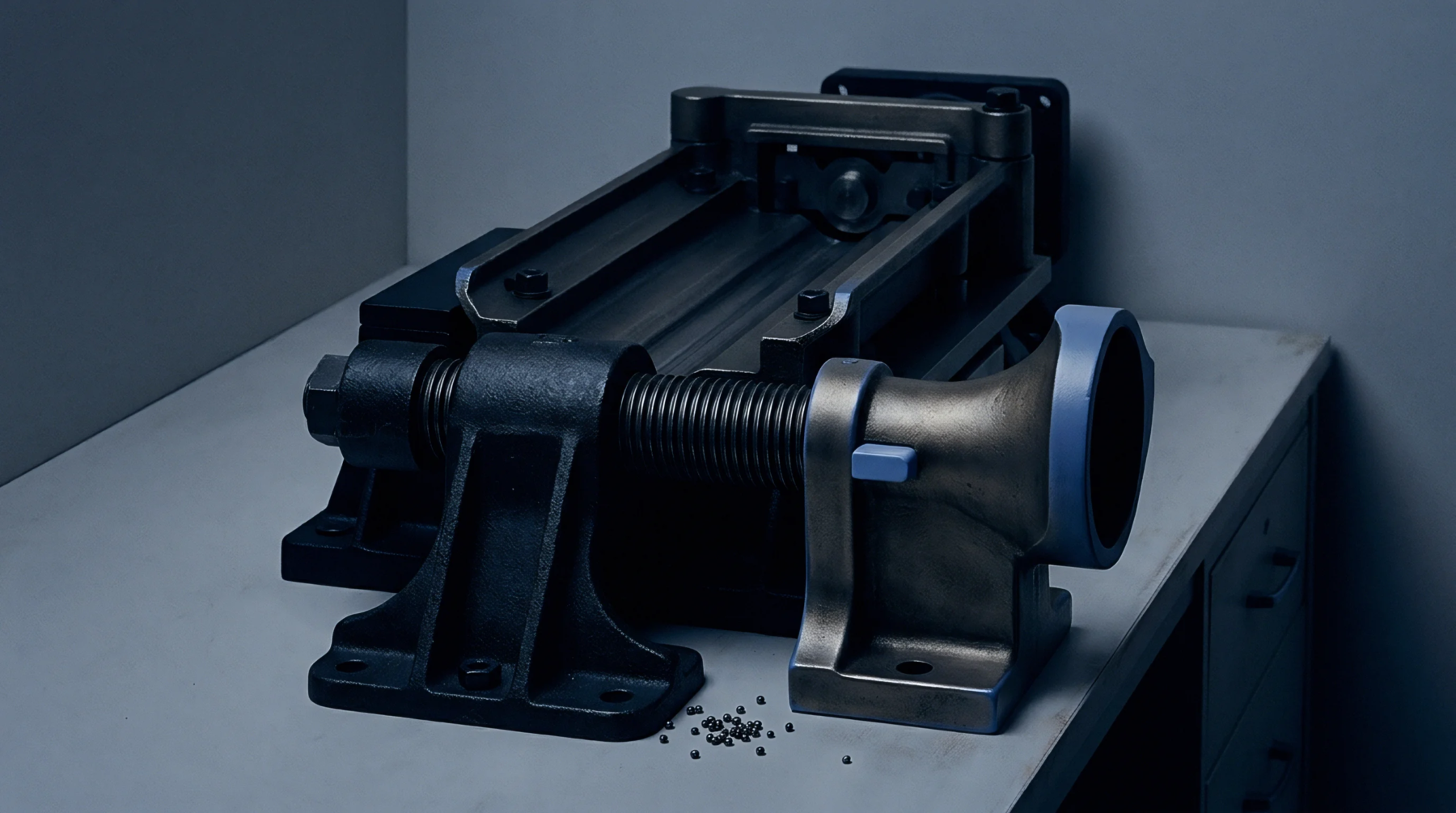
Mitigate battery enclosure casting die failure by modeling transient heat flux to constrain thermal tensile stress below steel yield limits.
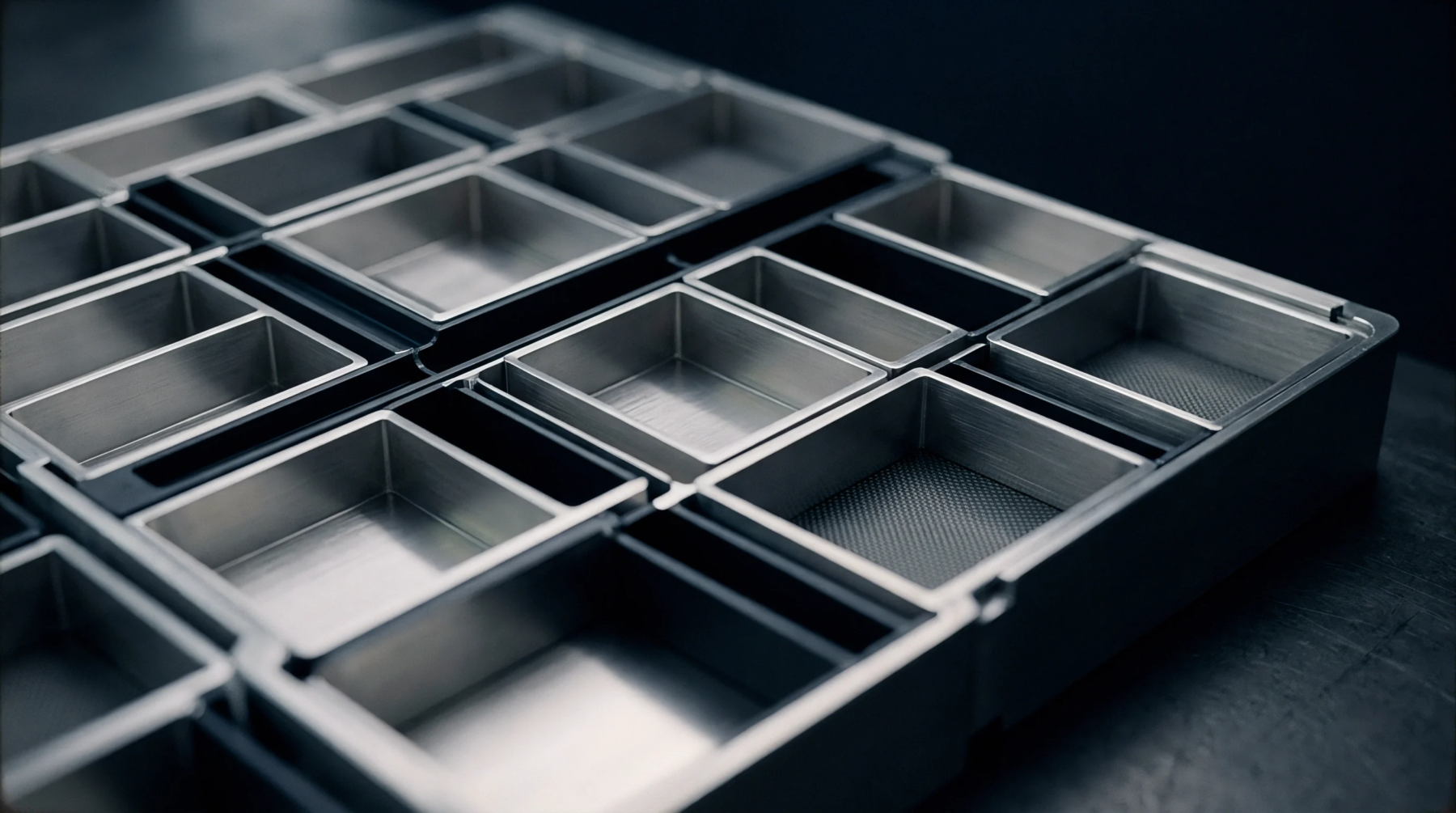
Predictive thermal fatigue FEA prevents tray mold failure by mapping strain range histories to Coffin-Manson models before cutting expensive die steel.
Expertise is a utility, not a secret. sentiention™ publishes its working knowledge as open reference: intelligence layer covering the materials it sources, the markets it enters, and the reference that serves both.