Meaning
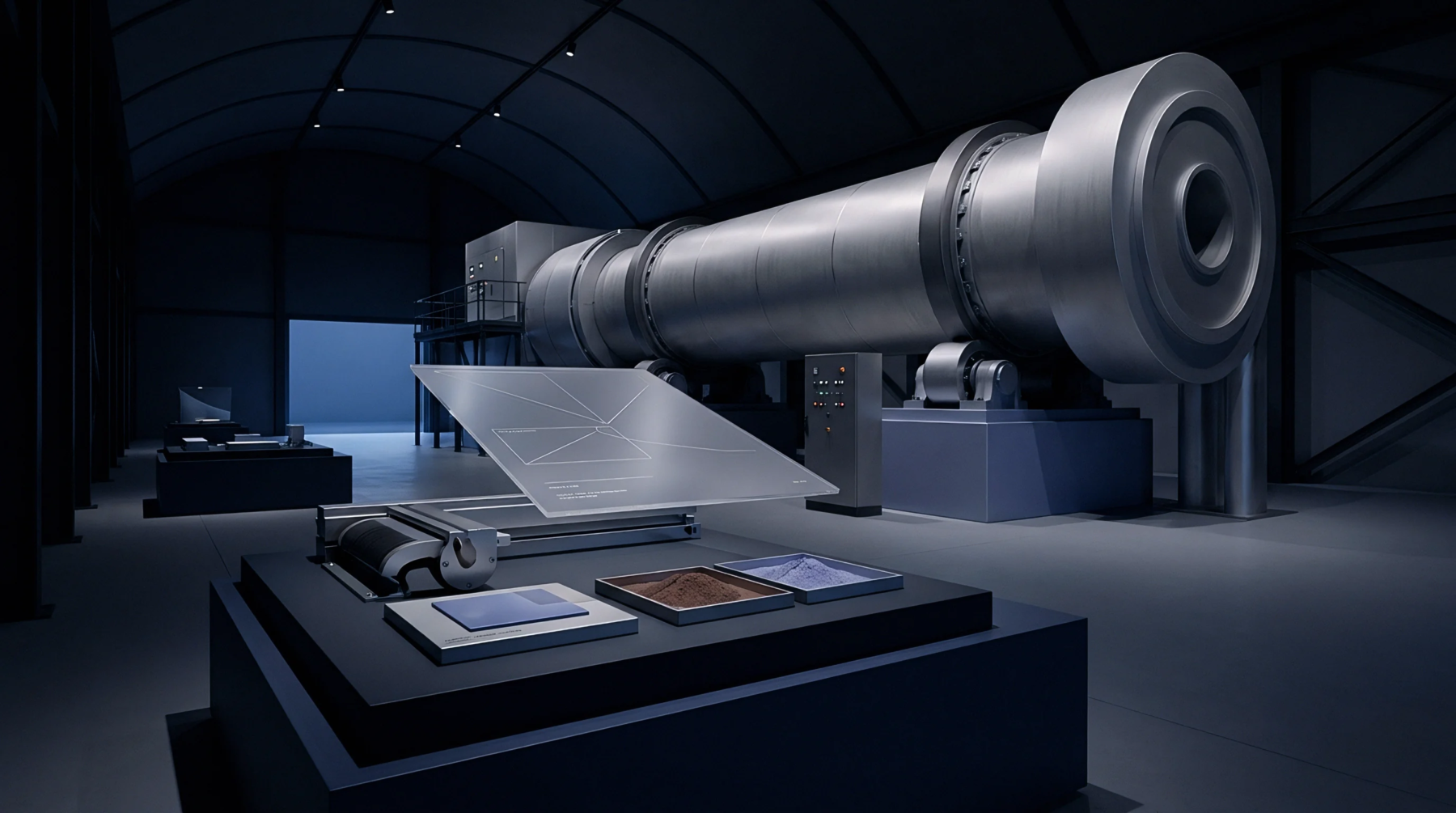
Industrial heating systems that utilize a bed of rotating ceramic or metal cylinders to move materials through a heating chamber provide a continuous method for large scale thermal processing. This type of equipment, known as a roller hearth furnace, is designed for the consistent heat treatment of long products like tubes and bars or flat items like glass and steel plates. The material rests directly on the rollers, which transport it at a controlled speed through different temperature zones.
This setup allows for uniform exposure to the atmosphere and heat source. It is a staple in high volume production lines where manual handling would be inefficient. ~
Transport Mechanism
Drive motors outside the heated zone rotate the rollers through a chain or gear system. Synchronized rotation ensures that the material moves smoothly without slipping or scratching the surface. The spacing of the rollers is determined by the length and weight of the parts being processed.
In some designs, the rollers can oscillate to prevent the material from sagging during high temperature dwells. ~
Thermal Gradient
Multiple heating zones along the length of the furnace allow for precise control of the temperature profile. Parts can be slowly preheated, held at a soaking temperature, and then cooled at a specific rate. This flexibility is necessary for processes like annealing and normalizing.
Insulation materials and door seals minimize heat loss at the entrance and exit of the tunnel. Individual burner controls or electric heating elements allow for fine adjustments in each section to compensate for the thermal mass of the workload. Radiant tubes are often used to separate the combustion gases from the furnace atmosphere when a specific chemical environment is required for the metal.
~
Production Output
Continuous operation eliminates the downtime associated with loading and unloading batch furnaces. Because the parts are spread out on the rollers, they reach the target temperature faster and more uniformly than they would in a large pile. This leads to higher quality and more predictable metallurgical results.
The speed of the hearth is adjusted to match the takt time of the rest of the manufacturing facility.