Meaning
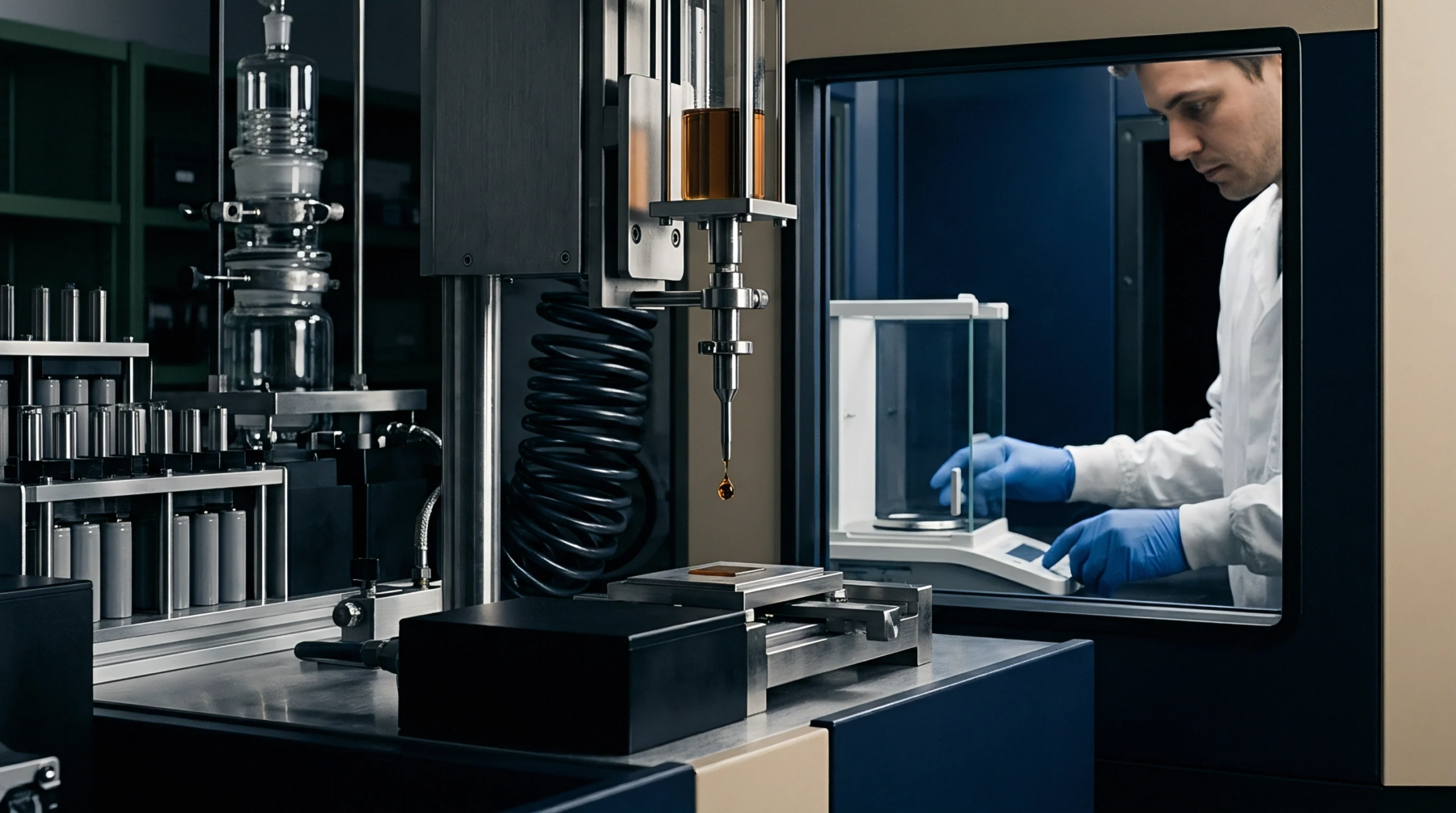
Fluid mechanics of a viscous material compressed between two approaching parallel plates governs the wetting and thickness of adhesive layers in battery assemblies. This behavior is called squeeze flow kinetics, and it describes how thermal gap fillers and structural adhesives spread when the cells are pressed into the module frame. The rate of fluid displacement determines the cycle time of the assembly line and the final thickness of the joint.
Understanding this behavior is essential for optimizing the compression force and avoiding damage to the fragile battery cells.
Viscoelastic Behavior
Non-Newtonian fluids used in battery assembly exhibit changes in viscosity when subjected to different shear rates. As the plates compress the material, the shear rate changes from the center to the outer edges of the fluid boundary. This variable shear rate causes the adhesive to flow more easily under high force and solidify once the force is removed.
Designing the assembly process requires balancing the compression speed with the material’s relaxation time to prevent air entrapment.
Process Parameters
Squeezing must be executed with precise control over the rate of displacement and the applied pressure. If the compression is too fast, the high pressure can damage the delicate cell walls or the cooling plate. Conversely, if the compression is too slow, the adhesive may begin to cure before reaching the target thickness, resulting in a poor bond.
High volume manufacturing lines must utilize automated presses that monitor both force and displacement to ensure consistency.
Joint Performance
The final joint performance depends on the complete wetting of the surfaces and the elimination of internal air voids. Proper flow ensures that the thermal filler fills every microscopic gap, minimizing the thermal contact resistance. If the flow kinetics are poorly managed, dry areas can remain and act as thermal barriers, leading to localized hot spots.
This correlation makes the analysis of fluid flow a key step in battery module engineering.