
Thermal Interface Material Selection for Prismatic Battery Modules
Matching material compliance to prismatic swell while controlling bond line thickness dictates thermal impedance, voltage isolation, and pack yield.
Matching material compliance to prismatic swell while controlling bond line thickness dictates thermal impedance, voltage isolation, and pack yield.
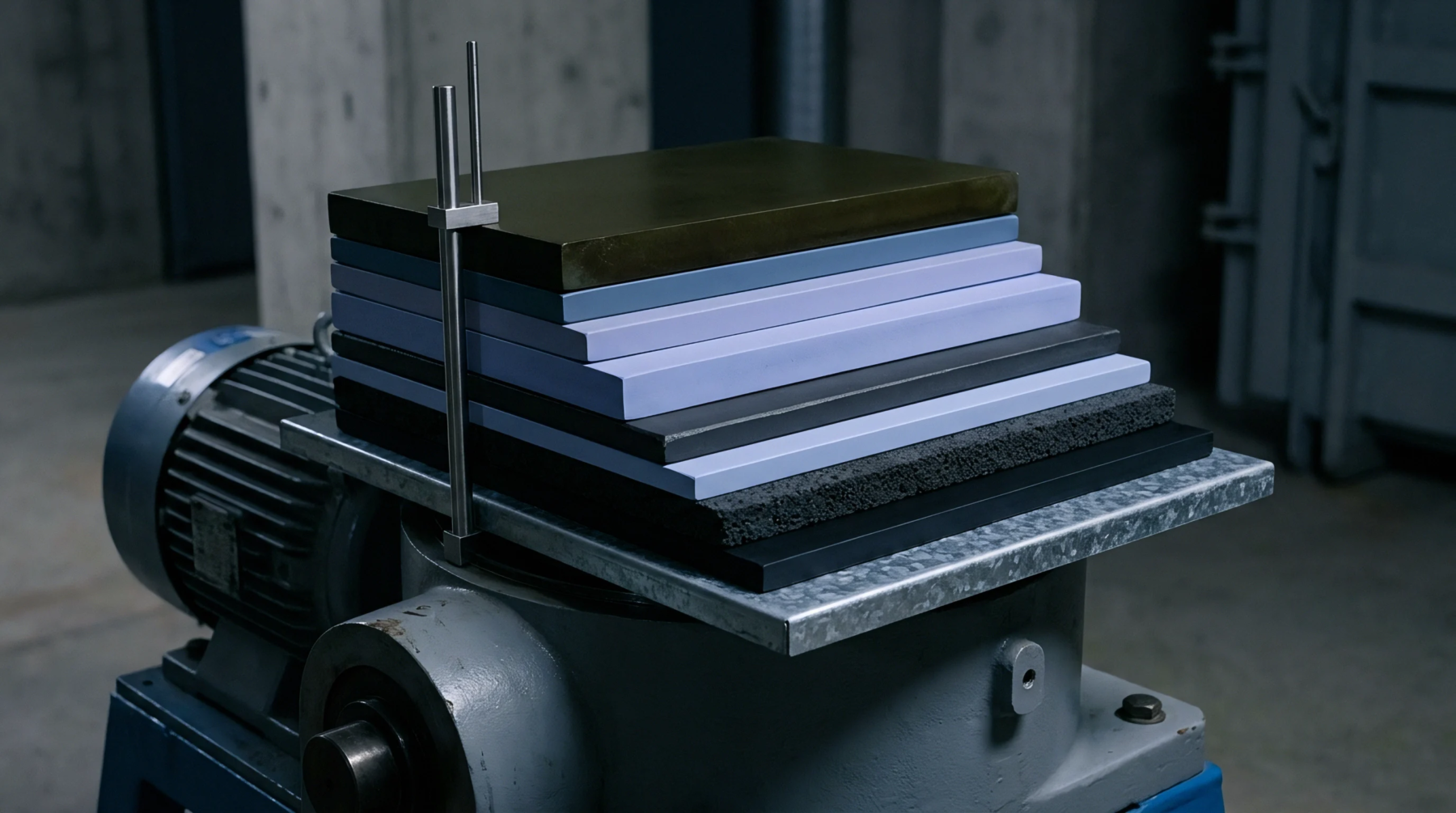
Quantifying interface thickness variances across pack thermal layers prevents localized hot spots, cell degradation splits, and unallocated warranty exposure.

Transient squeeze flow mechanics during module clamping dictate micro air void entrapment, driving thermal impedance spikes and dielectric failure across cold plates.

Non-Newtonian gap filler rheology controls high-shear dispensing speeds, wet squeeze forces, and long-term settlement stability in battery pack assembly.

Optimal prismatic module thermal interface selection balances bulk conductivity against rheology and compliance to accommodate swelling without dielectric rupture.
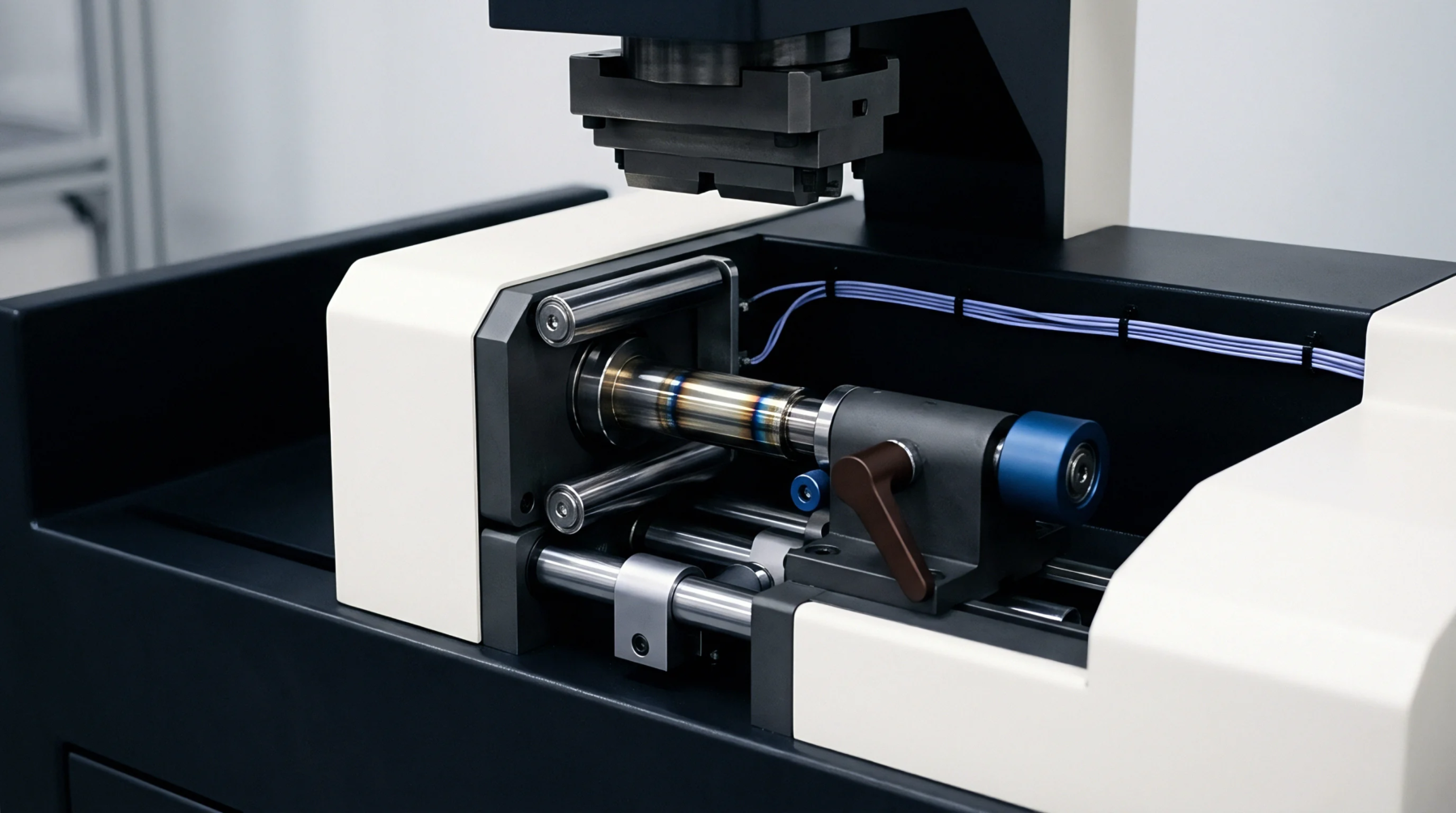
Optimizing module heat dissipation demands matching thermal interface wet-out and structural clamping spring rates to compensate for cyclic cell expansion.

Shear-thinning gap filler viscosity drops under high dispense shear rates, requiring dynamic force control during module squeeze to prevent voids and structural cell damage.

Thermal interface materials require precise thickness and pressure control to eliminate contact resistance without inducing structural stress on battery cells.

Tightening housing floor machining planarity below 0.2 mm slashes thermal paste volume requirements, preventing multi-million dollar annual BOM overruns.
Expertise is a utility, not a secret. sentiention™ publishes its working knowledge as open reference: intelligence layer covering the materials it sources, the markets it enters, and the reference that serves both.