Optimizing Closed Pore Preservation and Interlayer Spacing in Softwood Hard Carbon Anodes
Optimizing softwood hard carbon via acid leaching, 1300°C pyrolysis, and chemical vapor deposition maximizes closed pore volume and initial efficiency.
Optimizing softwood hard carbon via acid leaching, 1300°C pyrolysis, and chemical vapor deposition maximizes closed pore volume and initial efficiency.
Modulated supersonic nozzles yield sub-3-micrometer sodium cathode precursors with narrow spans, improving rate capability at the cost of lower electrode tap density.
Increasing the gas-to-metal ratio shifts powder size lower and increases surface drag, depressing tap density from 2.10 to 1.45 grams per cubic centimeter.
Maintaining stable negative aspiration pressure during liquid silicon gas atomization optimizes spherical particle morphology and suppresses satellite formation.
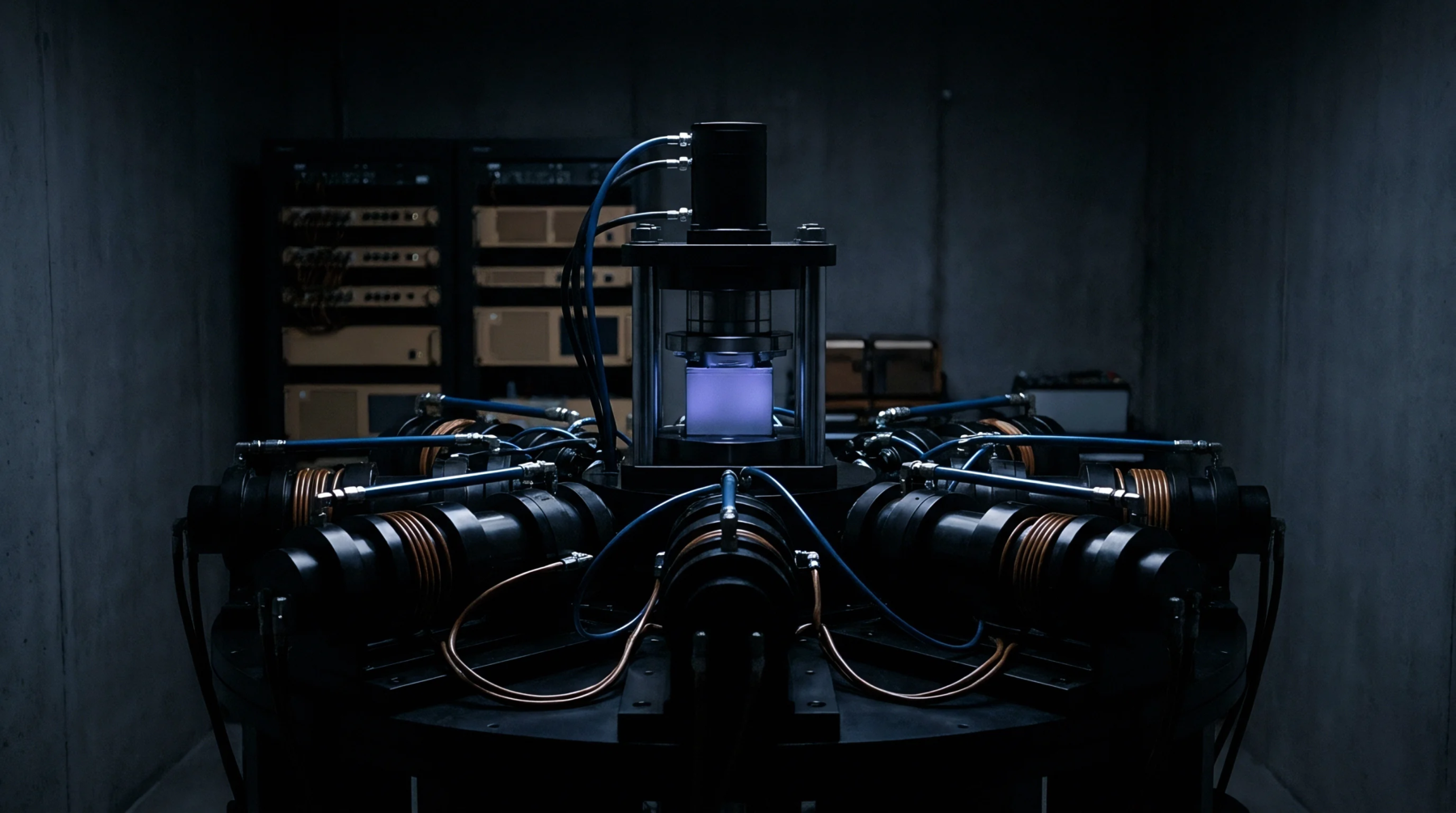
Inert gas pressure governs powder size distribution through gas-to-melt kinetic energy transfer, dictating slurry rheology, calender limits, and cell format yield.
Recycled NMC precursors demand strict tap density above 2.05 g/cm³ and BET surface area under 6.5 m²/g to prevent cathode slurry gelation and compaction failure.
Shock wave breakup shatters nascent oxide skins during reactive alloy atomization, driving rapid oxygen uptake that degrades battery slurry and cell capacity.
Lock bills of materials and enforce incoming statistical Cpk gates on cell mass, ACIR, and anode overhang to halt manufacturing drift before pack assembly.

High interface velocity during silicon alloy atomization suppresses coarse dendrites, yielding nanoscale silicide networks that prevent anode pulverization.
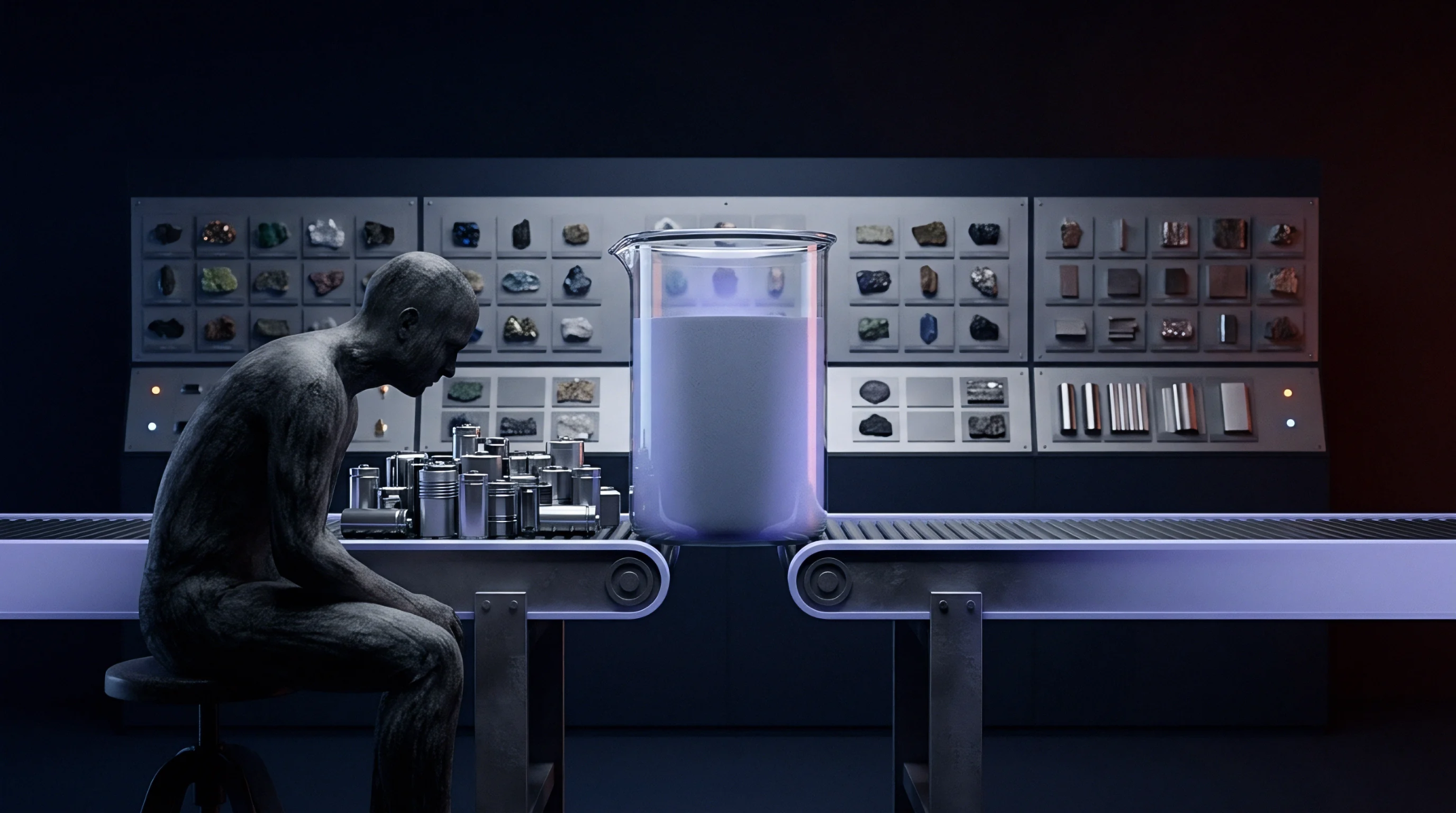
Sodium oxalate provides 400 mAh/g presodiation capacity at 3.9-4.2V, releasing CO2 that demands specialized two-stage degassing lines and tooling.
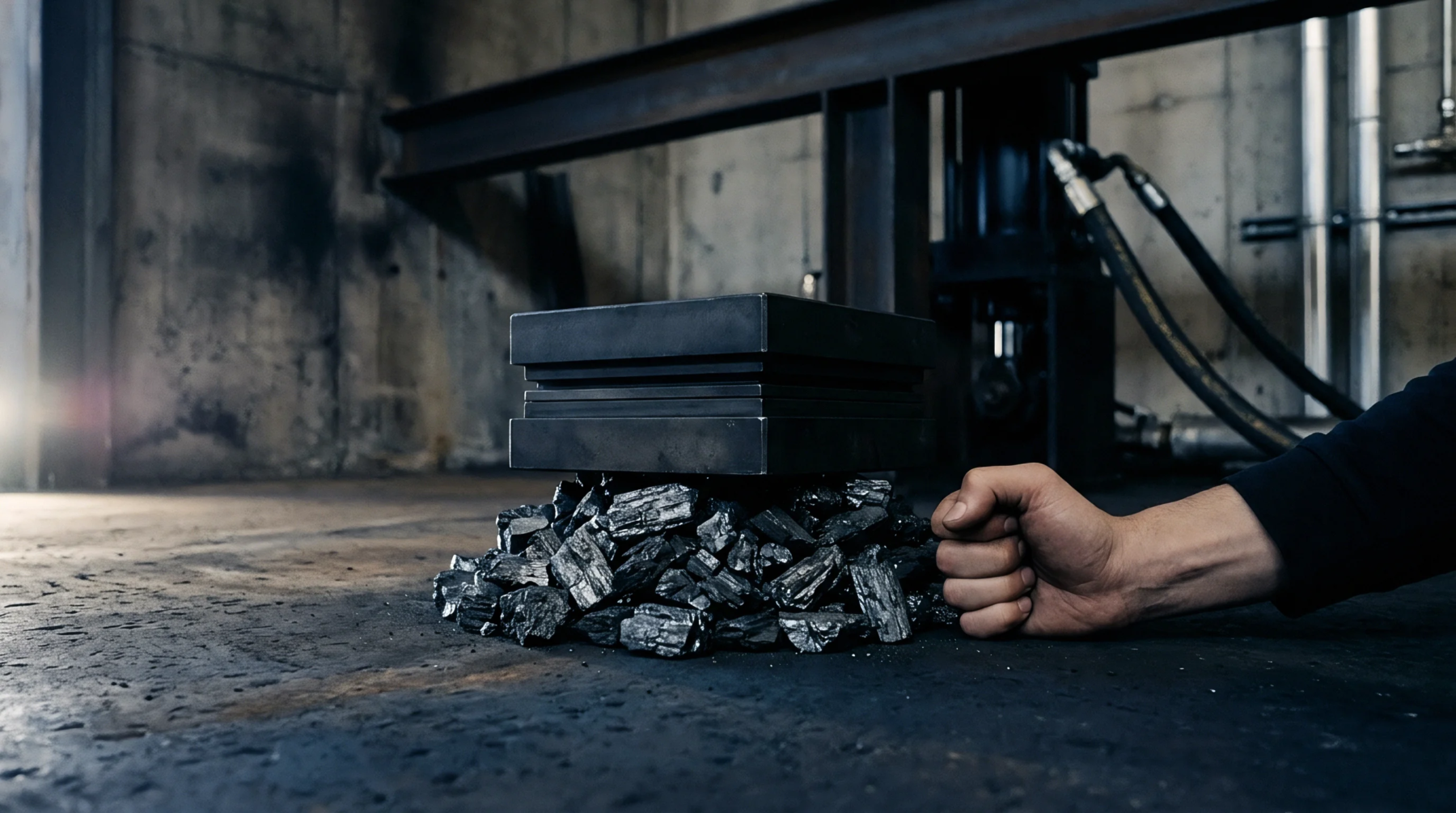
Hard carbon anode selection balances d002 spacing above 0.37 nm, BET area under 3 m2/g, and calender density below 1.05 g/cm3 to secure 88% initial efficiency.
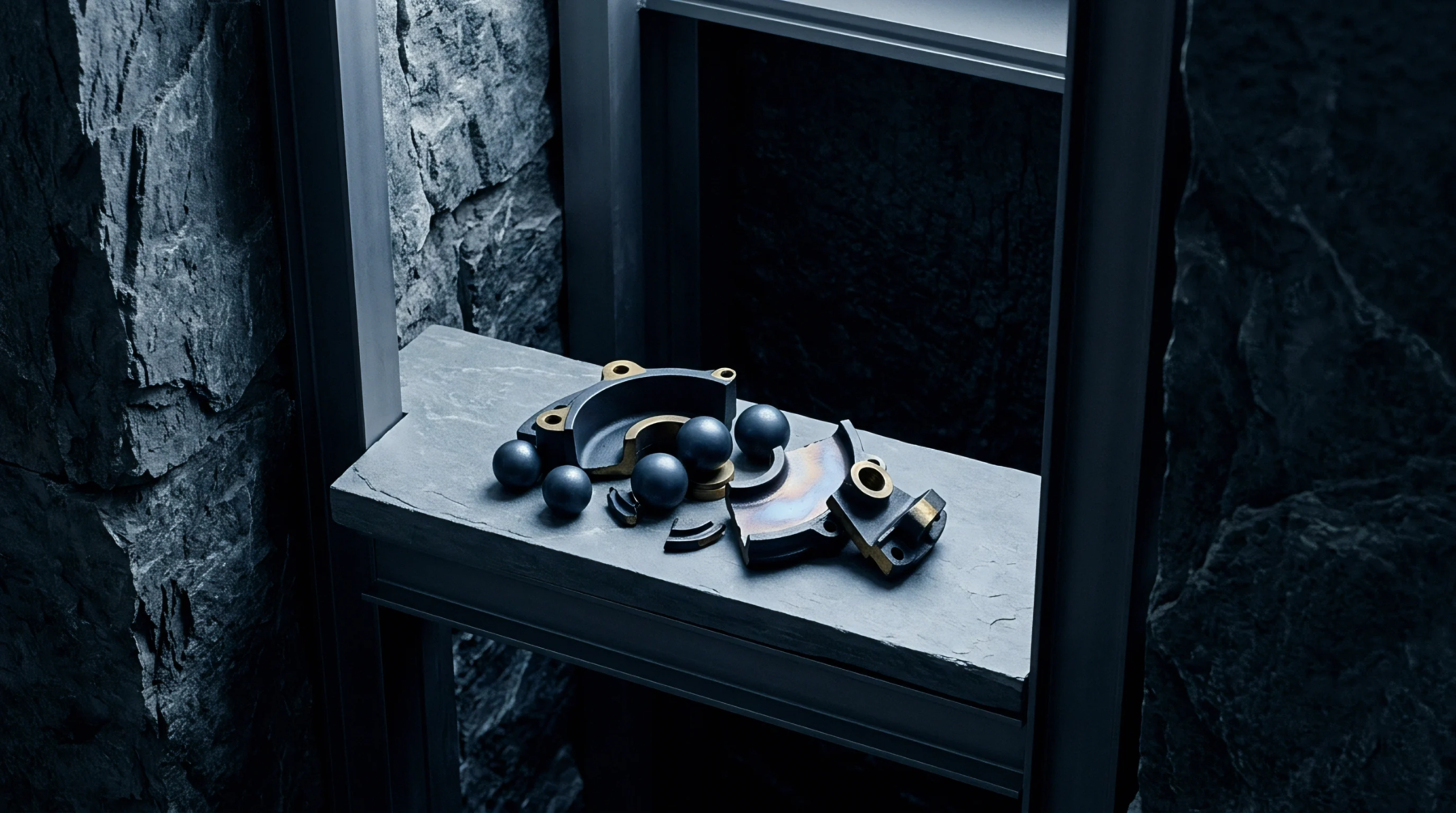
Structured silicon alloy kinetics depend on managing stress-driven diffusion back-pressure and silicide matrix creep under external mechanical stack confinement.
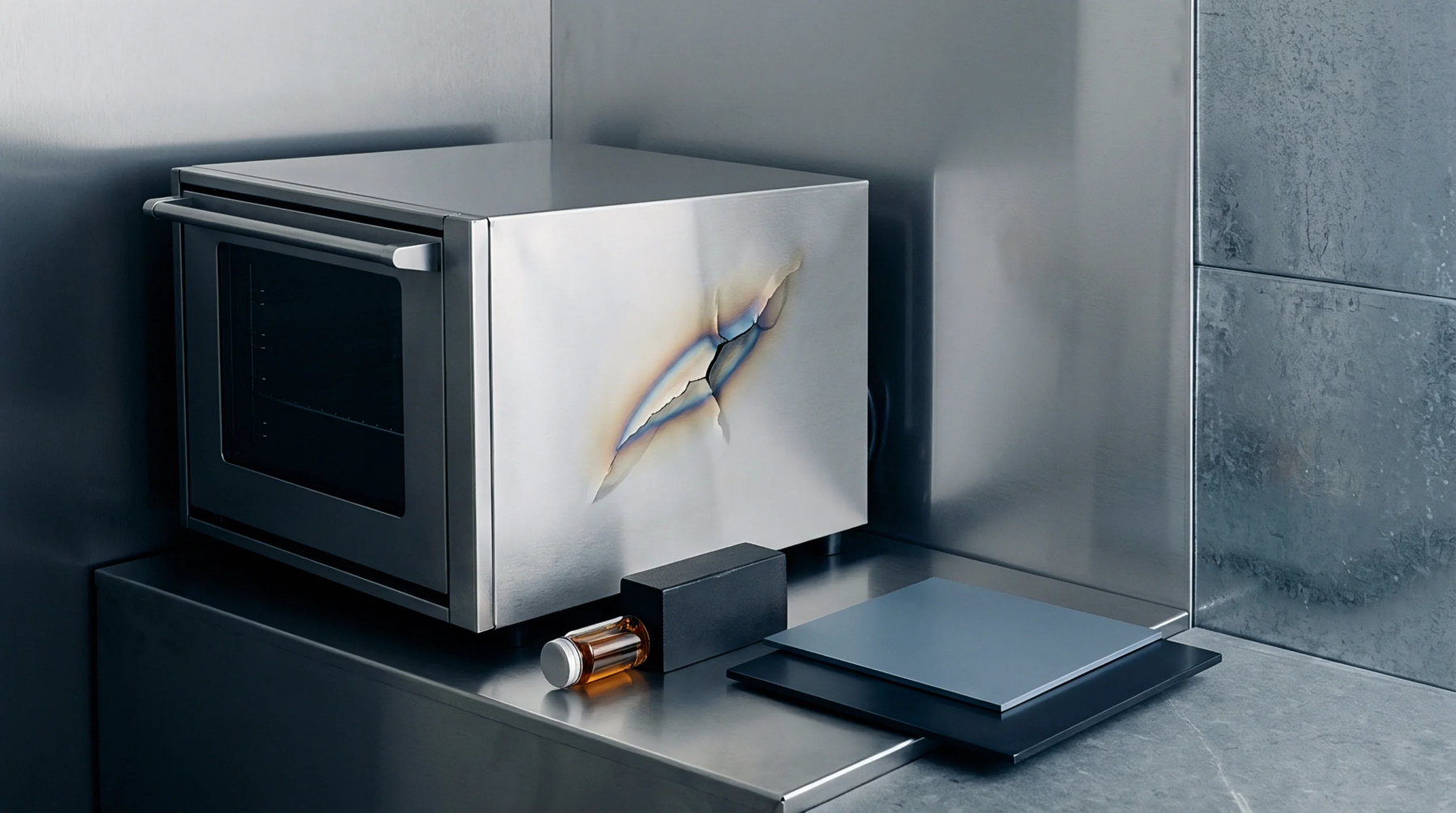
Optimize precursor pre-oxidation at 230-270 °C under 0.05 atm O2 to expand closed pore volume, achieving >220 mAh/g low-potential plateau capacity and >88% ICE.
Expertise is a utility, not a secret. sentiention™ publishes its working knowledge as open reference: intelligence layer covering the materials it sources, the markets it enters, and the reference that serves both.