Meaning
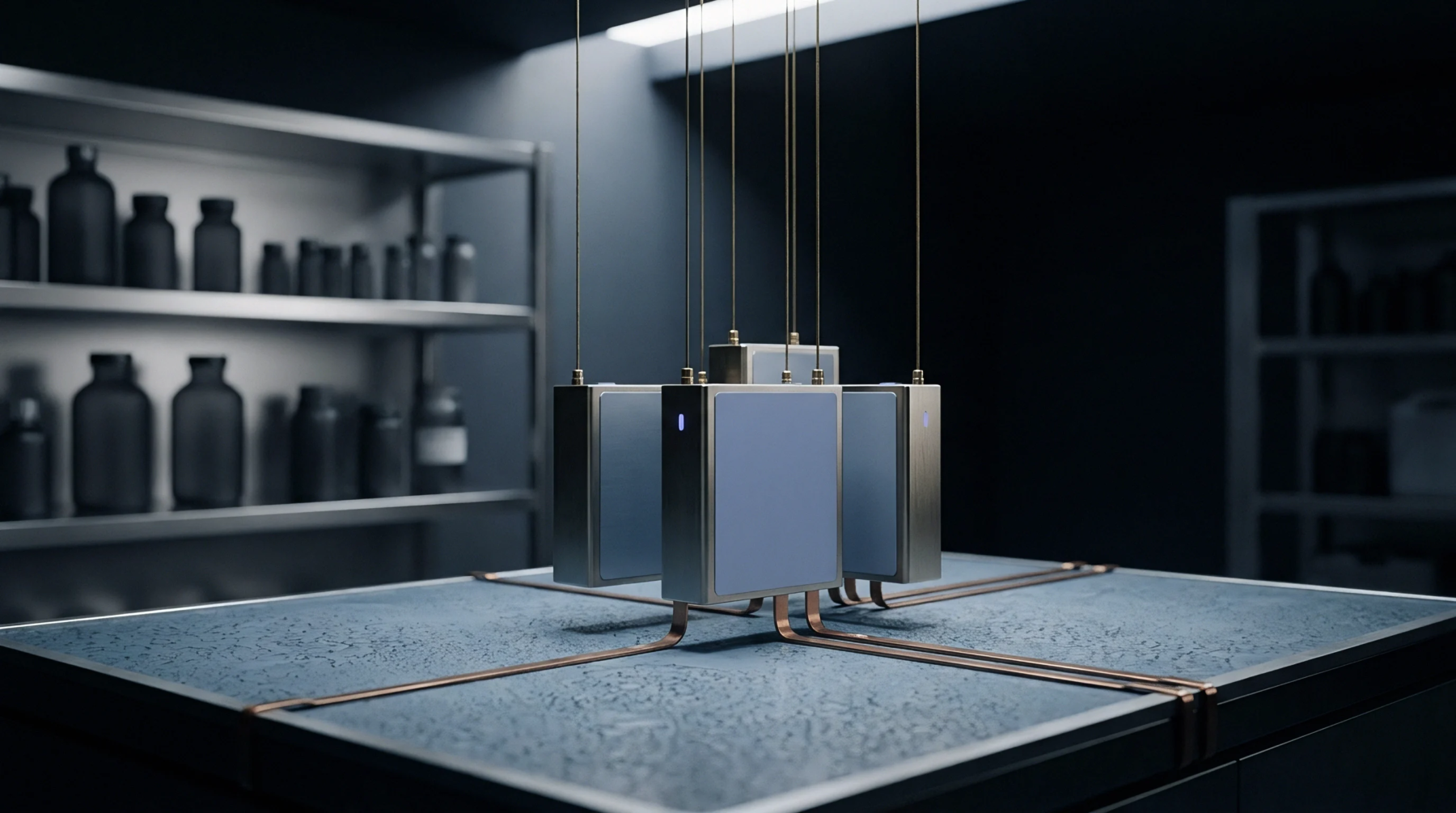
Climate chambers subject cells and battery packs to extreme and rapid temperature changes to simulate the environmental conditions of global transport. This test, designated as thermal cycling T.2, evaluates the integrity of the cell seals and internal connections under extreme thermal stress.
Thermal Profile
Testing chambers hold the cells at seventy-two degrees Celsius for at least six hours before rapidly cooling them to minus forty degrees Celsius. The test sequence repeats this severe cycle ten times during the thermal cycling T.2 procedure. Technicians store the cells for twenty-four hours after the final cycle to check for late-onset failures.
This protocol ensures that battery components can withstand the extreme temperature fluctuations of high-altitude air travel.
Mechanical Stress
Differential expansion of internal materials occurs when different metals and polymers expand or contract at different rates. This stress can cause the outer casing of the cell to rupture or the internal electrical connections to crack. Cells with poor seal integrity will leak electrolyte during thermal cycling T.2, which results in test failure.
Monitoring mass and open-circuit voltage after testing helps identify these structural defects.
Transport Clearance
Sourcing departments require successful test completion under this standard before approving a battery for international distribution. A failure during thermal cycling T.2 prevents the cell model from being transported by commercial freight carriers. This compliance requirement ensures that battery shipments do not fail or leak hazardous chemicals while crossing different climate zones.
Securing this certification is a primary milestone in the product launch schedule.