Meaning
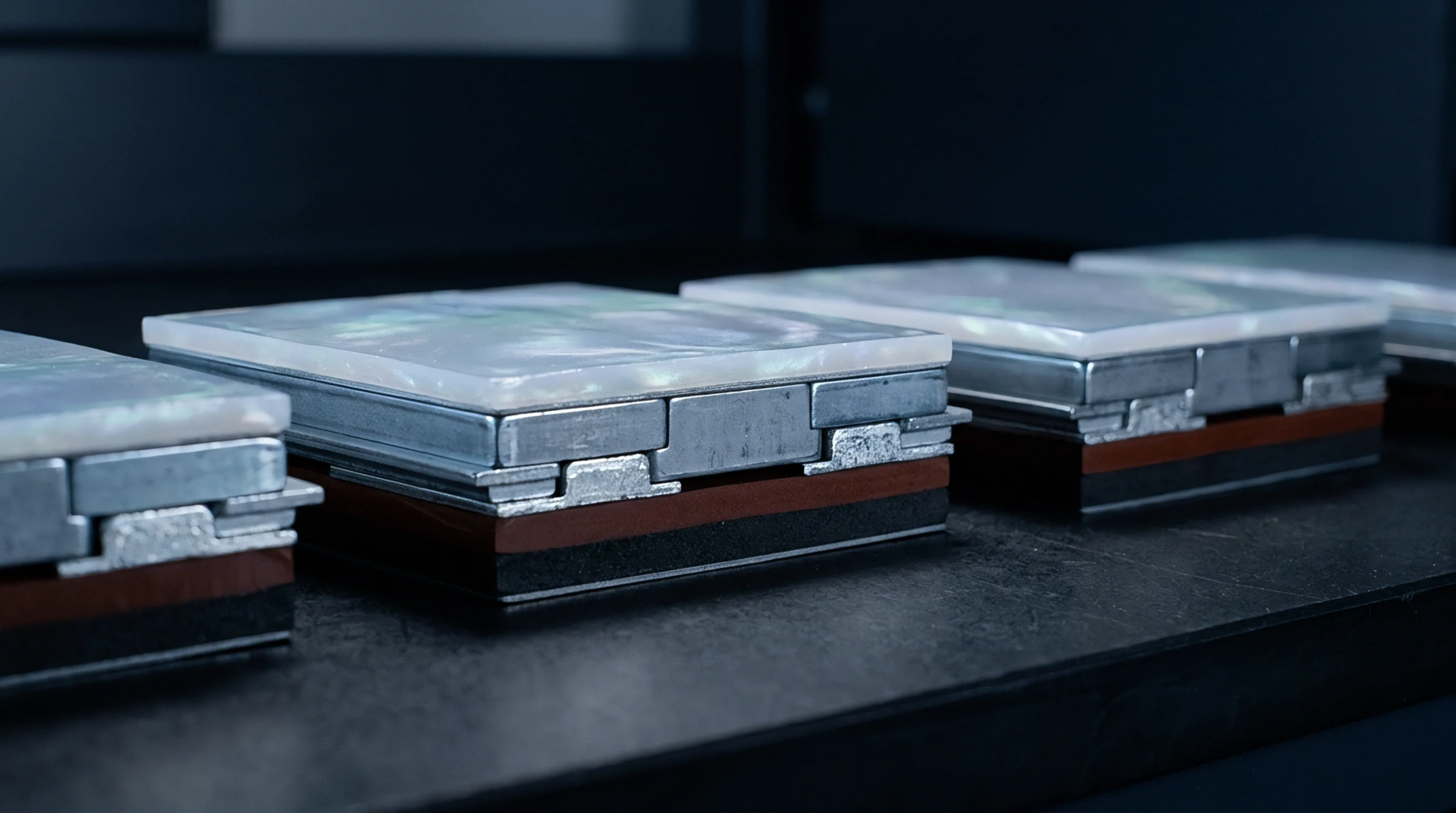
Structural tension rods equipped with temperature-responsive materials adjust their length to keep compressive forces on battery cells constant. This component utilizes materials with specific thermal expansion coefficients to match or counteract the expansion of the battery cells during operation. By compensating for these temperature-induced dimension changes, the rod prevents excessive mechanical stress on the cells at high temperatures and maintains the necessary preload at low temperatures.
This technology is particularly useful in large modules with high-energy pouch cells.
Engineering Mechanism
The rod is typically composed of an inner core and an outer sleeve made from materials with different thermal expansion rates, such as aluminum and steel. As the temperature of the module rises, the differential expansion of these materials causes the joint assembly to adjust the overall tension of the rod. This mechanical feedback loop keeps the compression force within the safe operating window of the cells, preventing damage to the electrodes and the pouch seals.
Performance Benefit
Maintaining a stable pressure across the temperature range prevents the accelerated degradation that occurs when cells are subjected to excessive compression. It also ensures that the thermal contact between the cells and the cooling plates remains consistent, which improves the thermal management of the pack. This design reduces the weight and complexity of the module by eliminating the need for thick, heavy compression springs or complex pneumatic systems.
Supply Chain Strategy
Sourcing this specialized component requires selecting suppliers with expertise in precision machining and materials science. Procurement teams evaluate the thermal and mechanical test data of the rods to ensure they meet the durability requirements of the battery pack.