Meaning
Final quality inspections confirm that completed battery units meet functional specifications before leaving the manufacturing facility. This end of line testing measures critical variables such as internal resistance, open circuit voltage and isolation continuity for pack assemblies. It defines the final verification step where a specific serial number receives either a pass or a fail designation in the production log.
The scope includes low voltage logic checks and high voltage capacity cycles to ensure consistent electrochemical performance. It stops short of destructive evaluation or long term aging cycles reserved for early design validation. These tests happen in a dedicated bay after the final casing is sealed.
Quality Verification
Diagnostic equipment connects to the battery management system to verify communication integrity across the entire module. Because end of line testing catches assembly errors like missing fasteners or loose wire harnesses, the protocol acts as the final barrier against defective units entering the market. Every battery undergoes a brief discharge cycle to confirm the thermal management system functions within expected limits.
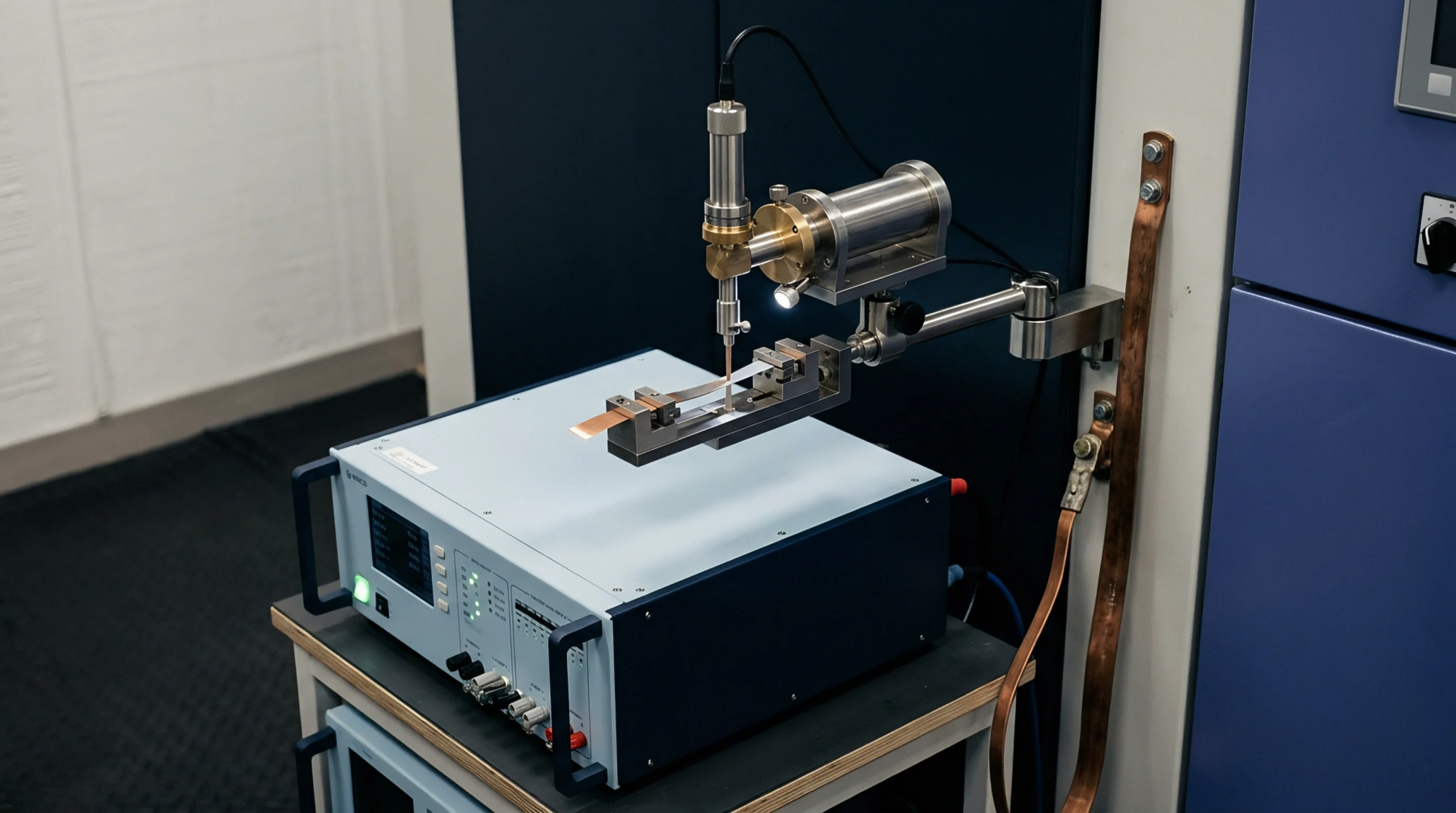
This phase identifies components that might over heat or show early signs of premature failure. Precision measurement equipment logs the electrical characteristics of each cell group. This documentation provides a traceable baseline of health for the future owner.
Reliable performance during these checks confirms that the manufacturing process has successfully finished the task.
Output Validation
Pass or fail decisions depend on the data collected during the final ten minutes of the test sequence. Automated systems conduct end of line testing to remove human bias from the evaluation of joint resistance or voltage stability. When a unit deviates from the target values, it is removed from the shipping queue for further analysis or rework.
This rigor protects the reputation of the supplier by ensuring only identical high quality products reach the warehouse. Operators monitor the cycle times of the test stands to match the exit pace of the main production line. Fast data processing ensures that the inventory remains moving toward the loading docks.
Effective station layout prevents delays during this high speed verification interval.
Safety Logic
Mechanical stability is assessed alongside electrical performance to check for air leaks in sealed enclosures. Conducting end of line testing ensures that the high voltage insulation remains capable of withstanding operational spikes during regular usage. The check confirms that the internal contactors respond correctly to simulated emergency signals from the central pack controller.
Using these protocols eliminates units with potential thermal runaway indicators before they are packaged for transit. The resulting database of performance specs helps engineers identify shifts in tool calibration early. Every pack that exits the floor carries a comprehensive digital birth certificate from this station.
The consistency of these results defines the overall yield of the entire plant.