
Cylindrical Prismatic and Pouch Decisions before Tooling Money Moves
Fix format, compression pads, NRE tooling costs, and BMS regulatory boundaries before signing supply contracts to avoid costly re-tooling and unhedged liability.
Fix format, compression pads, NRE tooling costs, and BMS regulatory boundaries before signing supply contracts to avoid costly re-tooling and unhedged liability.

Shipping defective battery hardware requires Special Provision 376 packaging and surface transport because air carriage is legally blocked for high-risk cells.
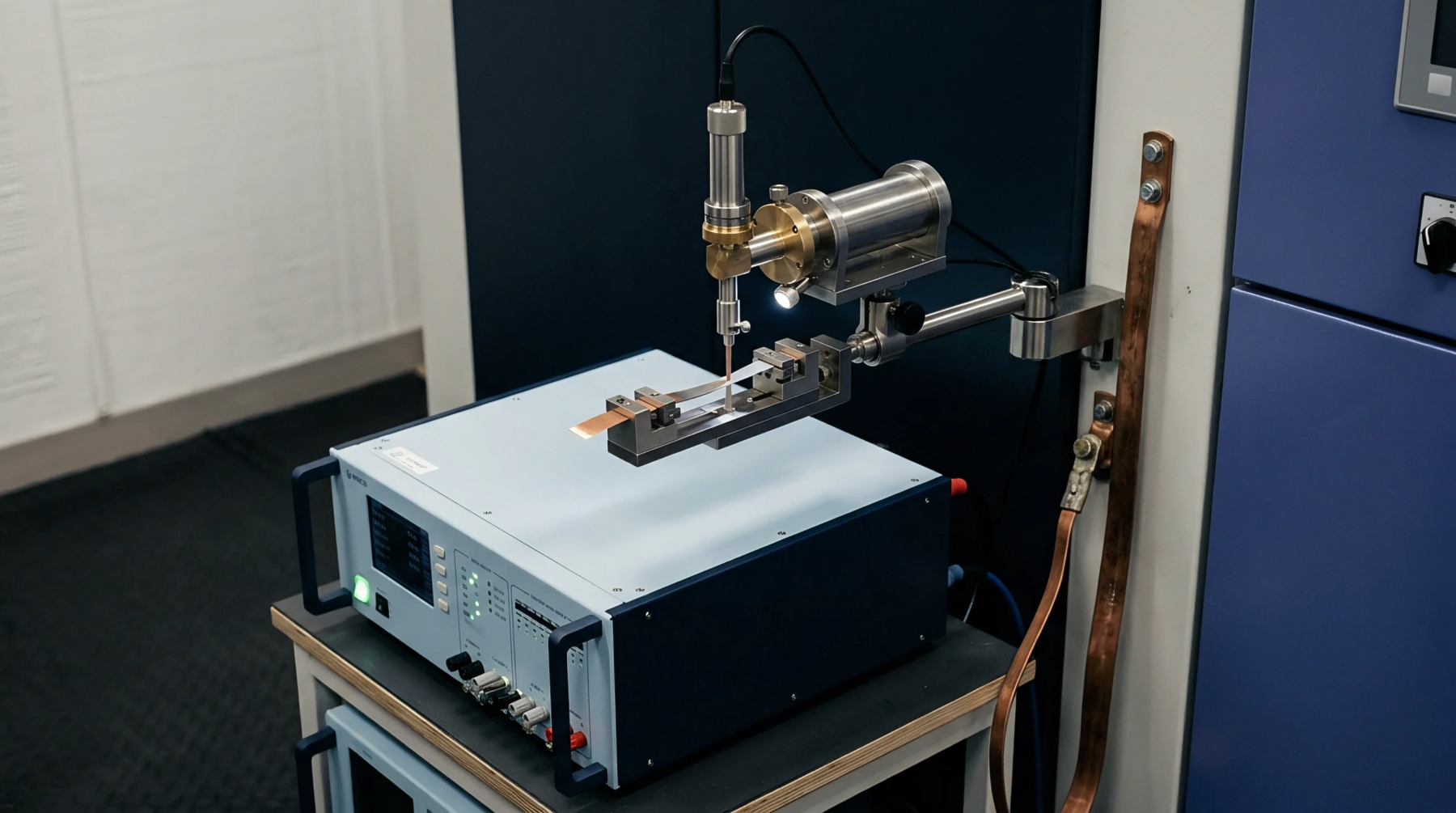
Optimal mechanical constraint extends lithium cell cycle life by suppressing electrode delamination while avoiding separator pore collapse and intergranular cathode fracture
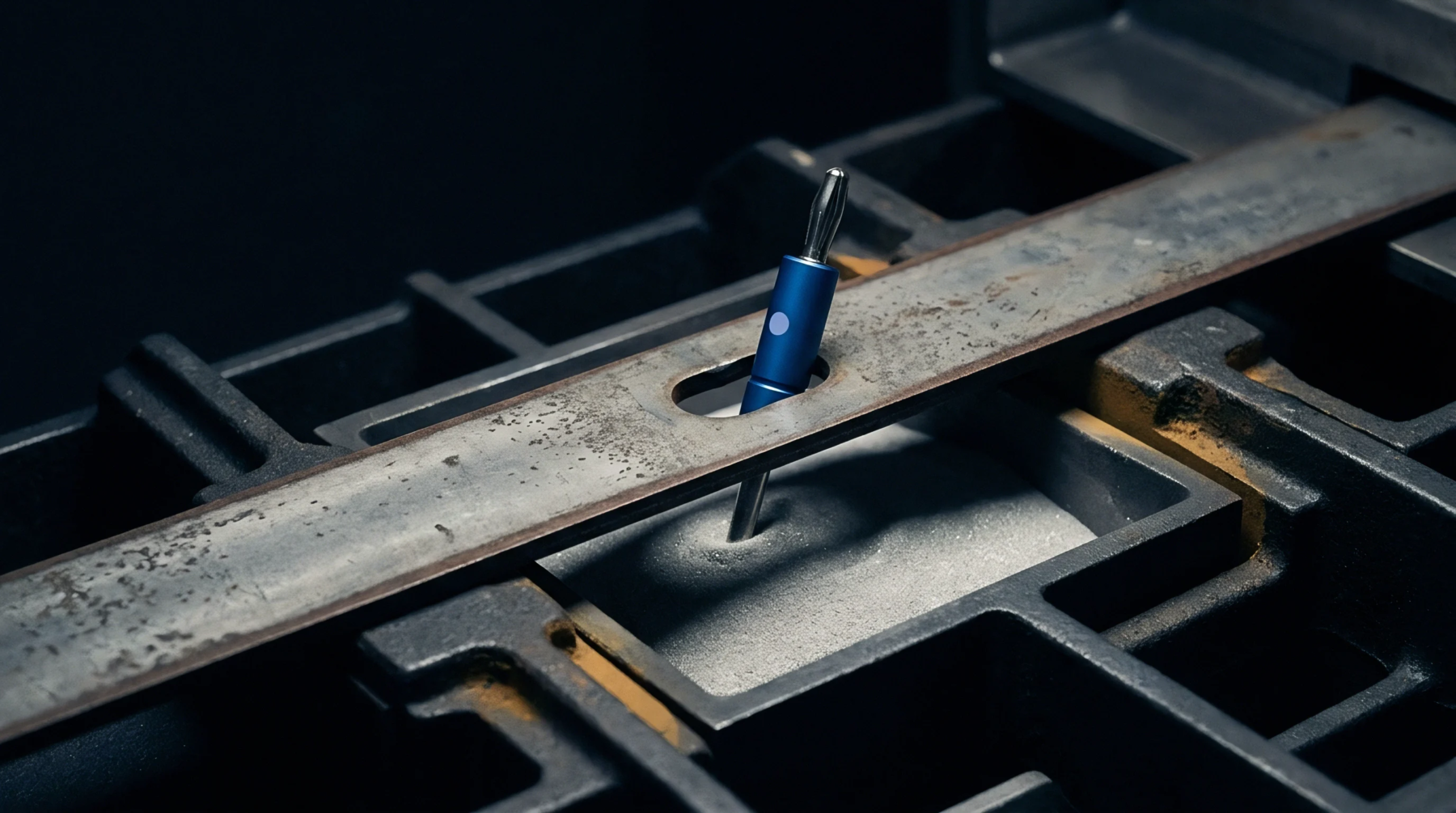
Tightening housing floor machining planarity below 0.2 mm slashes thermal paste volume requirements, preventing multi-million dollar annual BOM overruns.
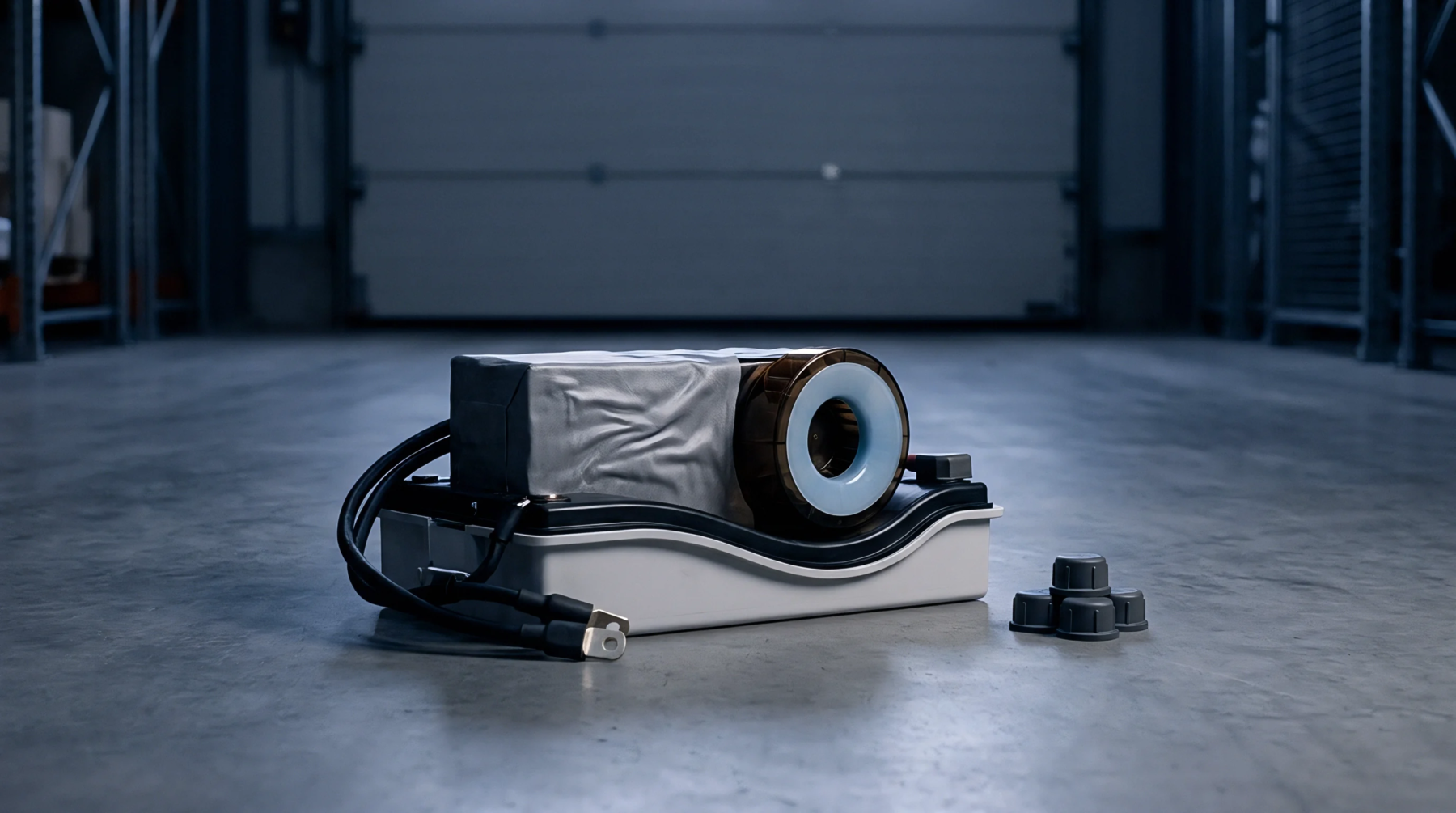
Statutory liabilities for European Union battery storage importers span joint product liability, extended producer responsibility, and customs hold financial risk.

Format selection dictates tooling capital, cooling architecture, and mechanical containment: cylindrical cells minimize stack stress, while prismatic cells maximize spatial fill.

Validating ISO 17025 ILAC accreditation scopes for UN 38.3 test summaries before shipment prevents carrier refusals and port impoundments.

Dynamic drop tower qualification of consolidated battery tubs requires controlling impactor kinetic energy, strain-rate sensitivity, and elastic intrusion limits.

Unit-level UL 9540A test data unlocks reduced ESS clearances when peak heat release stays below 250 kW and target panel radiant flux remains under 1.5 kW/m².

Cross-border market surveillance enforcement targets domestic importers directly, requiring pre-funded bank guarantees and authenticated safety dossiers for recourse.

Prismatic cell initial mechanical preload limits must balance interfacial contact impedance suppression at 0.15 to 0.35 MPa against EOL structural frame stress.

Integrating viscoelastic creep routines into thermomechanical transient solvers predicts separator mechanical collapse thresholds under battery thermal runaway conditions.

Off-the-shelf battery assembly selection requires auditing cell impedance matching, verifying continuous thermal limits, and locking the bill of materials.

Buyers secure full indemnification and third-party laboratory verification before accepting lithium transport summaries to prevent impoundment liabilities.

Cell level UN 38.3 certification does not cover assembled packs; modified multi-cell batteries require independent pack level retesting before transport.

Choosing between cylindrical and prismatic cell formats demands balancing tooling capital, thermal conduction interfaces, and structural face pressure limits.

Stationary storage spatial clearance requires balancing NFPA 855 baseline setbacks against UL 9540A fire test metrics to optimize usable site acreage.
Stationary storage battery CE marking requires mapping voltage rules, passing IEC 62619 safety tests, and selecting Module A or Notified Body routes under EU 2023/1542.
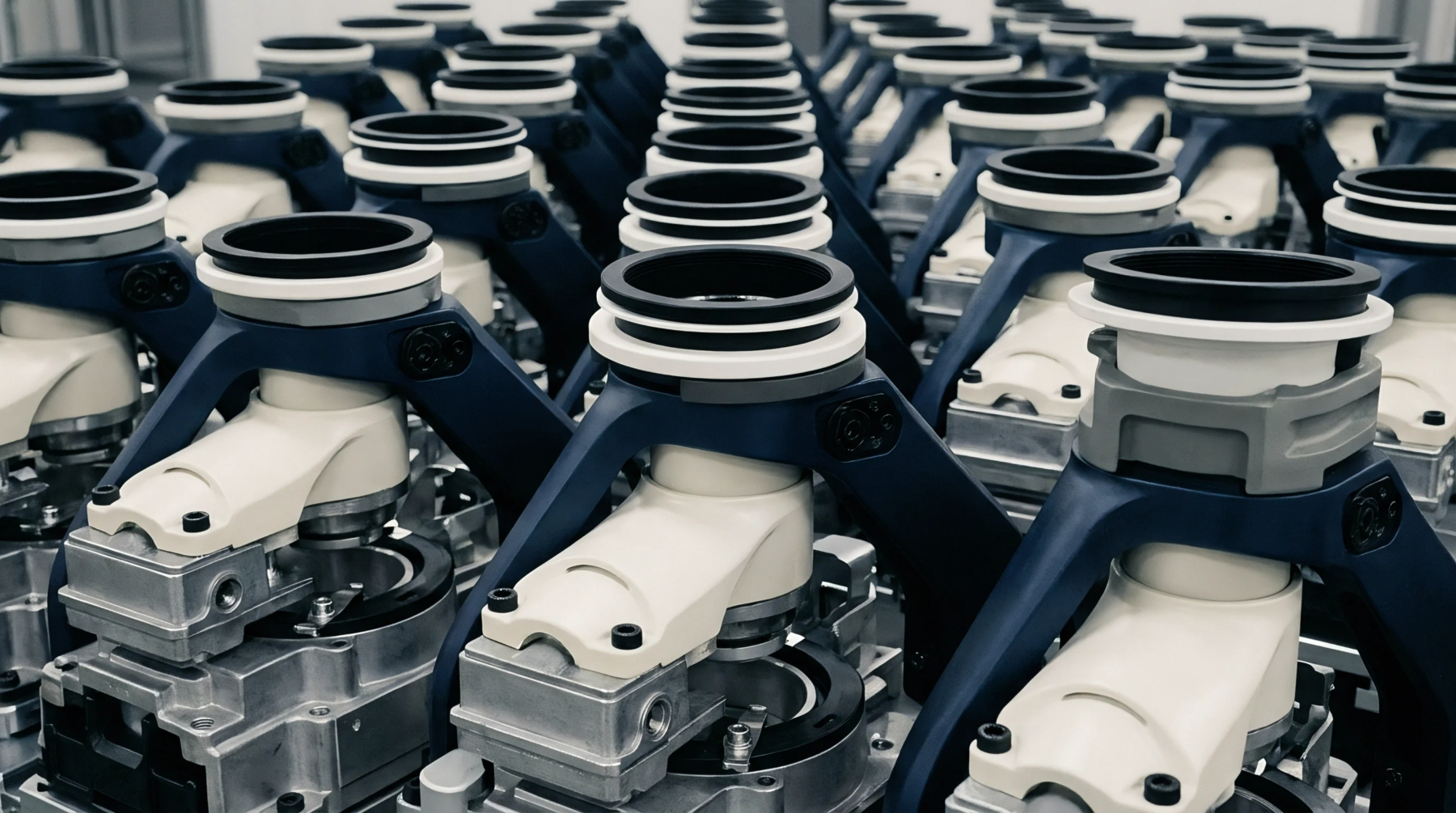
Reconciling module test reports with final pack enclosure safety documentation requires mapping insulation resistance, UN 38.3 metrics, and transport state-of-charge data.

Compressive creep and viscoelastic stress relaxation in thermal interface materials drop contact pressure, triggering thermal impedance spikes across battery plates.

Importers lower hazardous cargo clean-up liability by structuring purchase escrows and drafting explicit hazardous waste indemnities.
Dynamic voltage drift screening at elevated temperature separates benign chemical decay from dangerous internal micro-shorts in received lithium cell lots.

Verify cell voltage stability after relaxation to certify thirty percent state of charge limits on dangerous goods ocean shipping manifests.

Sustained compressive strain causes thermal interface creep, reducing contact pressure and raising seam thermal resistance over battery storage operating lifespans.

Anisotropic jellyroll resistance demands edge-aligned cooling, verified stack pressure, and strict batch-level thermal screening to prevent premature core fade.

Iron dendrite micro shorts drive exponential voltage decay detectable through multi-week K-value screening, mitigating thermal runaway in warehouse storage.

Solute trapping boundaries in atomized silicon powders fix second-phase spacing, dictating cell swelling limits and contract format liability.

Maintain beginning of life cell preload between 0.08 and 0.15 MPa to prevent electrode delamination while preventing separator collapse and end plate deformation.

Localized current maldistribution accelerates lithium plating and premature fade; mitigate exposure through strict dV/dQ screening and tab design warranties.

UN 38.3 compliance mandates verified T.1-T.8 testing, complete ten-point test summaries, and modal packaging discipline for legal intermodal cell transit.
Expertise is a utility, not a secret. sentiention™ publishes its working knowledge as open reference: intelligence layer covering the materials it sources, the markets it enters, and the reference that serves both.