Predictive Coupled Multi-Scale Electrochemical Thermal Degradation Modeling for Frozen Solid-State Lithium Intercalation Dynamics
Subzero solid-state intercalation demands strict charging derating below critical current density thresholds to prevent interfacial voiding and dendrite growth.
Impedance
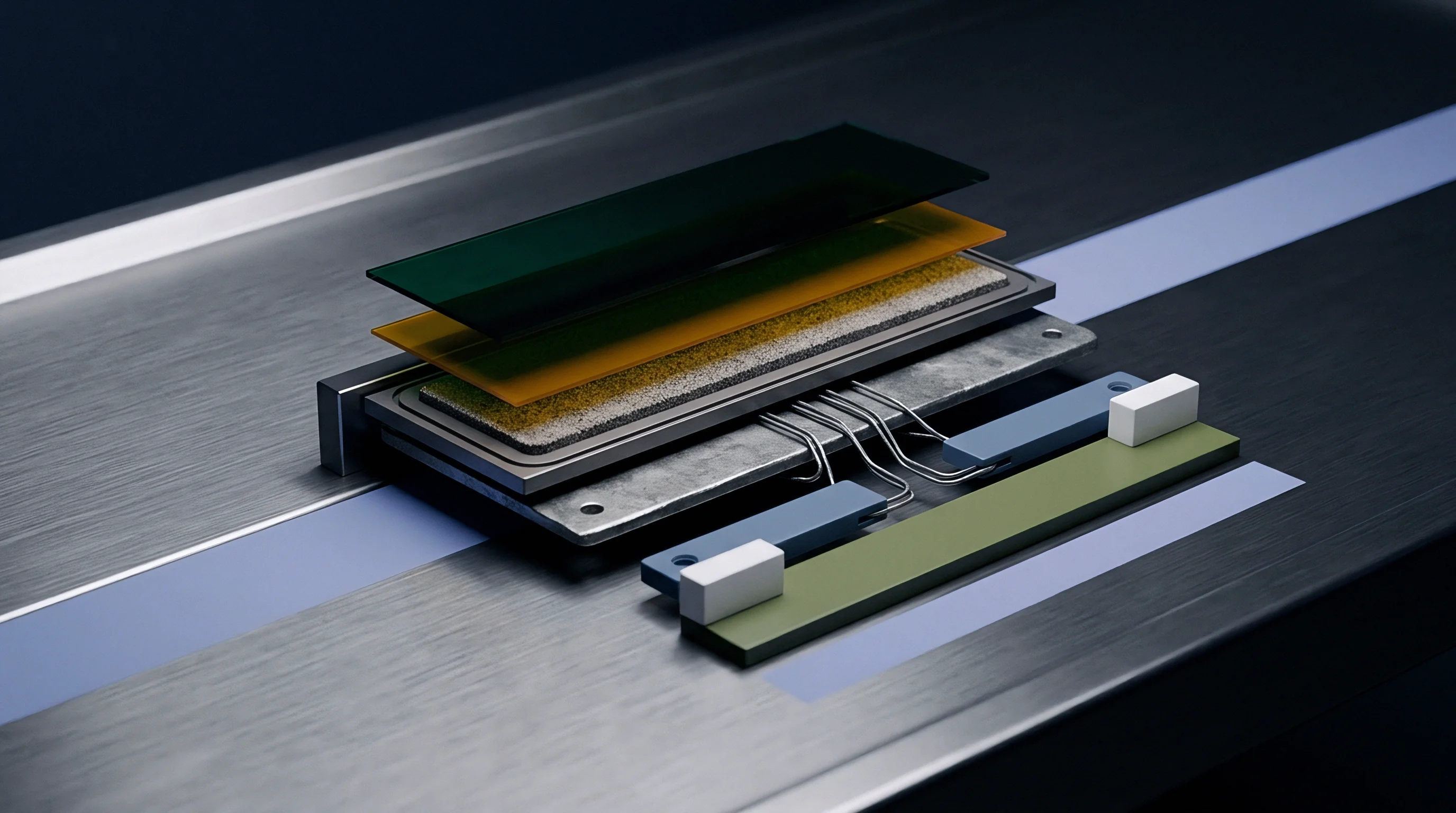
At -30 degrees Celsius, a 3.2-volt, 20 ampere-hour sulfide-based solid-state cell on an environmental test channel produces a high-frequency electrochemical resistance loop spanning two orders of magnitude beyond room-temperature baselines. Cryogenic temperatures suppress bulk ion mobility in inorganic crystal lattices while freezing the rearrangement of active material interfaces. At subzero thresholds, active species sink into deep potential wells, driving up both ohmic and charge-transfer contributions to total cell polarization.
Passing drive currents through frozen ceramic matrices pits localized Joule heating against subzero heat sinking, creating steep thermal gradients across particle boundaries.
Solid-state battery architectures replace liquid organic solvent mixtures with solid ionic conductors such as Argyrodite lithium phosphorus sulfur chloride (Li6PS5Cl), garnet lithium lanthanum zirconium oxide (LLZO), or sodium superionic conductor type phosphates. Ionic conductivity across Argyrodite grains plunges from 2.4 millisiemens per centimeter at 20 degrees Celsius to less than 0.04 millisiemens per centimeter at -30 degrees Celsius, limited by Arrhenius activation barriers exceeding 0.38 electron-volts. Cathode composite structures compound these losses.
Cryogenic impedance spectra separate solid electrolyte bulk resistance from interfacial charge transfer without ambiguous intermediate relaxation slopes.
Composite positive electrodes press active intercalation materials, solid electrolyte separators, and conductive carbon additives into dense microstructures. Subzero lithium intercalation into polycrystalline nickel-manganese-cobalt oxide (NMC 811) requires direct insertion across solid-solid phase boundaries without a desolvation step. Lattice contraction, mechanical separation, and debonding contract the active contact area.
As interfacial tortuosity rises, cryogenic current collectors encounter disproportionately high local current densities that induce localized solid electrolyte reduction alongside rapid capacity fading.
| Electrolyte Chemistry | Bulk Conductivity at 25°C (mS/cm) | Bulk Conductivity at -30°C (mS/cm) | Activation Energy (eV) | Interface Resistance at -30°C (Ω·cm²) |
|---|---|---|---|---|
| Li6PS5Cl (Argyrodite) | 2.45 | 0.038 | 0.39 | 412 |
| Li10GeP2S12 (LGPS) | 11.20 | 0.120 | 0.28 | 680 |
| Li1.5Al0.5Ti1.5(PO4)3 (NASICON) | 0.70 | 0.002 | 0.45 | 1850 |
| Li7La3Zr2O12 (Doped Garnet) | 0.85 | 0.005 | 0.42 | 2400 |
Isothermal impedance spectroscopy between -40 degrees Celsius and -10 degrees Celsius shows high-frequency arcs tied to bulk electrolyte and grain boundary resistance, while depressed mid-frequency arcs track the sluggish charge-transfer kinetics across frozen electrode interfaces.
Overpotential
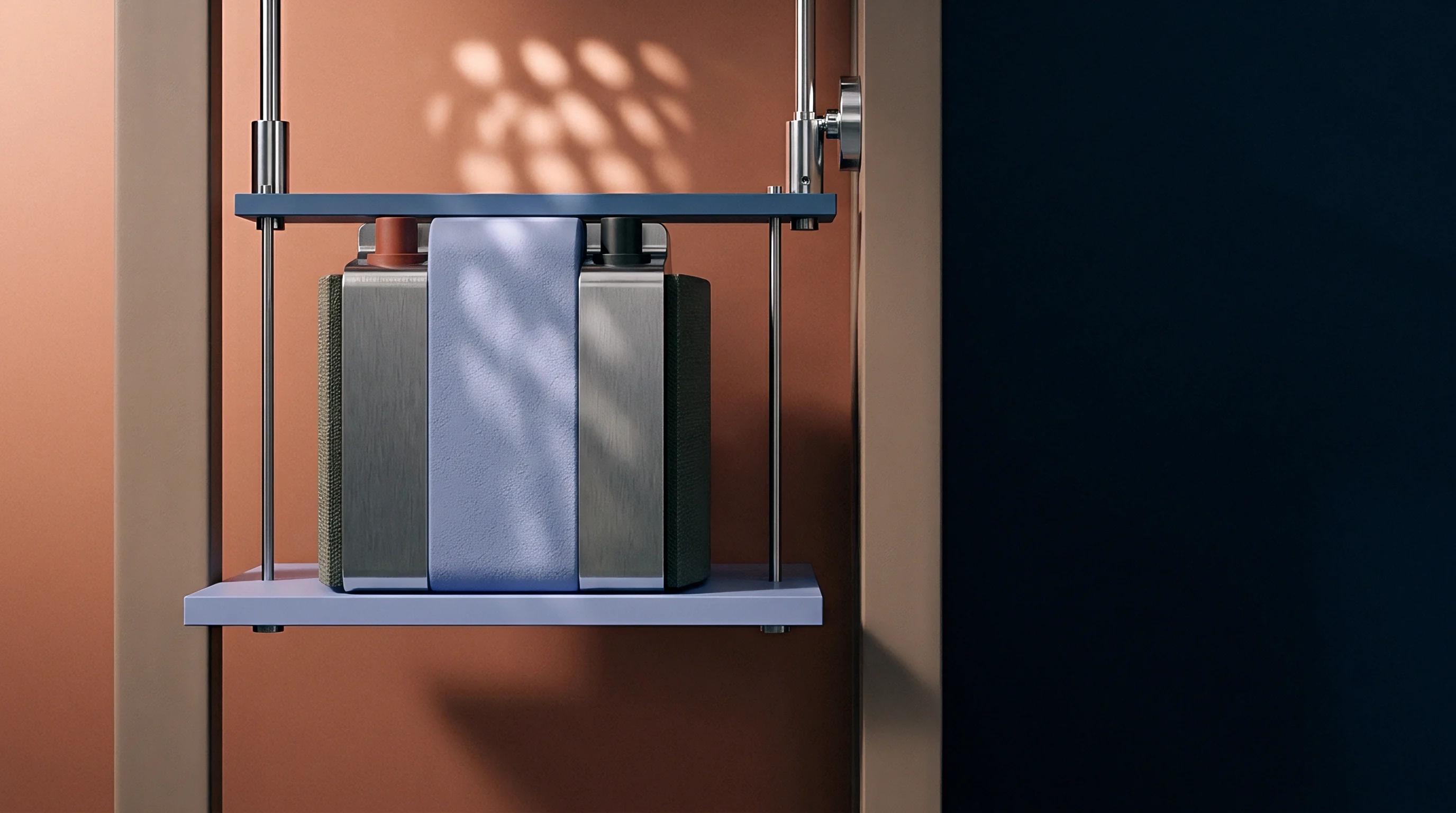
Cell polarization spikes once charge or discharge regimes initiate below the freezing point of ambient moisture. When transport rates lag behind current demand, overpotential causes severe structural distortion within intercalation hosts. Subzero duty creates asymmetric behavior in solid-state lithium metal cells: stripping lithium from the negative foil leaves microscopic cavities behind, while lithium deposition concentrates mechanical stress that fractures brittle separator surfaces.
At ambient room temperatures, metallic lithium creeps under external mechanical pressure to replenish vacancies created during high-rate stripping. Subzero exposure raises the yield strength and shear modulus of metallic lithium past 180 megapascals, halting plastic creep. Vacancies formed during low-temperature discharge persist into subsequent cycles, concentrating electric fields at the remaining contact perimeters.
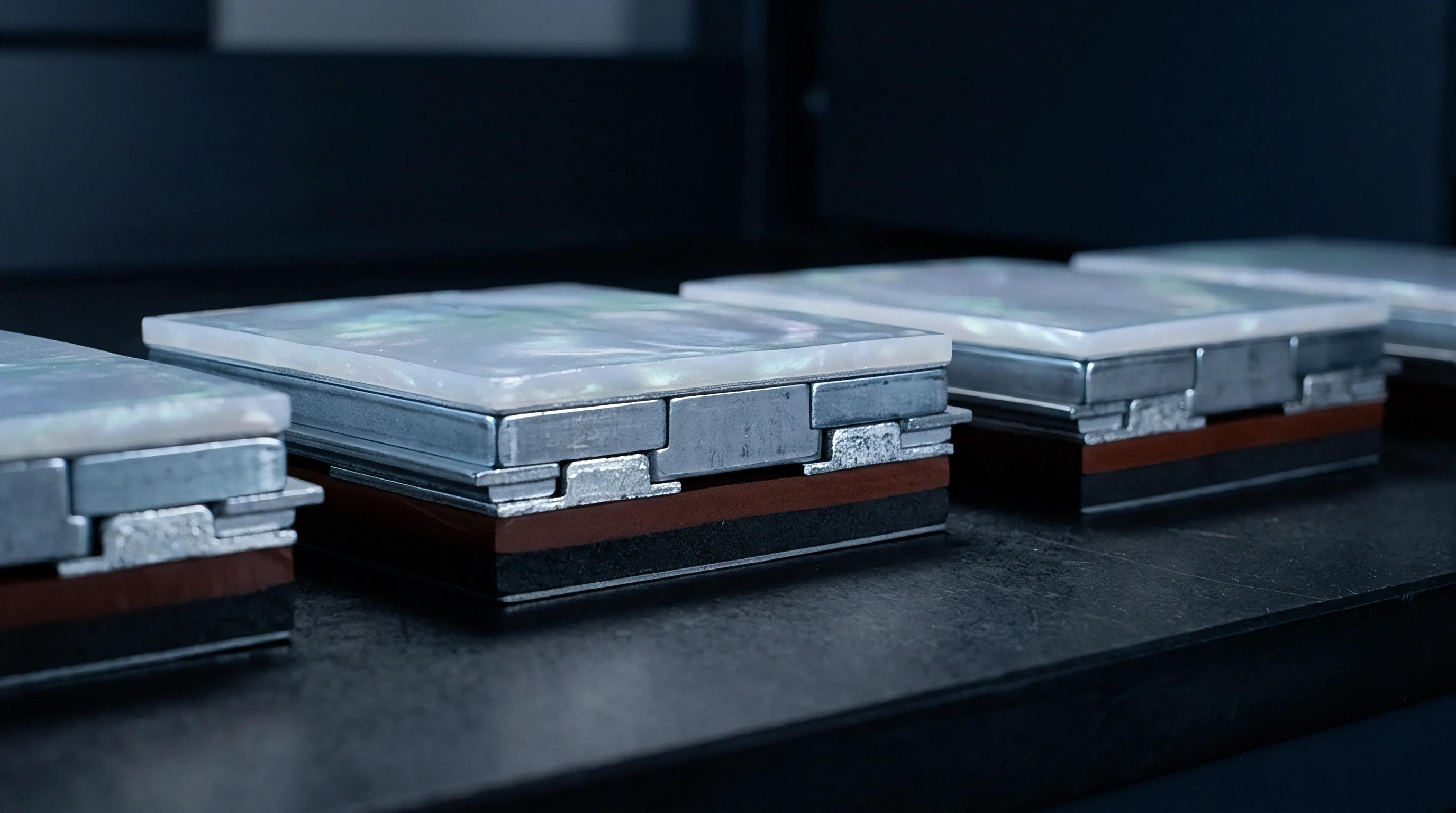
Which Boundary Governs Cryogenic Stripping?
At the negative electrode solid-electrolyte boundary, lithium dissolution forms vacancy clusters whenever stripping outpaces backward lithium diffusion from the bulk metal reservoir. The critical current density for void creation drops from 3.5 milliamperes per square centimeter at 25 degrees Celsius to 0.08 milliamperes per square centimeter at -25 degrees Celsius. Intercalation dynamics inside the positive composite cathode degrade just as severely.
During lithium deintercalation, solid oxide particles contract along their c-axis lattice parameters, pulling away from the rigid solid electrolyte matrix.
Lithium stripping at -30 degrees Celsius under 5 megapascals stack pressure generates critical current density limits below 0.18 milliamperes per square centimeter before interfacial voiding initiates.
Several distinct structural breakdown modes accelerate under these cold coupled conditions:
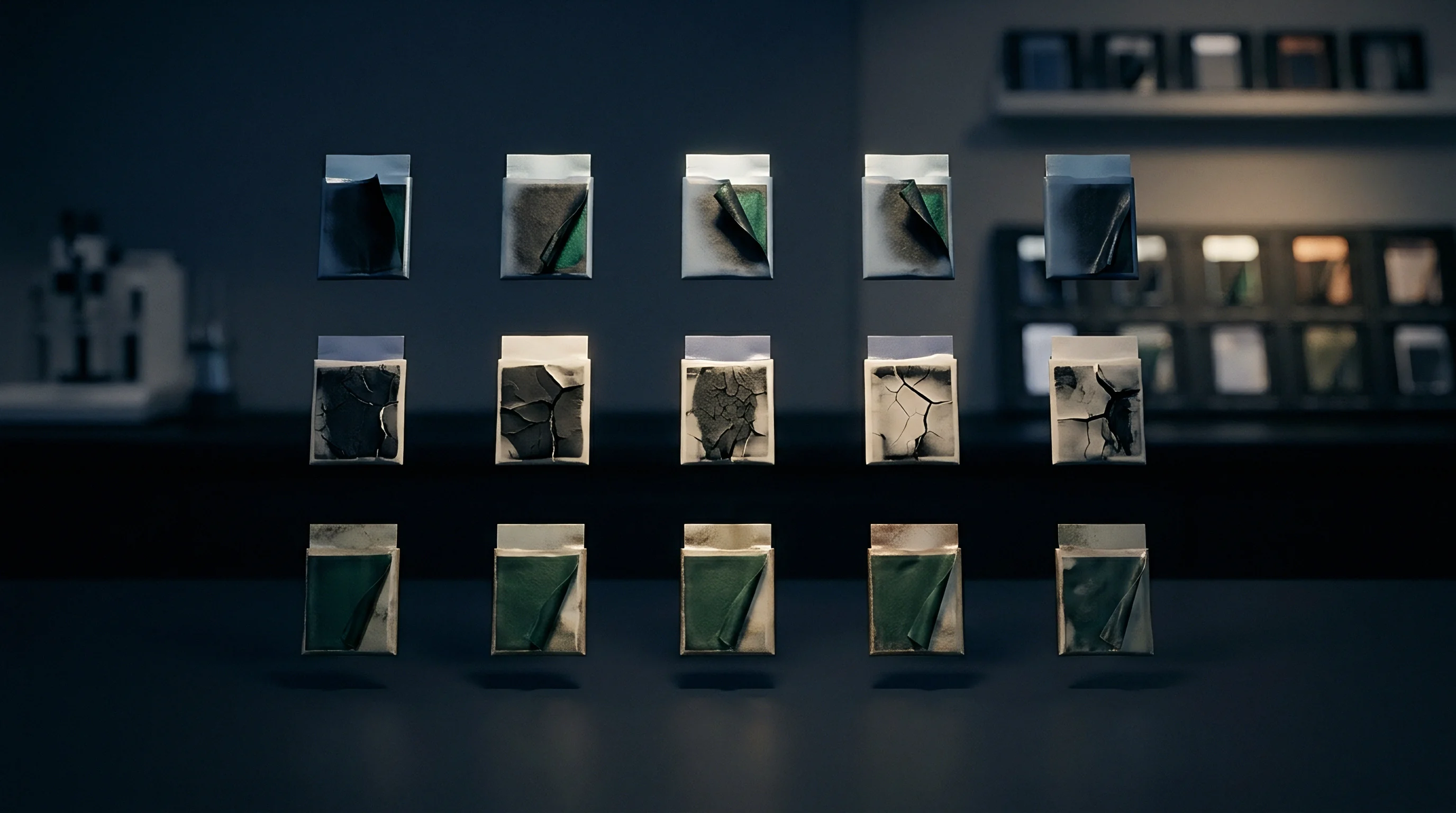
- Interfacial voiding occurs when localized metal dissolution rates exceed the self-diffusion capacity of lithium metal, isolating substantial active areas from the circuit.
- Intragranular separator cracking develops where high electric fields nucleate microcracks along sulfide grain boundaries under severe cryogenic mechanical constriction.
- Cathode chemomechanical fracture separates active nickel-rich oxide particles from solid electrolyte conduits, causing permanent impedance step-increases within fifty cycles.
- Non-uniform plating forces electrodeposited lithium dendrites through pre-existing micro-flaws during cold regeneration regimes, creating short circuits.
Subzero charging overpotentials exceeding 250 millivolts trigger electro-chemo-mechanical instabilities that accelerate thermal degradation as current concentrates along grain boundaries. Whether localized Joule heating can safely re-soften interfacial contact without triggering runaway along fractured ceramic grains remains an open question in low-temperature solid-state design.
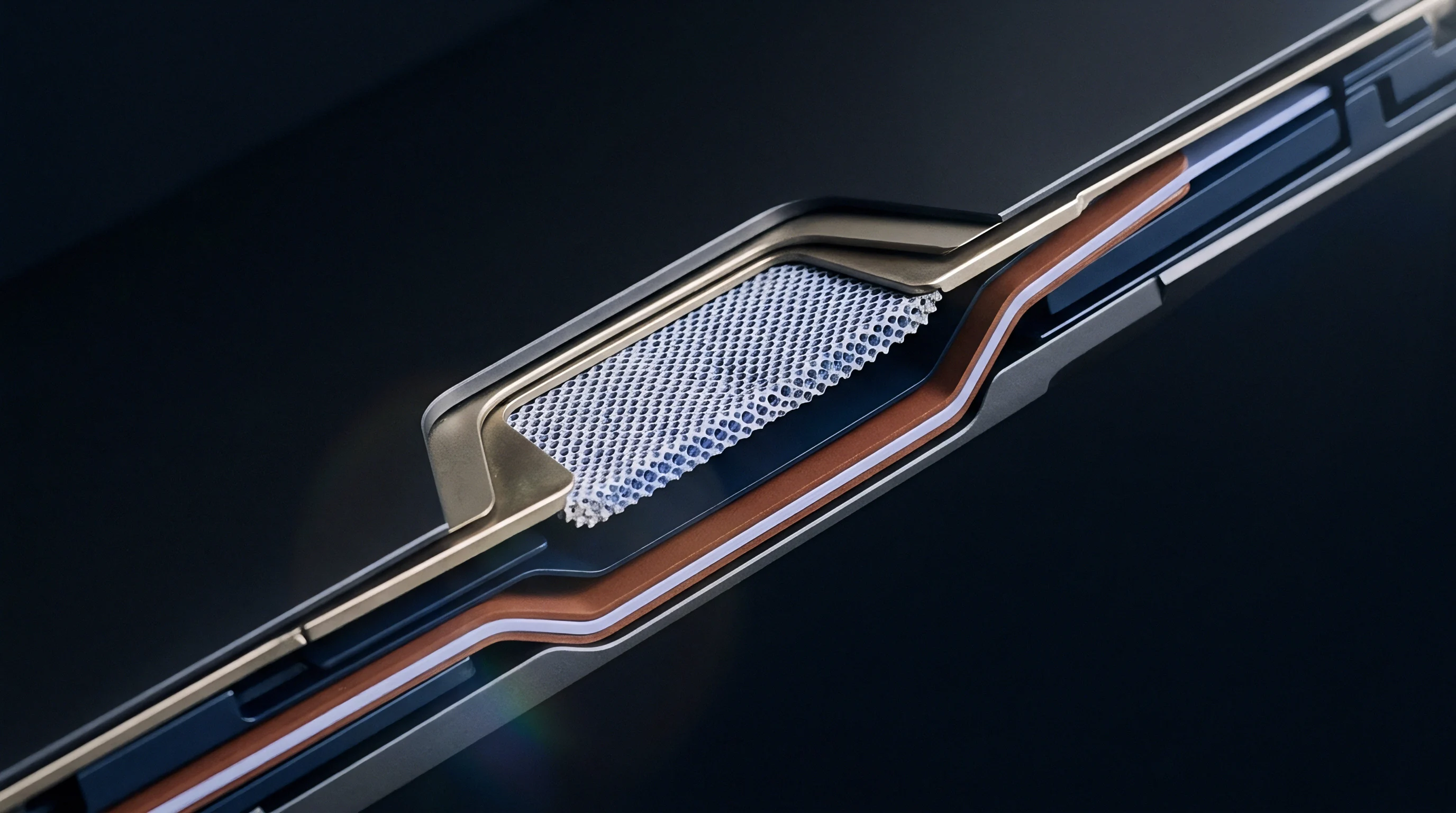
Clamp
Mechanical stack pressure dictates contact resistance across solid interfaces. External compression fixtures maintain intimate contact between rigid solid electrolyte separators and active electrode layers as cell components expand and contract. Standard room-temperature module designs incorporate fixed spring clamps calibrated to deliver between 3 and 8 megapascals of stack pressure.
Cold soak environments shrink thermal expansion shims, relaxing bolt tension precisely when lithium hardness spikes.
A subzero incoming inspection audit verifies mechanical integrity through a set sequence:
- Mount the solid-state cell into an environmental chamber fixture equipped with load cells and piezoresistive pressure mapping film.
- Cool the fixture to -35 degrees Celsius at a controlled rate of 0.5 degrees per minute to replicate standard shipping or storage cold-soak regimes.
- Record total clamping load retention after an eight-hour thermal equilibration dwell.
- Apply a low-rate 0.05C diagnostic discharge pulse to isolate contact impedance shifts from thermal shrinkage artifacts.
- Disassemble the cell housing inside an argon glove box to scan active foil surfaces for uneven mechanical indentation or corner buckling.
Solid electrolyte stiffness amplifies local current constriction whenever thermal contraction outpaces spring compliance. Without dynamic load-compensating springs, static bolts lose more than forty percent of their nominal clamping force at -30 degrees Celsius due to differential thermal contraction between steel casings, aluminum current collectors, and ceramic membranes.
Model
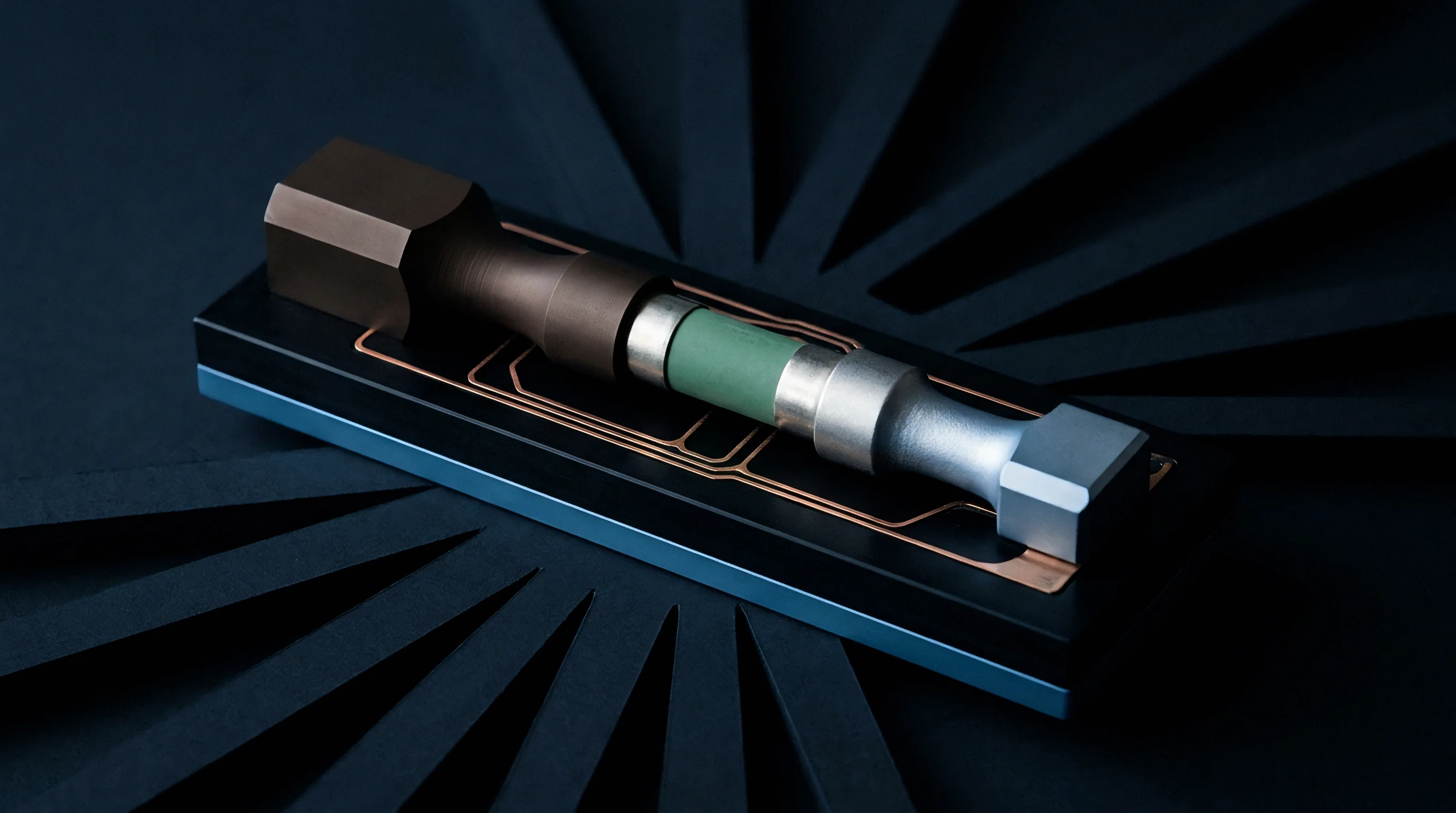
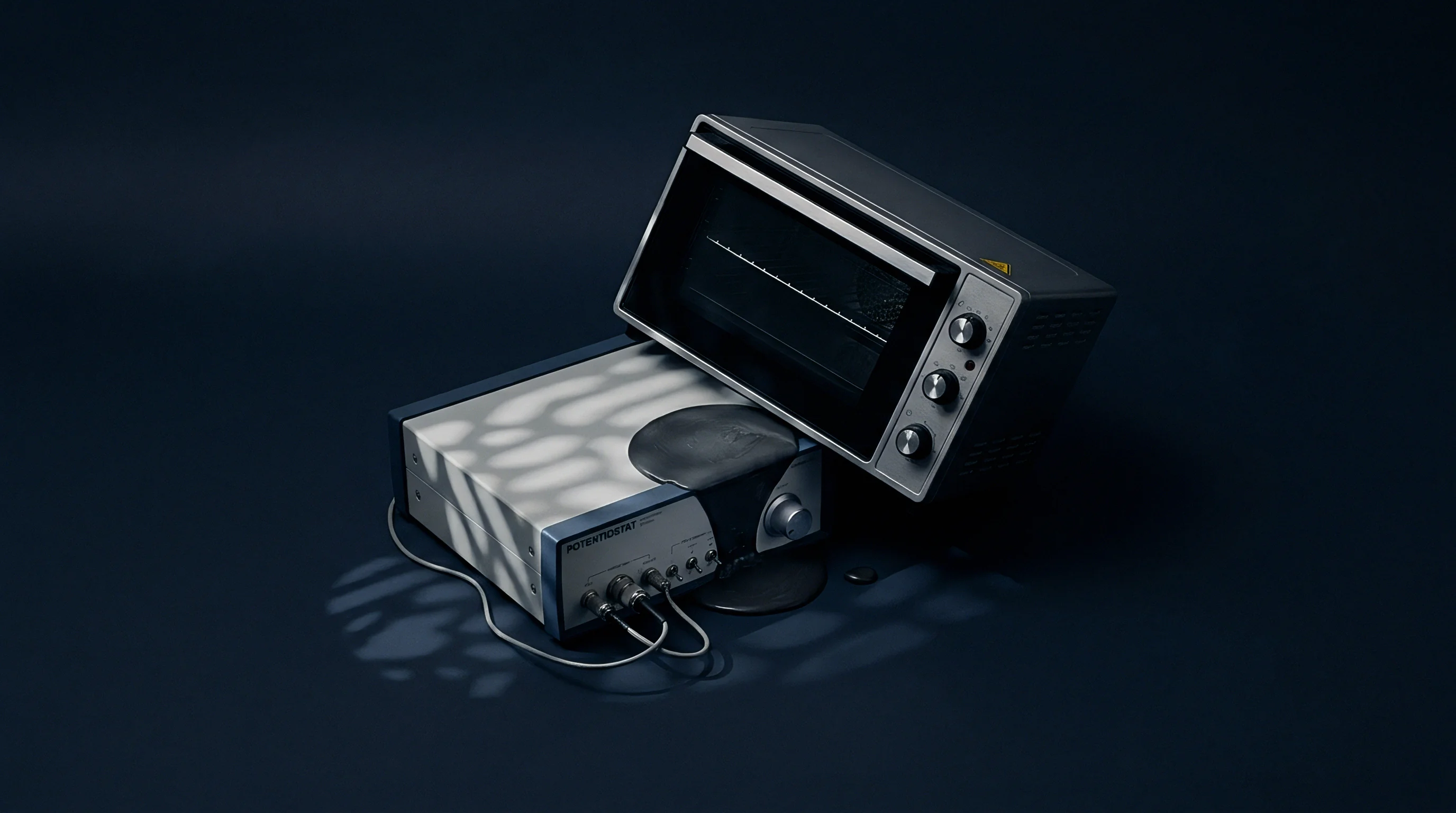
Multi-scale degradation models couple microscopic electrochemical kinetics, continuum-level heat generation, and microstructural mechanics across operational temperatures. Governing formulations integrate three interconnected domains: subzero Butler-Volmer charge transfer kinetics governed by Arrhenius-modified exchange current densities, mass conservation equations tracking lithium diffusion through frozen active particles, and transient heat conduction balancing internal Joule heating against subzero ambient dissipation.
| Parameter Metric | Baseline Value (25°C) | Cryogenic Value (-30°C) | Degradation Sensitivity Exponent | Critical Threshold |
|---|---|---|---|---|
| Lithium Metal Shear Modulus (MPa) | 3.4 | 8.6 | 1.45 | 7.0 MPa |
| Solid Electrolyte Fracture Toughness (MPa·m^0.5) | 0.24 | 0.26 | 0.08 | < 0.15 MPa·m^0.5 |
| Lithium Bulk Diffusivity (cm²/s) | 1.2e-11 | 3.1e-14 | 2.80 | < 1.0e-13 cm²/s |
| Interface Exchange Current Density (mA/cm²) | 1.85 | 0.012 | 2.35 | < 0.050 mA/cm² |
| Methods note: Measured values derived via symmetrical Li/Li6PS5Cl/Li and NMC811 composite electrode button cells under 5.0 MPa stack pressure following isothermal holding at 0.1 mHz to 1.0 MHz AC frequency. | ||||
Will Interfacial Voids Trigger Filament Runaway?
Local current concentration factors dictate whether metallic filaments bridge the solid separator during cold recharge, as current shifts through remaining contact points when voiding shrinks interfacial contact area.
Consider a 20 ampere-hour pouch cell featuring a lithium phosphorus sulfur chloride (Li6PS5Cl) solid electrolyte and a nickel-manganese-cobalt (NMC 811) composite cathode operating at -20 degrees Celsius. With a nominal cell area of 800 square centimeters, a 0.1C rate charging cycle draws an average current density of 0.25 milliamperes per square centimeter. At room temperature, this current density represents seven percent of the critical current density threshold.
At -20 degrees Celsius, however, the critical threshold drops to 0.14 milliamperes per square centimeter under 5 megapascals of stack pressure.
Because the average applied current density of 0.25 milliamperes per square centimeter surpasses the cryogenic threshold of 0.14 milliamperes per square centimeter, vacancy accumulation at the interface outpaces replenishment. Active contact area recedes by 60 percent within twelve hours of continuous operation. Effective current density passing through surviving contact patches accelerates to 0.62 milliamperes per square centimeter, four times the localized nucleation threshold for metallic lithium filaments.
Coupled thermal generation equations calculate localized heating from the volumetric sum of irreversible ohmic dissipation, charge-transfer overpotentials, and reversible entropic heat changes:
q_dot = I (V_ocv – V_cell) – I T (partial V_ocv / partial T) + q_contact
Inside the frozen composite cathode, solid-state lithium diffusivity in NMC 811 drops from 1.0e-10 square centimeters per second at 25 degrees Celsius to 8.5e-13 square centimeters per second at -20 degrees Celsius. Fickian diffusion models show surface lithium reaching stoichiometric saturation within forty seconds of charge initiation, causing cell voltage to trip low-temperature cutoffs prematurely. Thermal runaway risk persists if cold dendrites touch internal cathode matrices during subsequent warm-up phases.
Omitting coupled mechanical-thermal feedback loops from cell degradation models causes warranty projections to underestimate pack failure rates by more than four hundred percent over typical warranty lifecycles.
Settlement
Procurement dossiers must reflect cold electrochemical realities before high-volume commercial commitments close. Standard cell datasheets feature attractive room-temperature cycling envelopes that conceal severe performance cliffs below zero degrees Celsius.
IEC 62660-3 cold-temperature endurance qualification voids manufacturer warranty liability whenever cell operating records register fast charging beneath -15 degrees Celsius.
Subzero solid-state procurement specifications require explicit commercial warranties and technical verification gates:
- Cryogenic critical current thresholds define the maximum allowable charging current across continuous temperature increments between -40 degrees Celsius and 0 degrees Celsius.
- Mechanical stack retention guarantees obligate cell vendors to validate that internal active layers maintain interfacial contact pressures under three-year thermal cycling profiles.
- Electrochemical impedance acceptance bands mandate batch-level boundary checks on mid-frequency resistance growth following twenty subzero storage cycles.
- Accelerated microcrack screening criteria set acoustic emission and ultrasonic scanning limits to identify separator micro-defects prior to lot signoff.
Field failures multiply rapidly when thermal modeling fails to capture physical interfacial realities. Sourcing contracts governed by standard trade provisions bind buyers to landed invoice balances unless technical schedules explicitly condition final commercial acceptance on verified subzero current density boundaries verified under IEC 62660-3 environmental endurance test sequences.