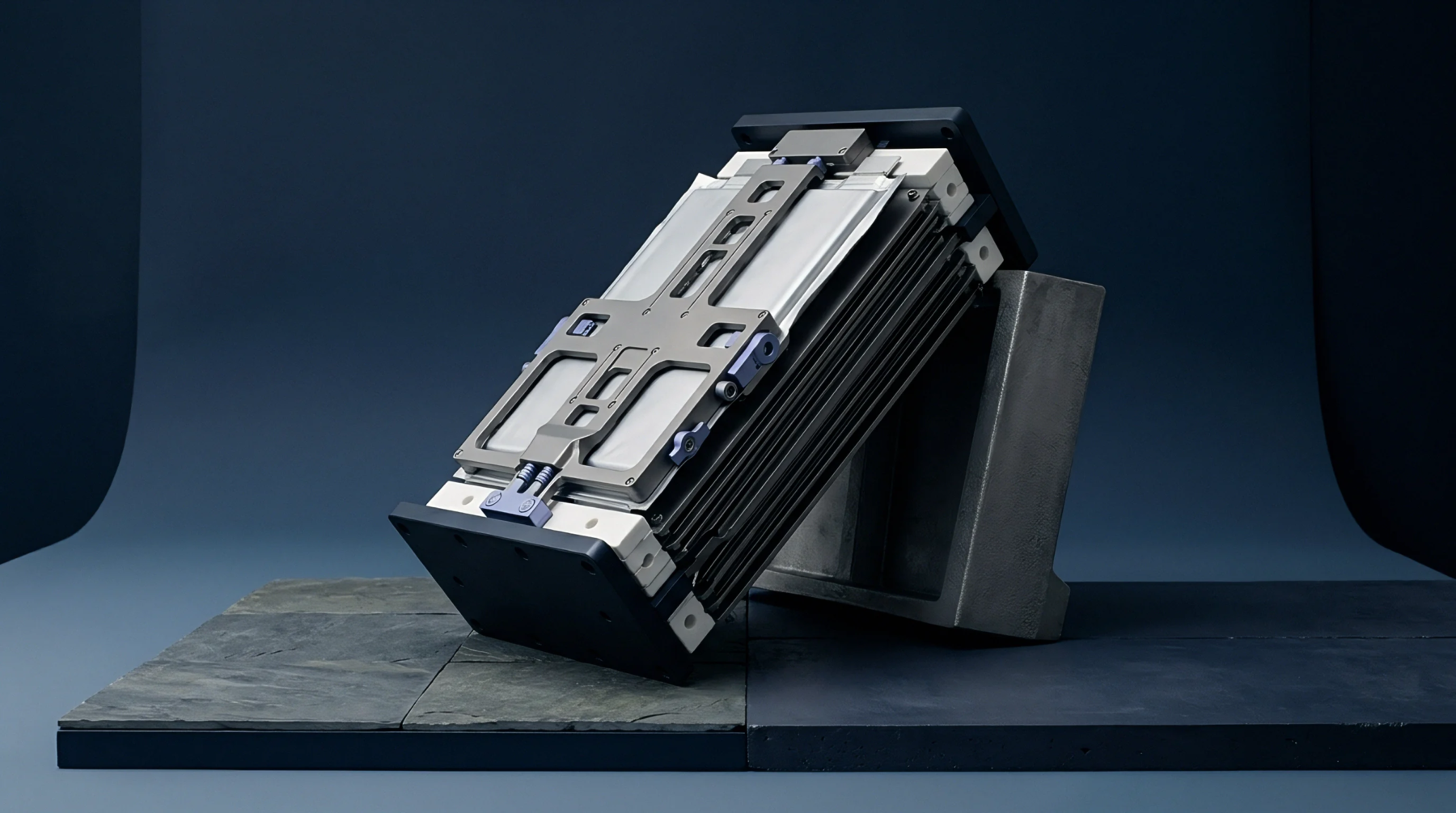
Solid State Cell Thermal Compression Tooling Dynamics
Dynamic thermal compression tooling must maintain active force control within tight limits to compensate for solid-state cell breathing and thermal expansion.
Dynamic thermal compression tooling must maintain active force control within tight limits to compensate for solid-state cell breathing and thermal expansion.
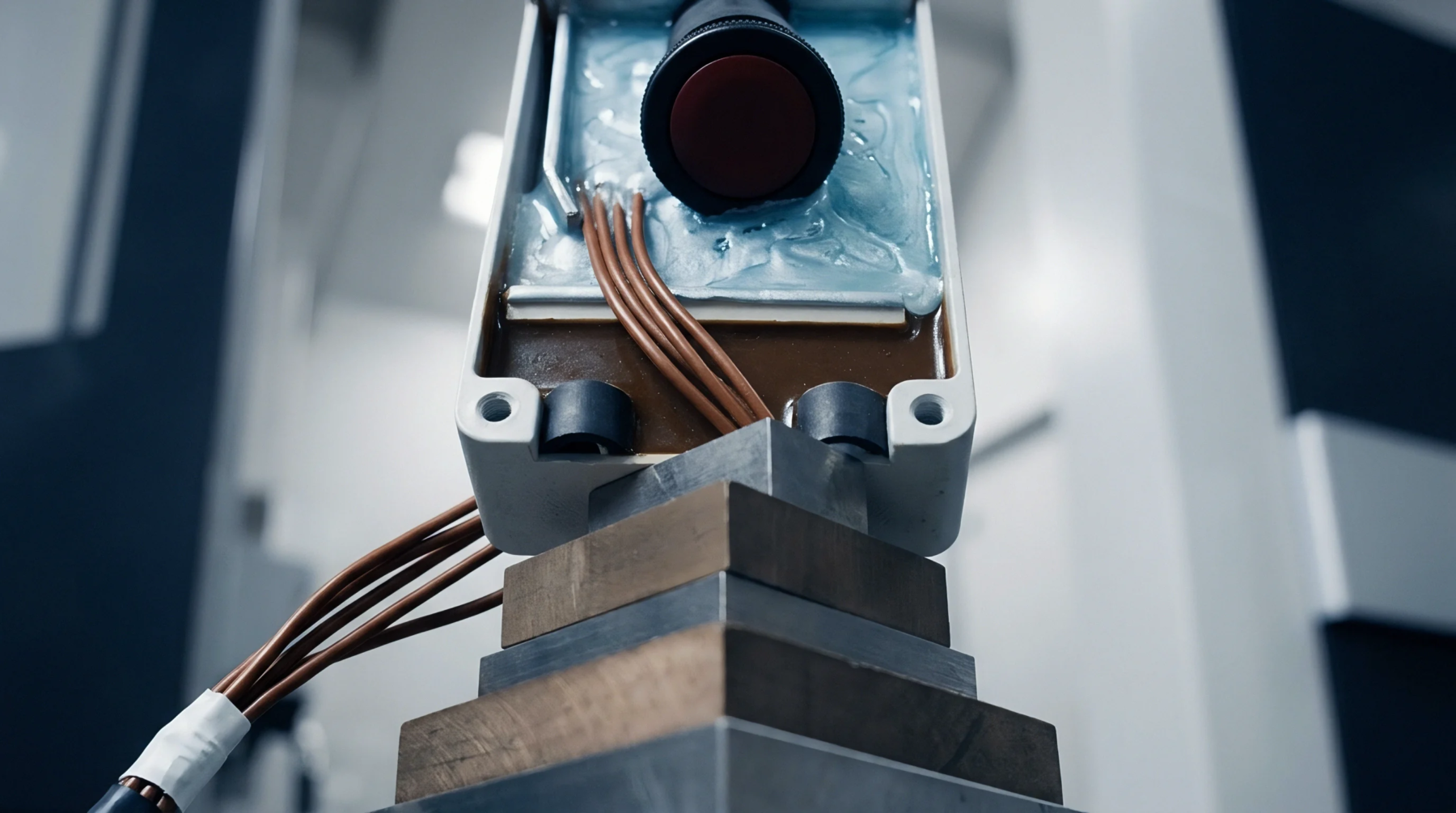
Maintain long-term module pressure windows by pairing non-linear elastomeric creep decay models with silicon anode cell irreversible growth kinetics.
Dynamic swelling in pouch modules demands tuned inter-cell foam compliance and rigid end plates to prevent localized lithium plating and capacity degradation.

Dynamic pouch cell strain requires compliant spring restraints maintaining 0.2 to 0.5 MPa to prevent separator occlusion and seal failure under fast charging.
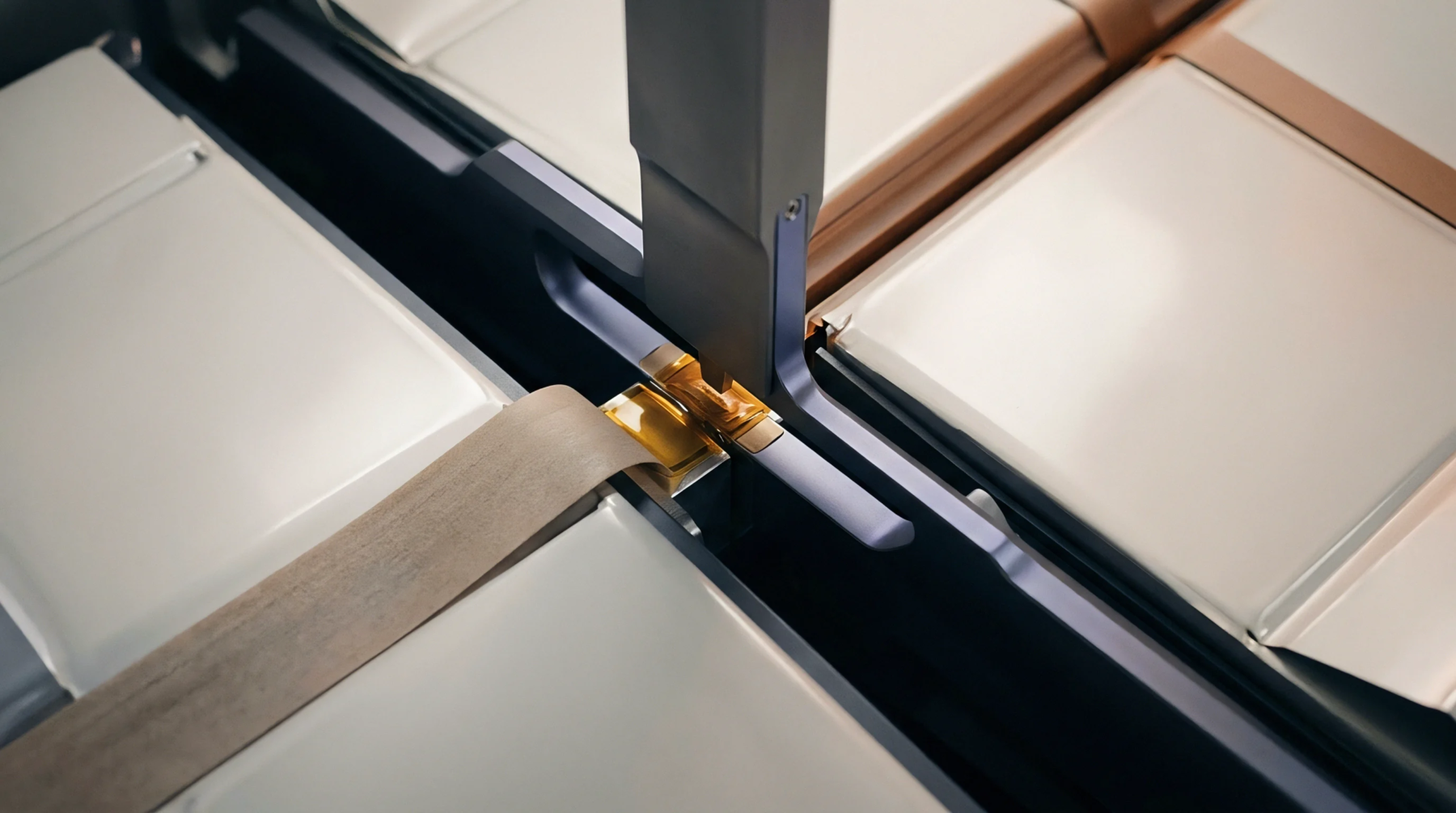
Dynamic compliant clamping balances reversible breathing and irreversible growth to maintain cell interfacial pressure between 0.05 MPa and 0.8 MPa across life.

Prismatic cell initial mechanical preload limits must balance interfacial contact impedance suppression at 0.15 to 0.35 MPa against EOL structural frame stress.
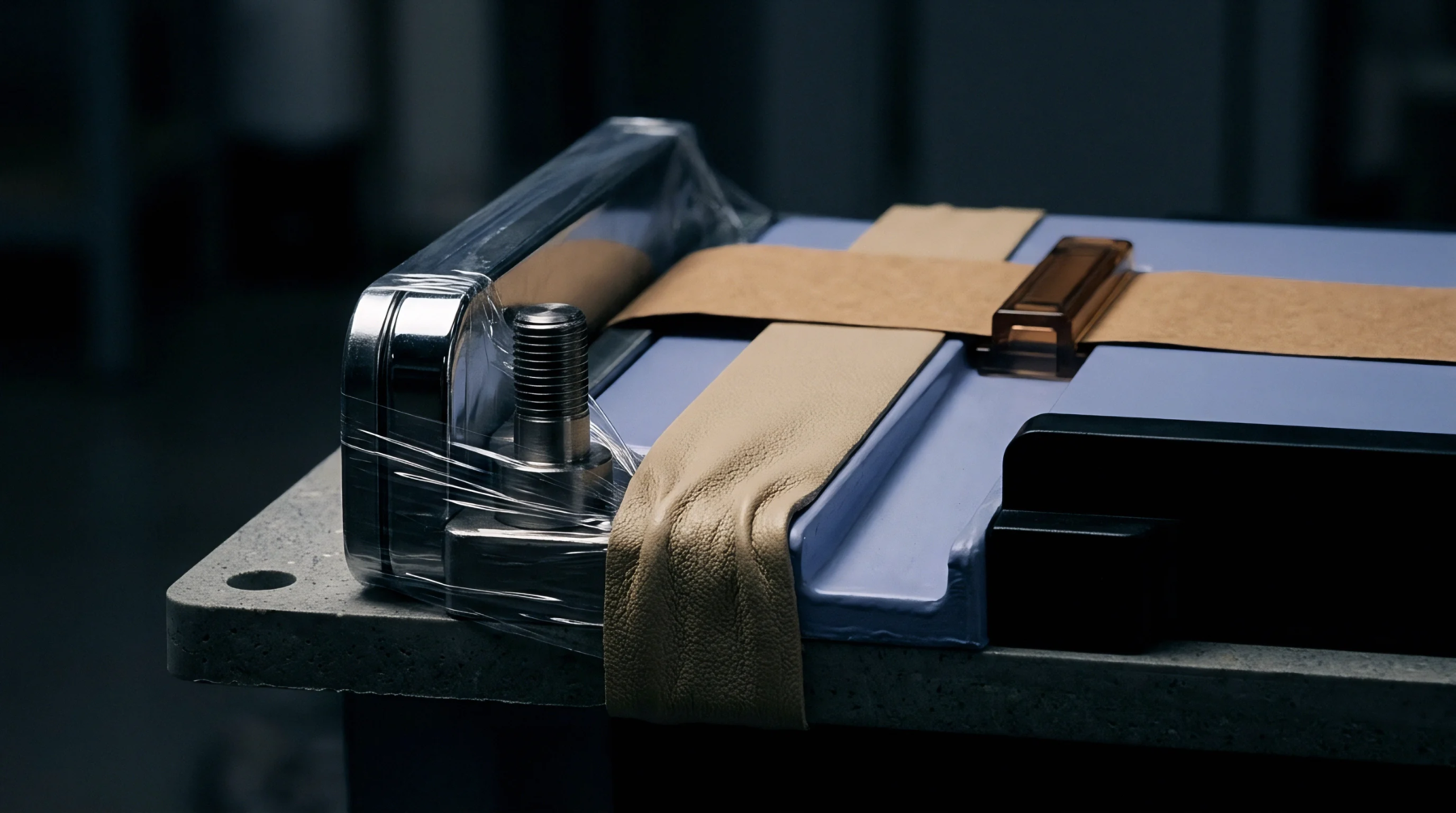
Foam compression set collapses baseline clamping force, shifting planar pressure to rigid edges, elevating thermal impedance, and risking tab fatigue.
Expertise is a utility, not a secret. sentiention™ publishes its working knowledge as open reference: intelligence layer covering the materials it sources, the markets it enters, and the reference that serves both.