Meaning
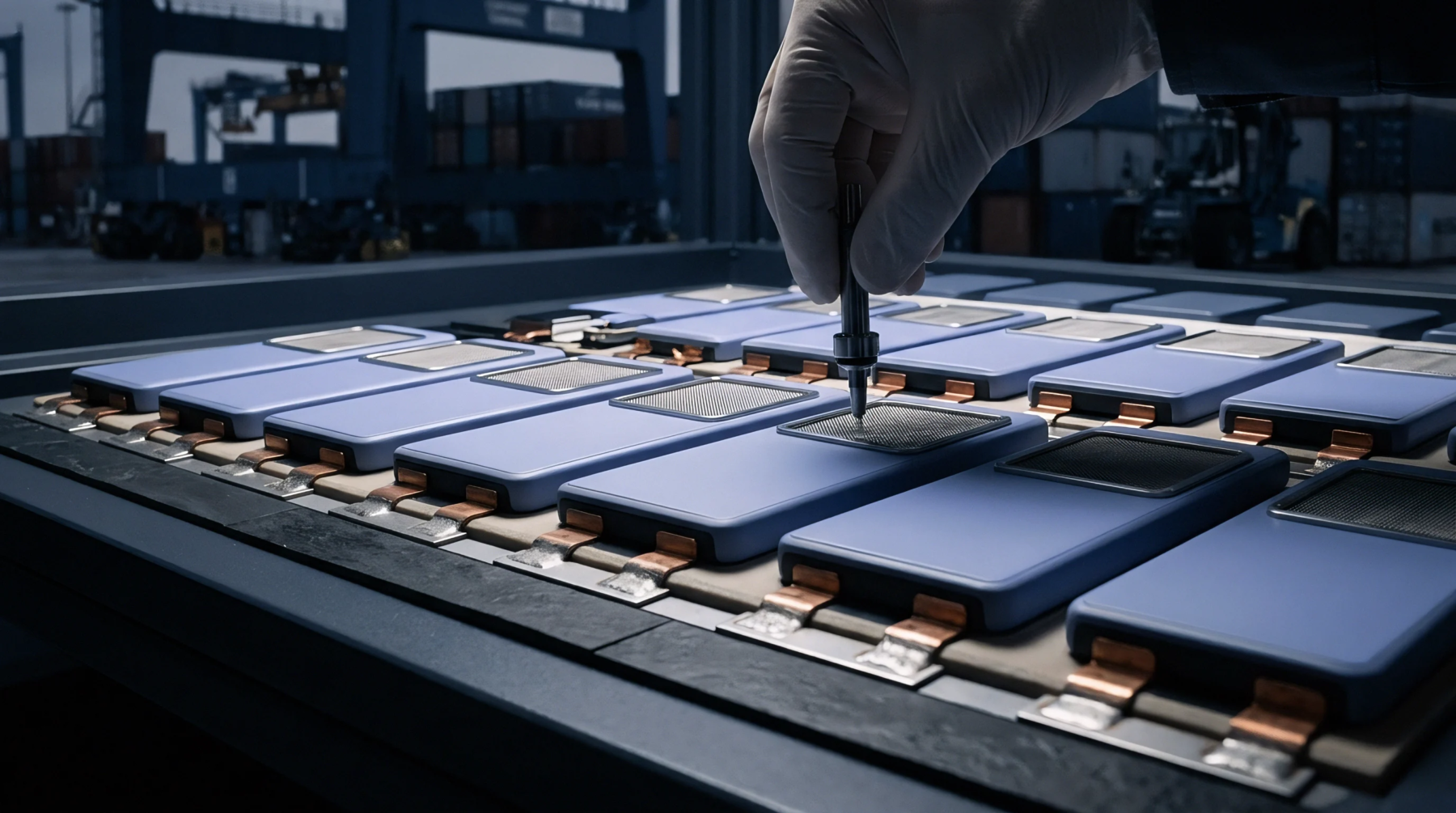
Physical expansion of a flexible battery container occurs due to the accumulation of gases generated by internal chemical reactions. This pouch swelling measures the volume change of the cell as a result of electrolyte decomposition or overcharge events. It is a common phenomenon in lithium polymer batteries where the lack of a rigid outer shell allows the gas to distend the laminate casing.
The process governs the mechanical integrity of the cell and serves as a visible indicator of chemical distress. It stops when the pressure reaches the bursting point of the foil seal or when the internal reactions are halted by a safety circuit.
Internal Gas Generation
Breakdown of the solvent and the formation of volatile compounds create the pressure that drives the expansion of the pouch. When pouch swelling occurs, it is usually the result of excessive heat or operating the cell beyond its safe voltage limits. Trace amounts of moisture inside the cell can also react with the lithium salts to produce hydrofluoric acid and gaseous byproducts.
This chemical instability is more pronounced in cells that have been stored for long periods at a high state of charge. The gas fills the space between the electrode layers and can eventually push them apart. This separation reduces the contact area for the ions and increases the internal resistance of the battery.
Monitoring the thickness of the cells during the manufacturing process helps to identify units with latent defects.
Mechanical Stress Management
Expansion of the cell puts significant pressure on the housing of the device and the other components in the battery pack. Because the pouch is flexible, the pouch swelling can lead to the deformation of the entire assembly if there is not enough room for growth. Engineers must include a specific clearance in the battery compartment to accommodate some level of natural expansion over the life of the product.
If the swelling is constrained too tightly, the pressure can damage the separator and lead to an internal short circuit. High pressure also stresses the welded seals at the edge of the pouch, increasing the risk of an electrolyte leak. Properly designed modules use compression plates to maintain uniform pressure across the face of the cell while allowing for some volumetric change.
This mechanical design is a requirement for ensuring the long term safety of portable electronics.
Safety Threshold Definition
Limits on the allowable thickness increase help to determine when a battery has become too dangerous for continued use. While a small amount of pouch swelling is normal during certain phases of the battery life, excessive growth indicates a critical failure. Manufacturers specify the maximum dimensions for a healthy cell at the end of its cycle life.
If the pouch exceeds this boundary, the battery must be removed from service and replaced. Swollen cells are more susceptible to puncture and can release flammable gases if the casing is compromised. Disposal of these units requires special handling to avoid accidental fires or environmental contamination.
Users should never attempt to compress or pierce a swollen battery to release the gas. Regular inspections of the battery health are a requirement for maintaining the safety of the end user and the equipment.