Meaning
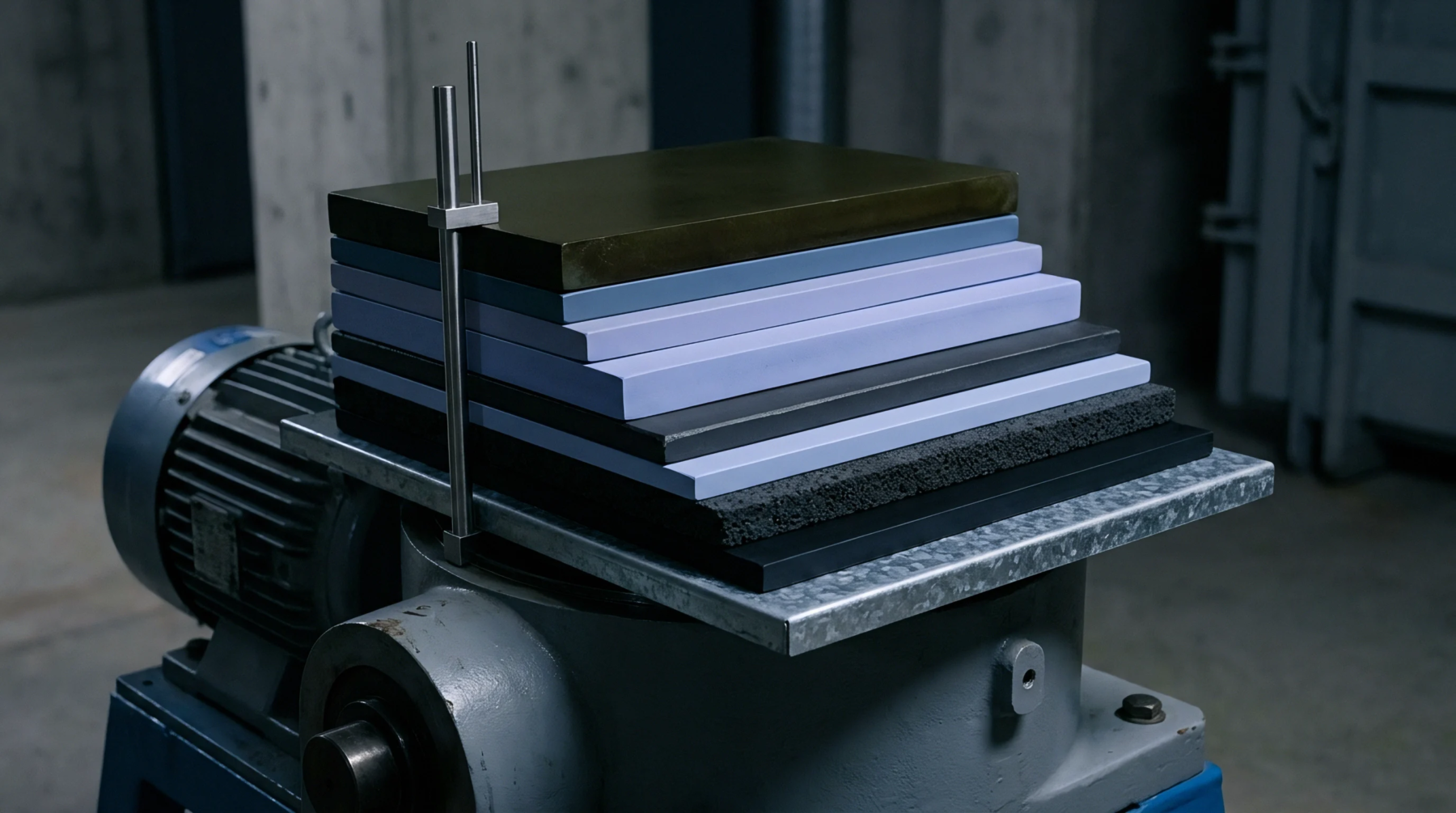
Thermal interface material testing operates under strict industrial guidelines where ASTM D5470 defines the standardized method for measuring steady state thermal transfer properties. This technical specification establishes a guarded hot plate apparatus procedure that determines thermal impedance and apparent thermal conductivity of thin solid electrical insulating materials. Engineers apply this protocol to evaluate gap fillers, phase change compounds, and thermal pads before assembly into high power battery modules.
Operational boundaries restrict the applicability of this standard to planar specimens exhibiting low thermal resistance while excluding fluid or paste media possessing transient properties. Cell designers depend on these measured values to predict temperature gradients across module interfaces without running full scale thermal simulations.
Thermal Resistance
Conduction efficiency relies heavily on boundary conditions established during testing because interface pressure directly alters measured thermal impedance. Standardized fixtures apply specific compressive loads to mimic real world clamping forces found inside modern energy storage packs. High contact resistance between opposing metal surfaces introduces measurement errors unless practitioners account for interfacial voids using thin metal foil sensors.
Temperature sensors embedded directly within the metering blocks record heat flux vectors passing through the specimen under steady state conditions. Applied power inputs remain constant until equilibrium is reached, ensuring that thermal gradients accurately reflect bulk material behavior rather than transient heating artifacts. Low thermal conductivity readings force engineers to select alternative compound formulations or thinner pad configurations to prevent thermal runaway propagation.
Material Characterization
Measured parameters feed directly into numerical models that simulate heat dissipation pathways inside cylindrical and prismatic battery assemblies. Apparent thermal conductivity values allow procurement teams to compare competing vendor data sheets using a common baseline instead of relying on manufacturer claims. Standardized sample preparation requires precise thickness measurements taken at multiple points across the specimen area to calculate heat flux accurately.
Material degradation occurring at elevated operating temperatures alters initial baseline figures, requiring repeated testing after thermal aging cycles conclude. Commercial suppliers utilize these standardized metrics to certify batch consistency during volume manufacturing runs destined for automotive applications.
Contact Pressure
Mechanical clamping forces dictate the final thermal performance of installed interface pads by minimizing microscopic air gaps between components. Test protocols mandate specific pressure steps to generate pressure versus thermal impedance curves that guide mechanical engineers during module housing design. Soft elastomeric materials deform readily under low loads, whereas graphite sheets require higher compressive forces to achieve optimal thermal contact.
Excessive mechanical pressure damages delicate electrode structures located nearby, forcing a careful balance between thermal optimization and mechanical safety limits. Laboratory technicians record sample thickness continuously throughout the loading sequence to capture permanent deformation characteristics under sustained operational stress.