Meaning
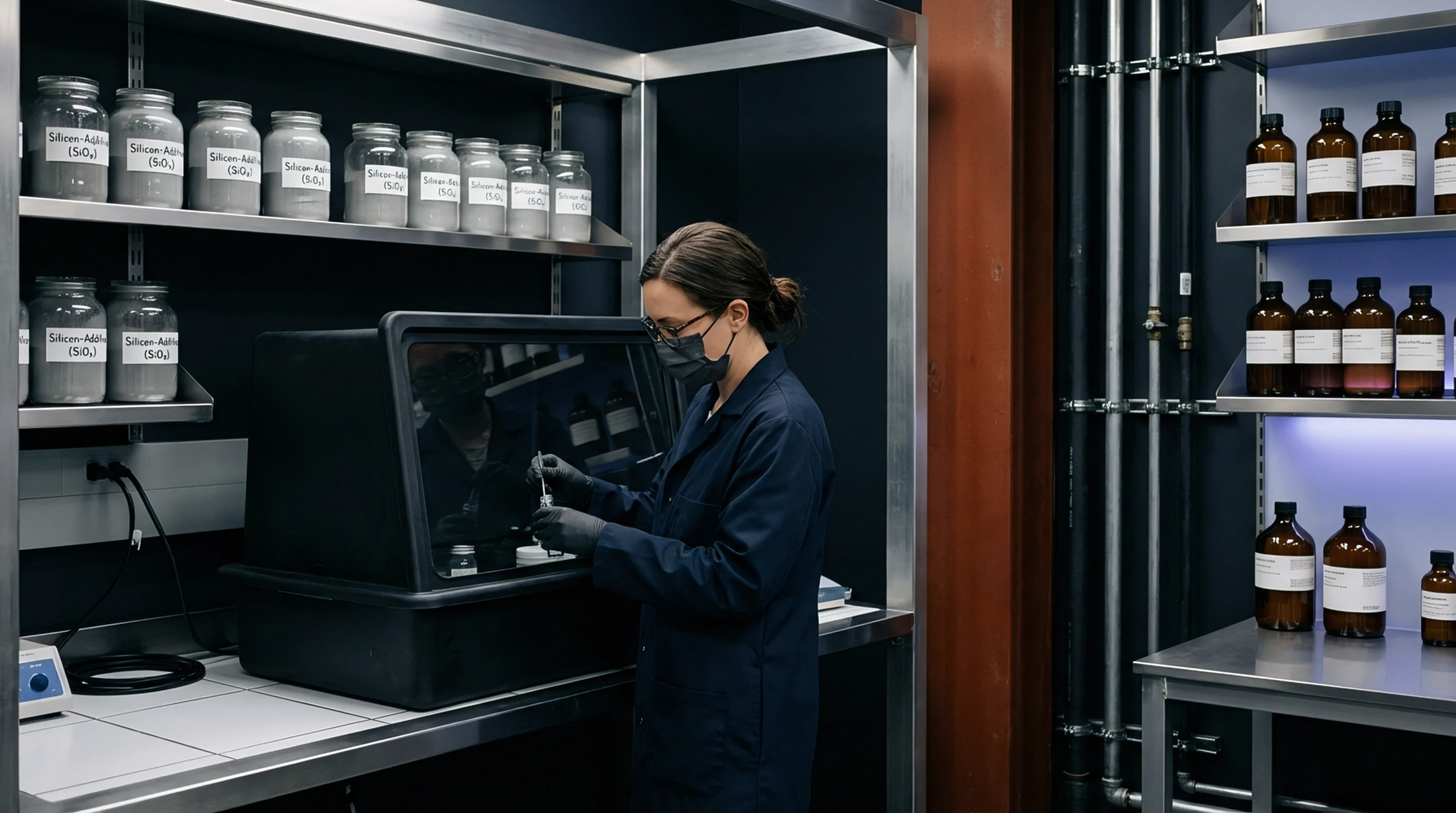
Formal verification by the China National Accreditation Service for Conformity Assessment establishes that a laboratory or inspection body meets internationally recognized management and technical requirements. cnas accreditation functions as a mechanism to confirm that test data possess credibility across borders. Authorities award this status after a site assessment verifies technical proficiency, equipment calibration and staff competence. Operations falling outside the scope of the specific testing mandate remain excluded from the formal seal of approval.
The oversight provides a baseline for neutral evaluation by third parties when sourcing battery components or industrial materials.
Testing Validity
Analytical rigs undergo calibration against national standards to earn this recognition. Staff members demonstrate their proficiency through repeated competency checks on defined sample matrices. When a facility gains approval, the certificate grants authority to include the organization logo on test reports.
Clients depend on this visual verification to validate that specific electrochemical measurements carry the weight of a governed quality regime. Laboratories without this specific status often require additional validation cycles before a manufacturer accepts the data output for critical procurement decisions.
Operational Governance
Regular surveillance audits ensure that technical performance maintains its alignment with the original certification criteria. Inspectors visit the facility to review record keeping practices and internal audit logs for every shift. Management teams implement corrective measures whenever internal control deviations occur during high volume production runs.
This cycle prevents the drift of accuracy in mass scale measurement environments where small errors propagate rapidly. Documented evidence of every maintenance action supports the ongoing standing of the facility within the network of recognized testing providers. Each audit session resets the compliance clock for the monitored technical scope.
Commercial Impact
Market participants use this validation to filter viable suppliers from unverified entities before initial sample requests occur. Procurement departments gain a reduction in redundant verification costs by relying on the independent oversight provided by the assessing body. Manufacturers avoid technical disputes during contract negotiations when both sides accept the certified test figures as the base of the transaction.
A verified lab result reduces the frequency of rejected shipments that fail to meet specifications upon arrival at an assembly site. The inclusion of these standards in supply agreements minimizes the probability of quality variance during the transition from pilot testing to full production. Verified technical claims reduce the financial risk inherent in long distance procurement of sensitive energy storage hardware.