Solid State Cell Thickness Expansion Baseline Measurement Methods
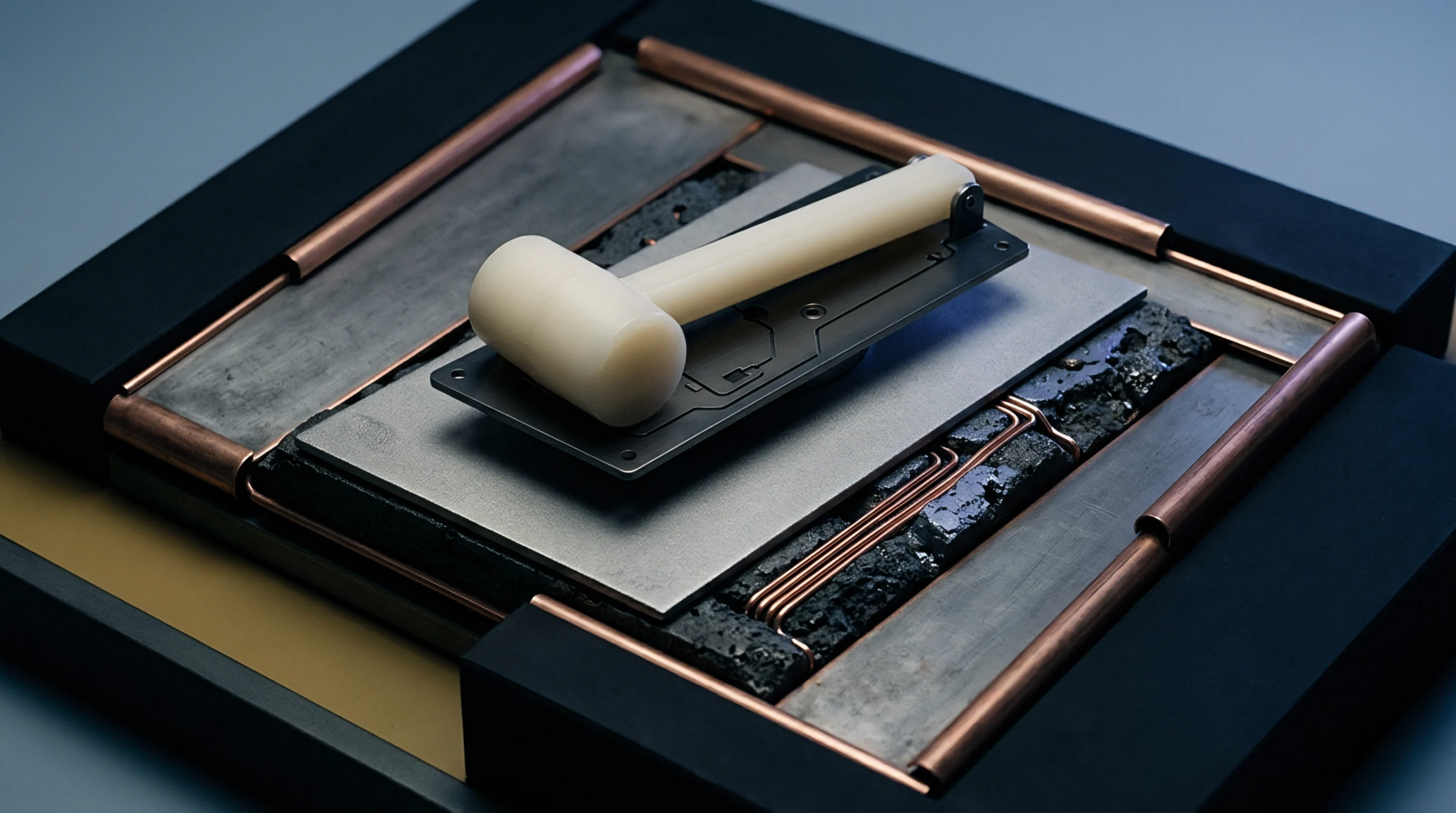
Establishing baseline solid-state cell thickness demands constant pressure fixtures with fixture compliance subtraction and zero-state reference at SOC zero.
Electrochemical impedance measurements quantify the electrical potential barrier arising at the juncture between two solid materials when current attempts to move across the boundary. Interface contact resistance measures the opposition to charge transfer found at these junctions within energy storage cells or bipolar stacks. Designers define this parameter as the voltage drop occurring specifically at the physical junction rather than through the bulk of the internal component layers.
High values suggest poor physical alignment or the presence of non-conductive oxides that inhibit proper current flow across the surface. This value represents the total impediment to electron movement at the boundary and remains distinct from the inherent resistance of the individual materials participating in the connection. Engineers define this value using the ohms per square centimeter unit to normalize for the area of the junction.
Current flow experiences a bottleneck when moving from a current collector to an active material or between individual particles in a composite matrix. Rough surfaces create microscopic air gaps or uneven distribution points that limit the active area where electrons transfer. Particles lacking firm mechanical pressure show higher values due to the smaller number of physical touchpoints available for conduction.
Oxidation at the surface layer acts as an additional insulating barrier that forces electrons into narrower paths. Manufacturers apply conductive coatings or increase mechanical compression to force better metal to metal contact and lower the localized heat generation. Increased pressure minimizes the depth of these voids and ensures that the contact remains stable across the entire lifespan of the device.
Technicians utilize a four-point probe configuration to isolate the potential drop at the boundary from the contribution of lead wires or external cabling. Voltages recorded during constant current discharge provide the raw data required to calculate the drop across the interface. Researchers subtract the ohmic resistance of the base materials from the total observed value to isolate the true contribution of the junction itself.
Testing occurs under controlled temperature settings because heat alters the conductivity of surface films and changes the expansion rates of the joined components. Standardized laboratory procedures require consistent contact force during the measurement to ensure that the value remains repeatable across multiple samples. Precise instrumentation allows for the detection of degraded connectivity before a complete failure of the electrical path occurs.
Thermal energy production rises in proportion to the square of the current moving through an area with high contact impedance. Excessive heat accelerates the breakdown of electrolytes and promotes unwanted chemical side reactions within the cell architecture. Components show evidence of localized degradation or structural fatigue when these junctions experience continuous voltage stress during high discharge rates.
Low values extend the duration of peak performance because energy loss remains minimal during demanding load cycles. Maintaining stability at every internal connection improves the reliability of the entire module and prevents the development of hot spots. Consistent low resistance at the junction prevents permanent capacity loss over the operational life of the system.
Establishing baseline solid-state cell thickness demands constant pressure fixtures with fixture compliance subtraction and zero-state reference at SOC zero.
Expertise is a utility, not a secret. sentiention™ publishes its working knowledge as open reference: intelligence layer covering the materials it sources, the markets it enters, and the reference that serves both.