
Secondary Gas Loop Extraction Dynamics for Reducing Parasitic Accretion in Tool Steels
Secondary gas loops sweep metal condensate and ejecta out of laser paths, eliminating parasitic accretion and void formation in tool steels.
Secondary gas loops sweep metal condensate and ejecta out of laser paths, eliminating parasitic accretion and void formation in tool steels.
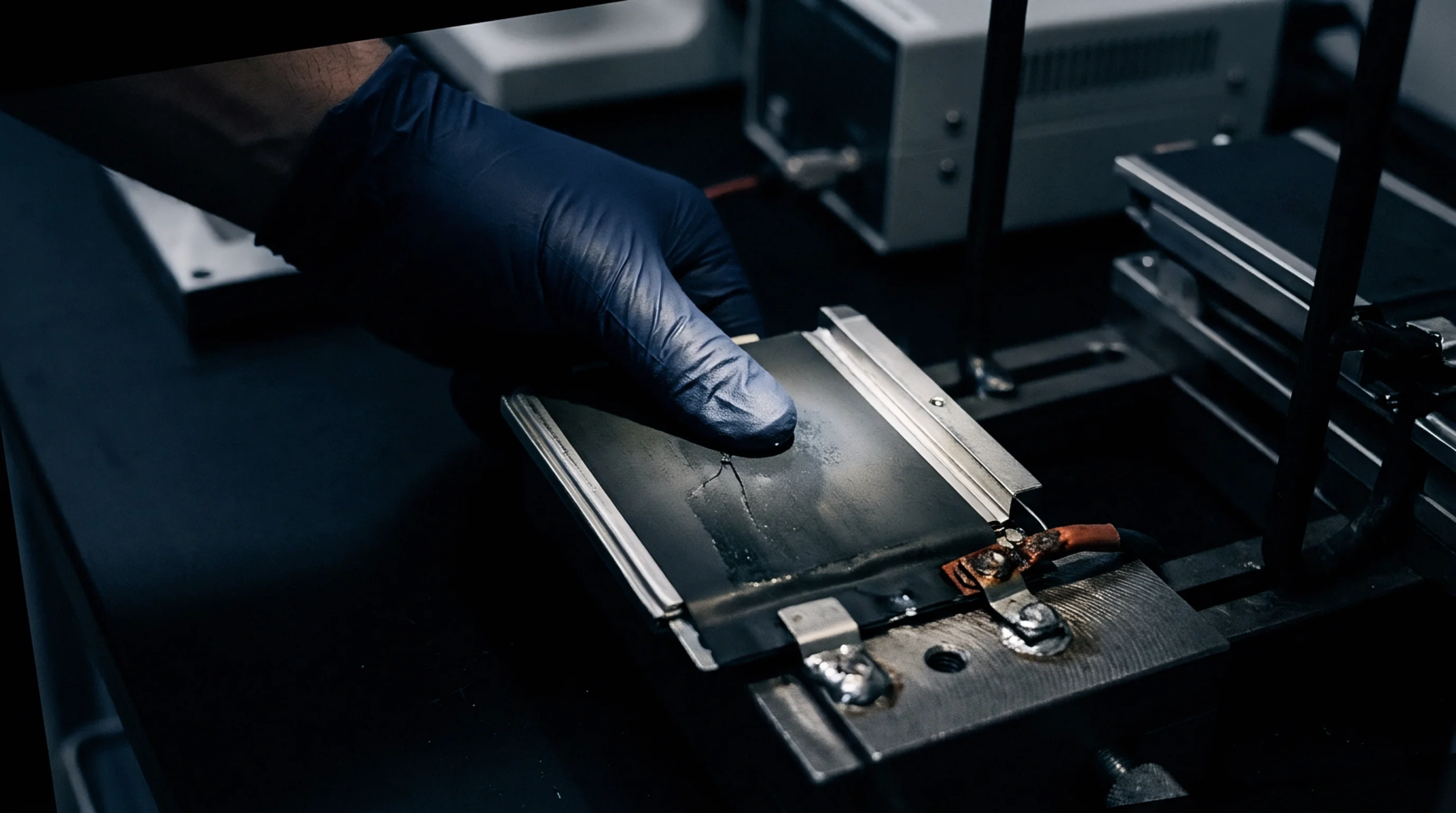
Laminar gas velocities between 1.8 and 2.5 meters per second prevent submicron condensate soot from redepositing into large-format tool steel melt tracks.

Entrapped argon voids in vacuum gas atomized powder cause thermally induced porosity during thermal processing, requiring tight argon specifications under 0.5 ppm.

Non-proportional thermomechanical strain paths accelerate fatigue crack initiation at subsurface powder-bed defects in additive conformal aluminum cold plates.

Multiaxial critical plane strain-life analysis models out-of-phase thermal and pressure fatigue on internal conformal cooling walls to prevent die failure.
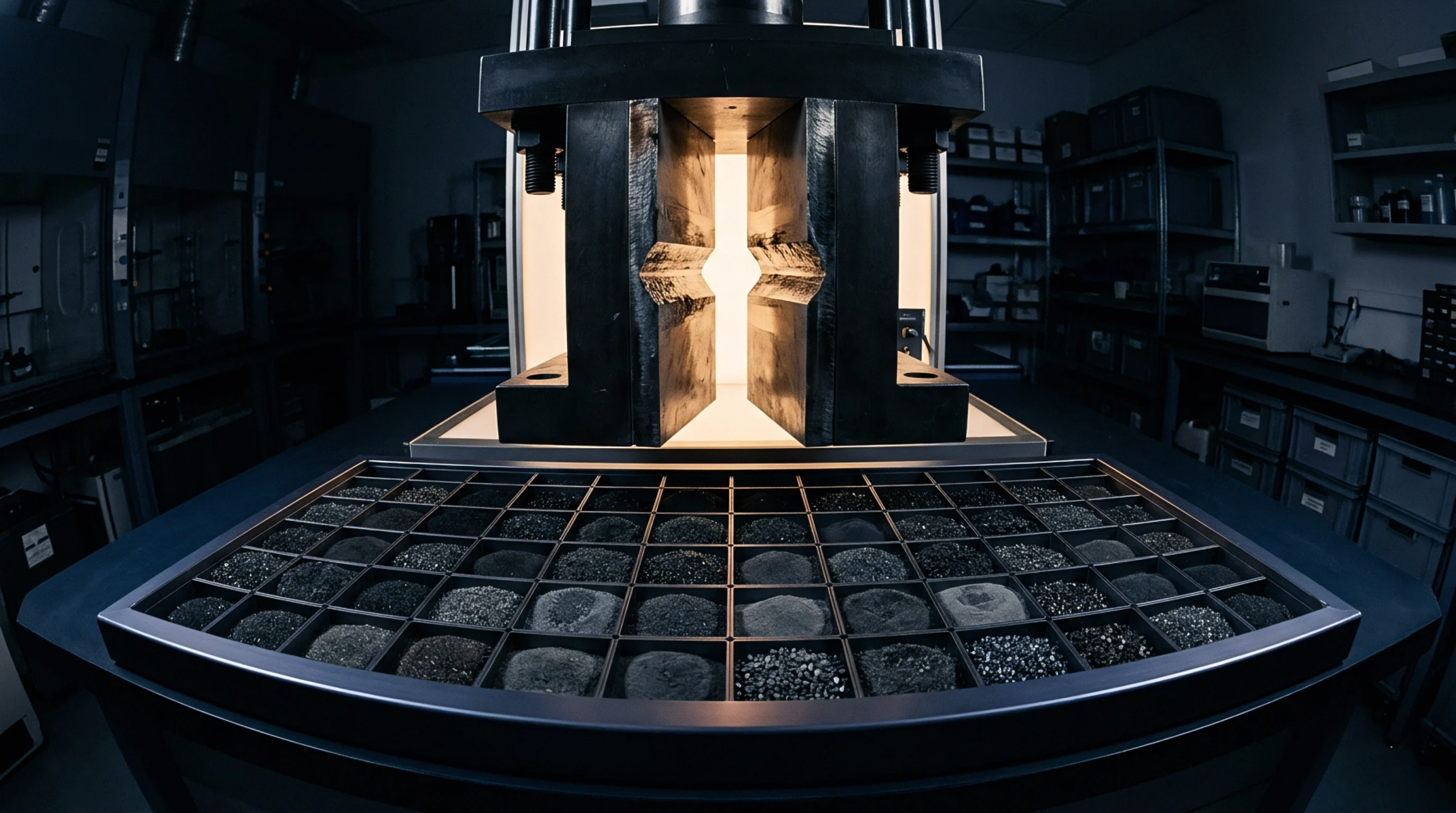
Controlling melt superheat within a twenty-kelvin window balances gas atomization efficiency against refractory dissolution in high-alloy tool steel powder production.

Secondary recirculation gas flow controls spatter condensate extraction in 1.2709 tool steel L-PBF to eliminate surface accretion and fatigue voids.
Gas atomization of tool steel powders requires maintaining melt superheat at 150°C above liquidus and gas-to-metal ratio between 1.8 and 2.5 to optimize yield.
Expertise is a utility, not a secret. sentiention™ publishes its working knowledge as open reference: intelligence layer covering the materials it sources, the markets it enters, and the reference that serves both.