Meaning
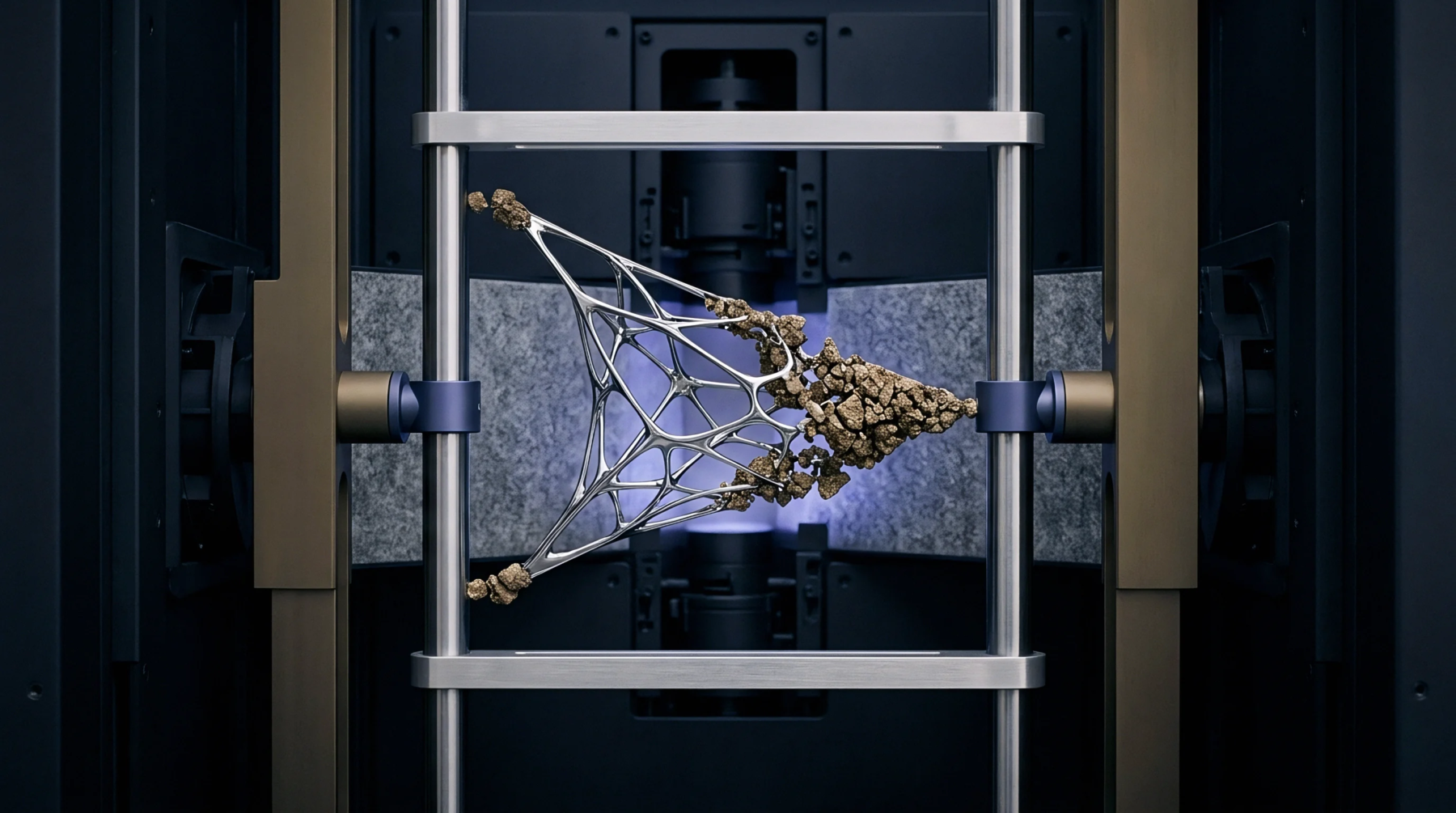
Mechanical housings designed for battery cells hold multiple pouches or prismatic units under a predefined compressive load. A module constraint frame prevents excessive cell expansion and maintains optimal inter-plate pressure during operational cycles.
Pressure Management
Applying constant pressure to cell surfaces is necessary to prevent electrode delamination and maintain uniform current density. The module constraint frame uses heavy endplates and tie rods to compress the cells to a specified initial tension. As the cells cycle, this rigid structure resists their swell forces, keeping the active materials in close contact.
This mechanical resistance prolongs the life of the cells by inhibiting the growth of lithium dendrites.
Thermal Interfacing
Integrating cooling channels into the constraint structure ensures that heat is dissipated efficiently from the packed cells. The module constraint frame often features a hollow baseplate through which liquid coolant flows. Insulating pads are placed between the metal plates and the cells to prevent electrical short circuits.
This configuration balances mechanical constraint with thermodynamic control.
Material Selection
Selecting the proper alloys for these frames requires balancing high tensile strength with low overall weight. While aluminum is preferred for its lightweight properties, its high thermal expansion coefficient must be accounted for in the structural calculations. Using a module constraint frame made of composite materials offers an alternative that provides high stiffness and electrical isolation in a single part.
This material choice directly affects the overall weight and crashworthiness of the battery pack, making it a critical focus for automotive structural engineers.