Meaning
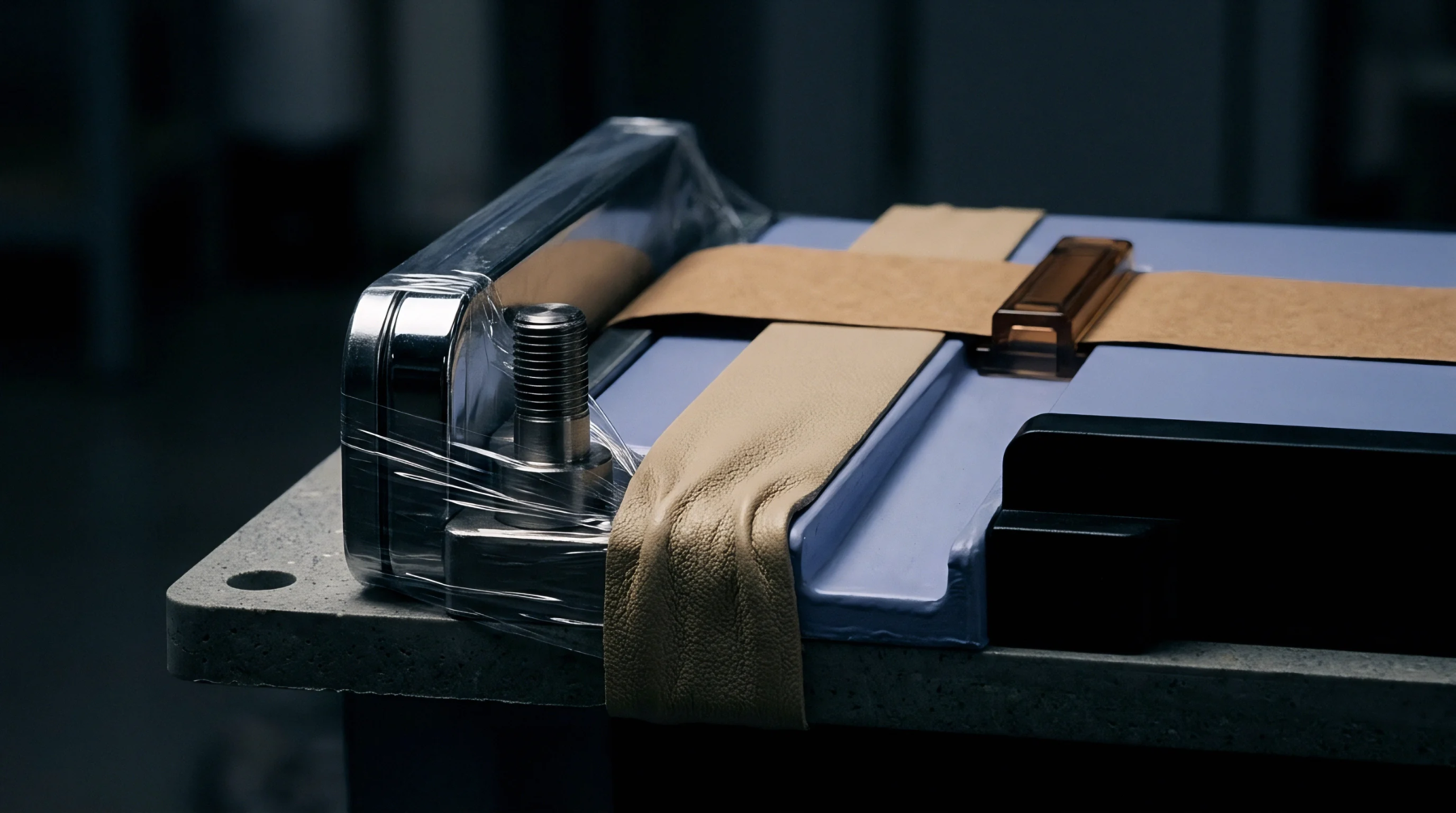
Structural fastening hardware provides the necessary clamping force to maintain the integrity of a battery module assembly under vibration and thermal stress. These module retention tie-rods pass through or along the sides of the cell stack to anchor the end plates.
Material Selection
High strength steel or specialized aluminum alloys ensure that the fasteners do not stretch or snap during extreme mechanical shocks. While plastics are lighter, module retention tie-rods made of metal provide the thermal stability required to withstand the heat generated during rapid charging.
Torque Specification
Assembly robots apply a precise amount of rotational force to each nut to ensure the compression of the cells is uniform across the entire module. If module retention tie-rods are tightened unevenly, the resulting pressure gradient can cause localized lithium plating or premature cell failure.
Safety Function
During a vehicle collision, these rods keep the cells from shifting and prevent a short circuit against the chassis. The module retention tie-rods act as the primary structural spine of the pack. Their failure would lead to the total disintegration of the electrical connections between the cells.
Without these rods, the mechanical stresses of daily driving would eventually loosen the busbars and lead to intermittent power loss or arcing.