Meaning
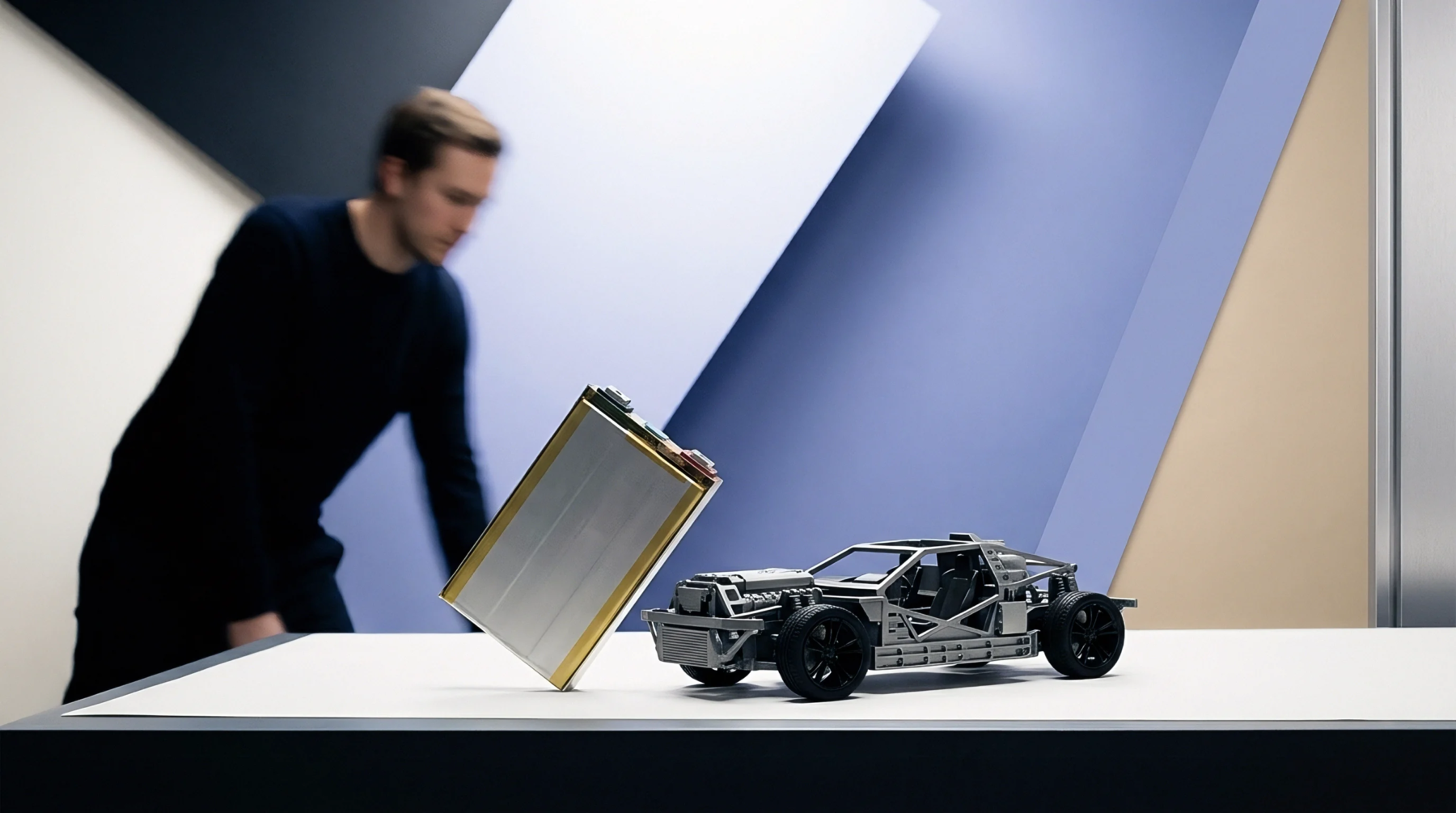
A lithium-ion cell construction utilizing a flexible metallic laminate enclosure provides the defining architecture for the pouch cell format. Aluminum foil coated with polymer layers seals the internal electrode stack, replacing the rigid steel or aluminum cans common in cylindrical and prismatic designs. Atmospheric pressure and internal gas evolution directly influence the physical boundary of the enclosure, requiring external mechanical restraint within battery modules to prevent swelling.
Thermal Regulation
Heat dissipation relies on flat major surfaces rather than radial conduction, demanding specific cooling plate geometry during module assembly. Surface cooling efficiency rises because thermal paths are shorter through the thin laminate than through thick metal walls, though clamping pressure must remain uniform across the area to avoid localized delamination. High discharge rates generate internal temperatures that challenge the soft exterior, making module compression frames mandatory for long-term cycling stability.
Mechanical Constraint
Swelling forces during charge and discharge cycles dictate strict engineering tolerances inside the battery pack housing. Gas generation from electrolyte oxidation pushes the flexible walls outward, meaning engineers must allocate dimensional expansion allowances of several percent over the design life of the unit. Compression plates apply counter-pressure to restrict this movement, suppressing electrode separation and maintaining low electrical resistance at the current collector tabs.
Sourcing Economics
Manufacturing lines require lower capital expenditure for initial tooling compared to hard-casing assembly facilities, altering procurement cost structures for volume buyers. The absence of a heavy metallic shell lowers overall specific weight, granting higher gravimetric and volumetric energy densities that drive purchasing decisions in portable electronics and electric vehicles. Supplier evaluation protocols therefore focus on weld integrity of the aluminum laminate and moisture ingress testing rather than burst pressure ratings of rigid cylindrical containers.