Meaning
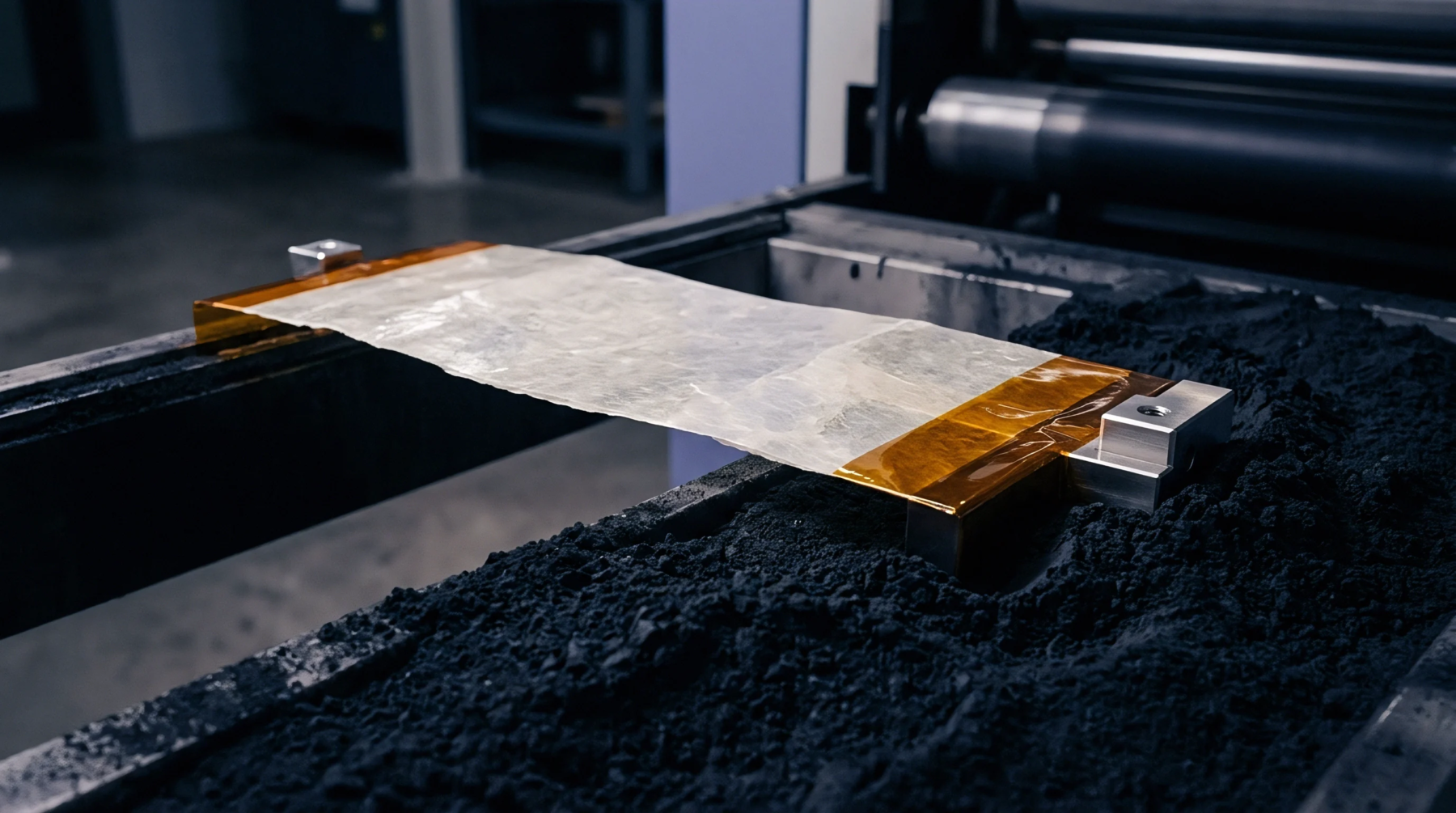
Formation of covalent bonds between polymer chains to establish a three-dimensional network prior to thermal decomposition. Adequate precursor cross linking prevents the melting of polymer fibers during carbonization, preserving the desired porosity. This treatment is essential for maintaining the structural integrity of the precursor during heating.
Network Formation
Adding chemical agents or applying heat initiates the formation of strong covalent bridges between the polymer backbones. Without precursor cross linking, the polymer would liquefy during the carbonization process and lose its structured shape. This network formation is what allows the carbon to retain its high surface area and porous structure, which is necessary for high-rate ion transport during fast-charging cycles.
Thermal Resistance
Cross-linked polymers can withstand much higher temperatures before they begin to decompose. The process of precursor cross linking increases the solid carbon yield by preventing the volatilization of short polymer chains. This resistance ensures that the resulting hard carbon anode has a high density and low internal resistance.
Carbon Yield
Higher cross-linking density correlates with a larger percentage of the precursor being converted into active carbon material. This efficiency is critical for reducing the cost of raw materials in large-scale production. Optimizing the precursor cross linking step helps manufacturers maximize the output of their carbonization furnaces.