Meaning
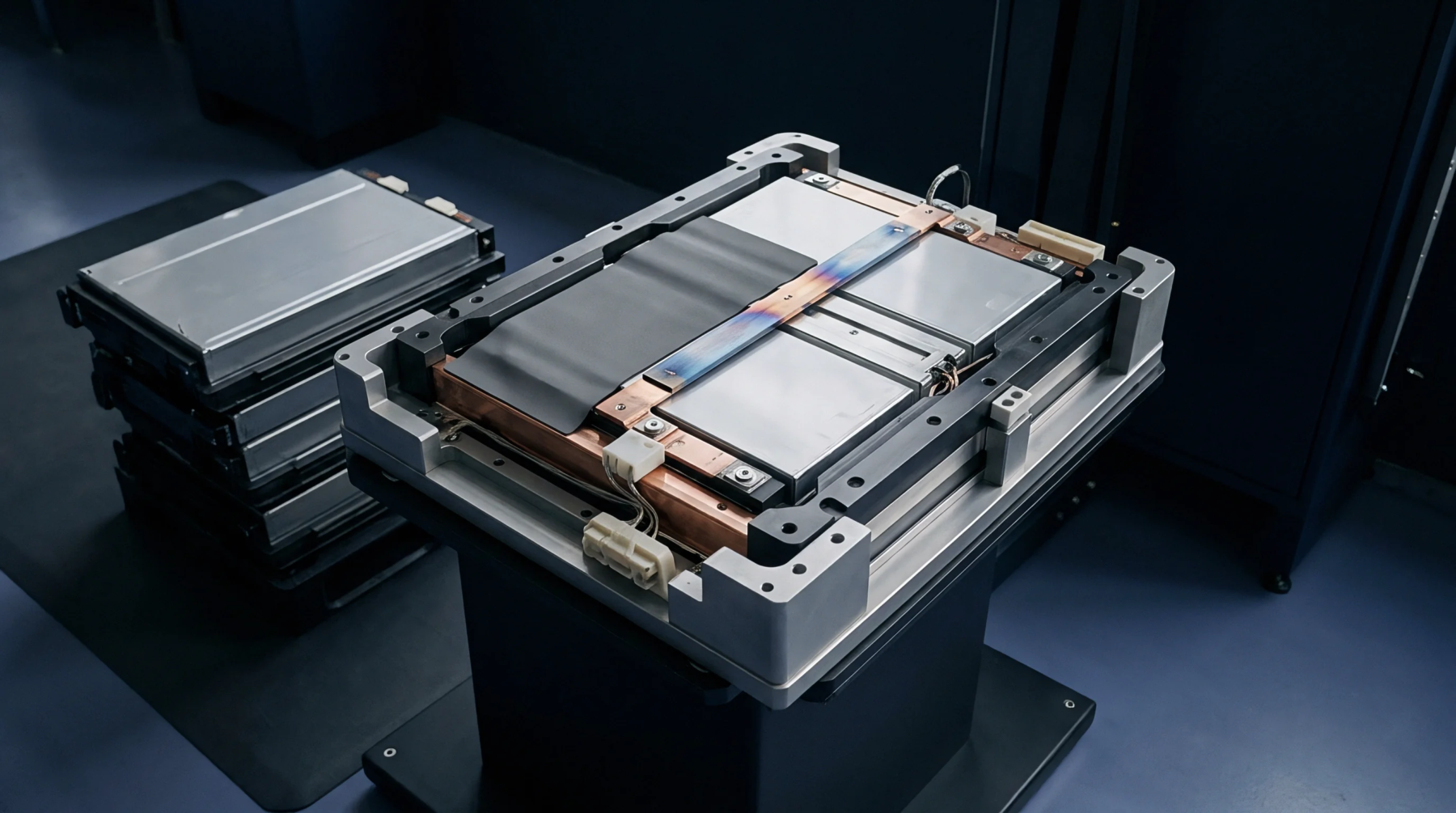
Aluminum extrusion component forms the physical boundary sealing the top of a lithium ion battery cell container. A prismatic cell header houses current collection terminals, a burst pressure relief vent, and a liquid electrolyte fill port welded directly to the can housing. Seal integrity across this component dictates the exclusion of atmospheric moisture and the containment of internal pressure during high discharge cycles.
Joint Integrity
Laser welding secures the interface between the top plate and the aluminum enclosure walls. Penetration depth during this joining process determines whether the weld withstands long term cycling stresses without micro cracking. Gas porosity within the weld bead creates microscopic leak paths that permit gradual electrolyte vapor loss over years of field operation.
Destructive metallographic cross sectioning confirms fusion zone geometry and void distribution compliance prior to volume purchasing approval.
Current Conduction
Electrical energy flows from internal jelly roll foils through conductive tabs connected to external terminal posts mounted on the stamped plate surface. Ultrasonic welding fuses copper or aluminum foil bundles directly to the underside of the current collector pads. High electrical resistance at this internal transition point generates localized joule heating during fast charging protocols.
Mechanical torque applied to the threaded terminal studs must remain within specified limits to prevent internal busbar distortion without stripping threads.
Safety Integration
Rupture discs designed into the upper surface yield at predetermined internal pressures to vent toxic gases before catastrophic thermal runaway occurs. Thinning score lines stamped into the aluminum relief feature control opening pressure tolerances within narrow engineering margins. Post testing burst verification confirms that internal gas pressure triggers the mechanical membrane reliably under abusive overcharge conditions.
Procurement contracts specify lot destructive testing parameters to verify that every manufactured batch meets thermal excursion containment thresholds.