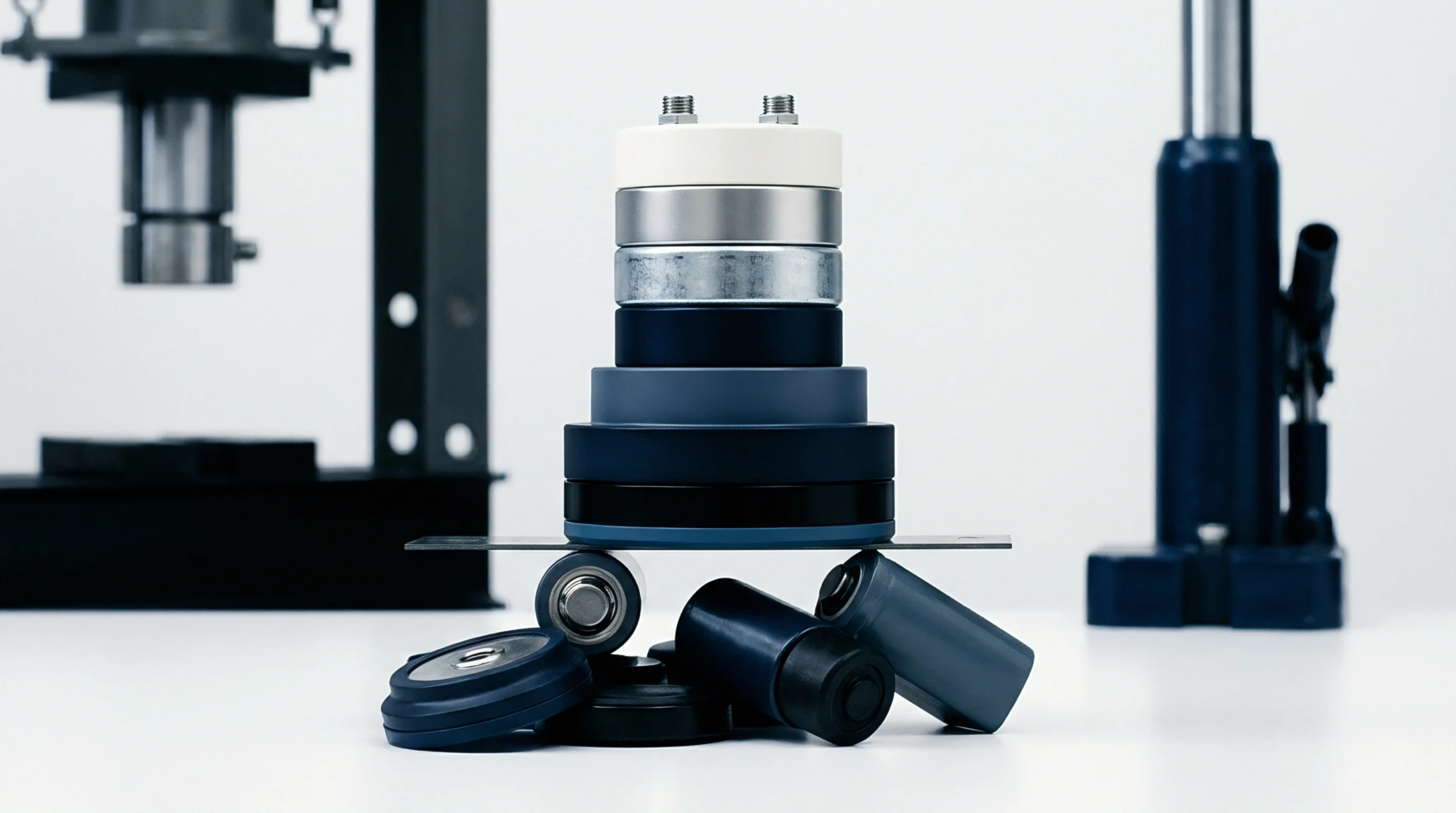
Transverse Ductility Limits in Press Hardened Battery Frame Structural Steels
Transverse ductility in press hardened battery frame steels drops thirty percent relative to longitudinal values due to manganese sulfide stringer alignment.
Transverse ductility in press hardened battery frame steels drops thirty percent relative to longitudinal values due to manganese sulfide stringer alignment.
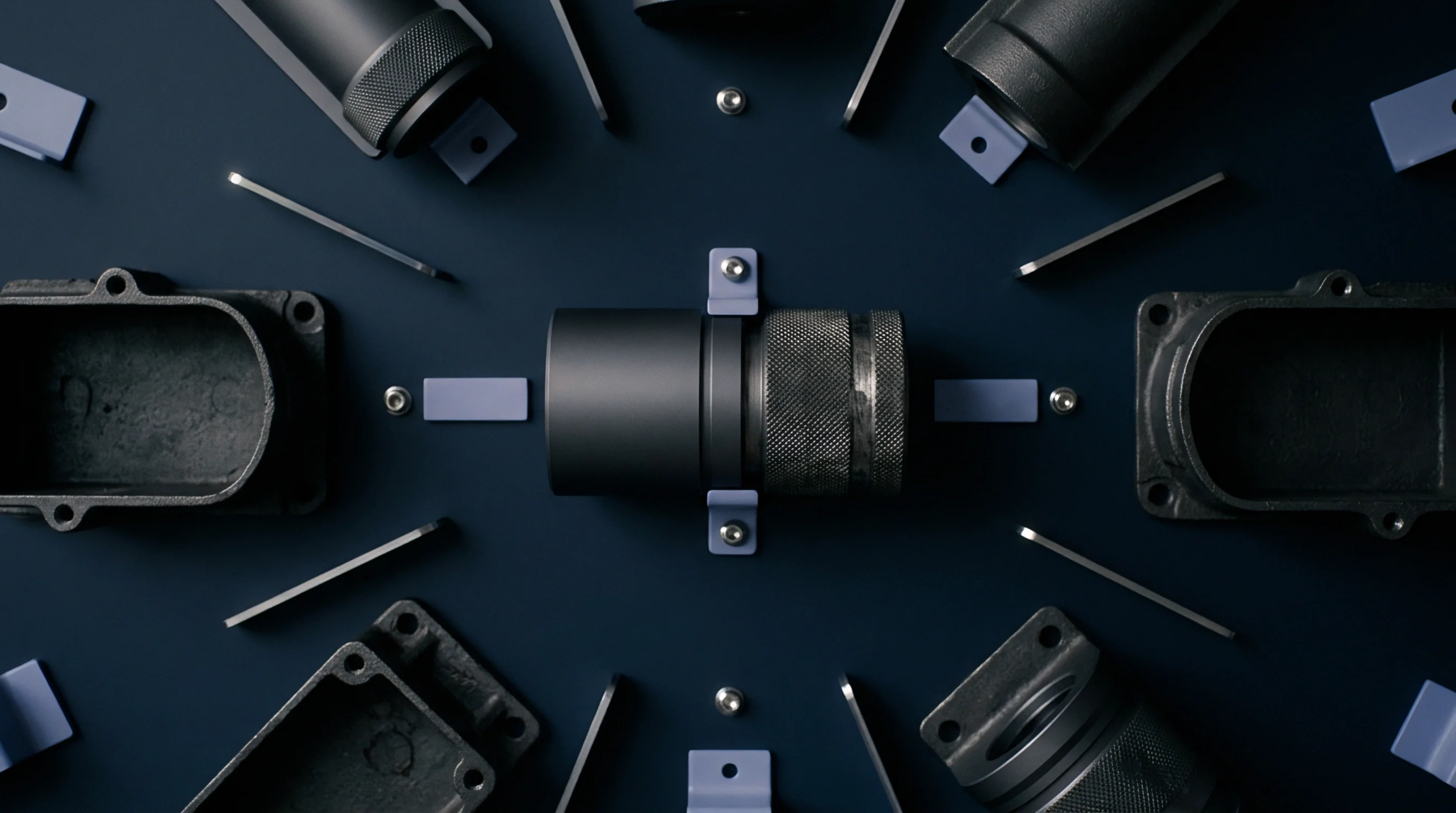
Non-proportional strain paths from out-of-phase thermal and pressure loads cause extra yield hardening and accelerate fatigue failure in additive heat exchangers.

Predictive weld modeling must couple diffusion kinetics with critical plane multiaxial fatigue to prevent brittle intermetallic crack initiation under thermal cycling.
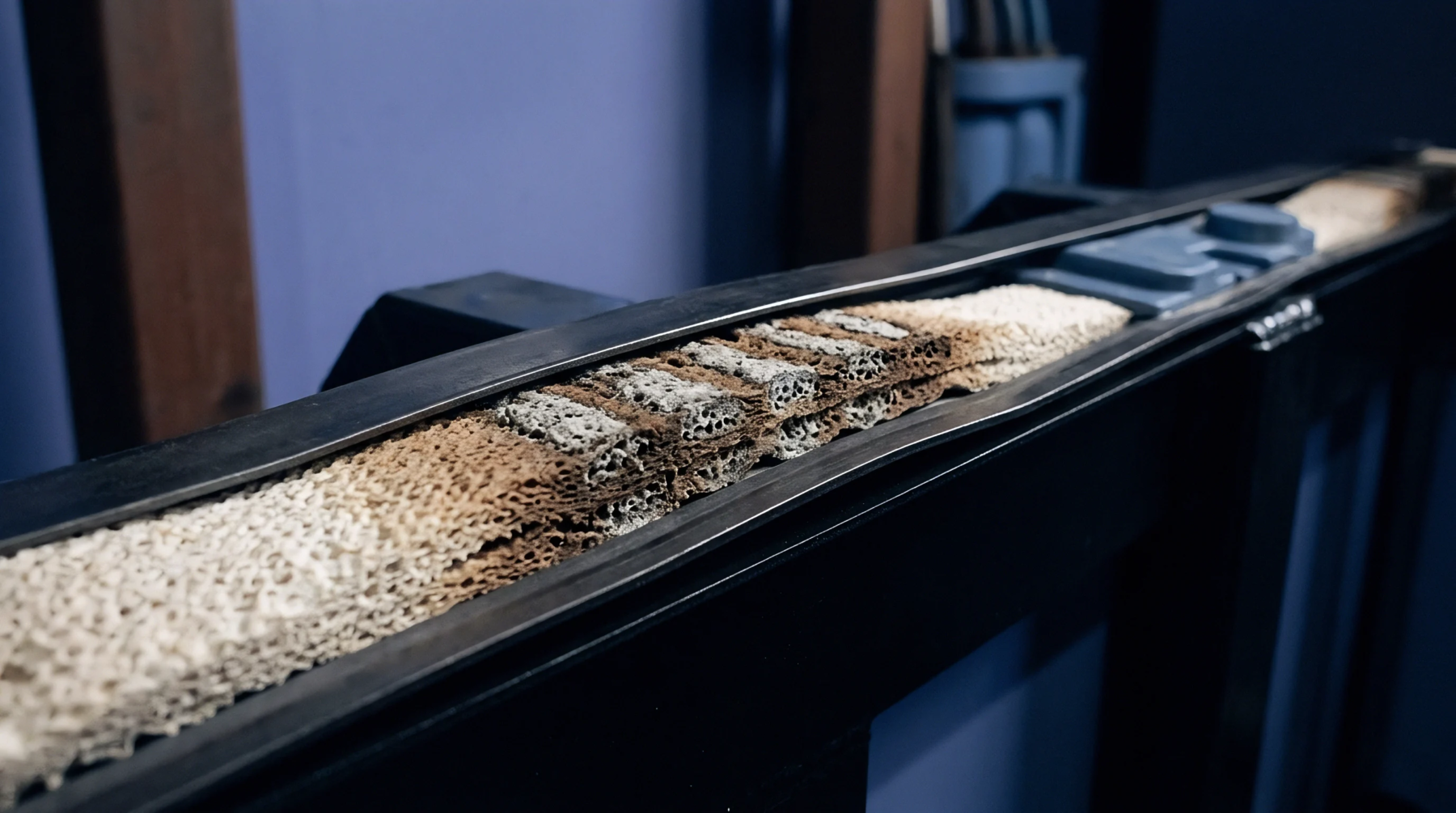
Multiaxial fatigue criteria for sintered gears require hydrostatic stress parameters and pore notch factors to accurately predict multiaxial endurance limits.

Controlled sweep gas kinetics and balanced heating ramps prevent outgas entrapment, eliminating resistive rocksalt phase reconstruction in sintered cathodes.
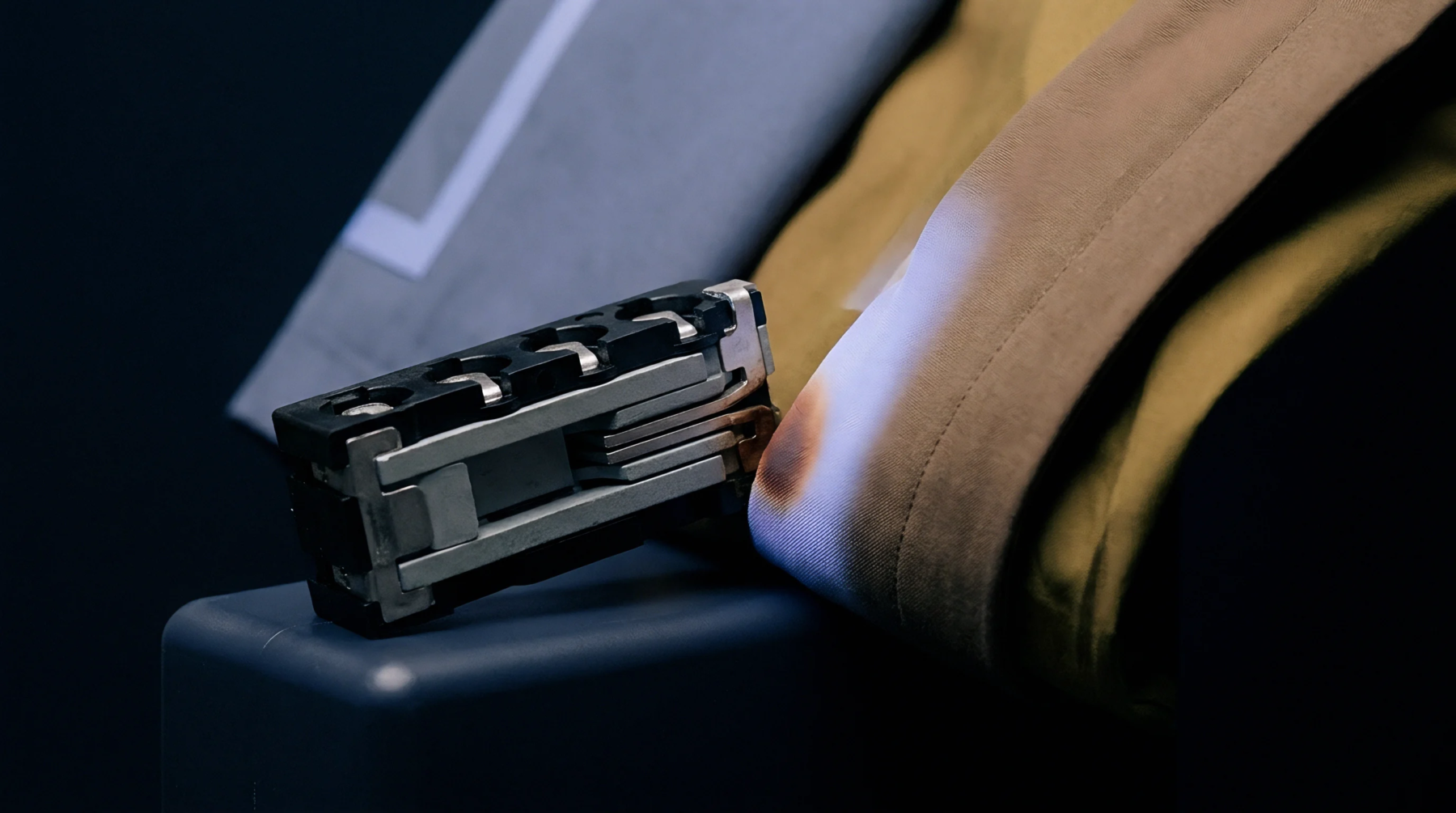
Finite element modeling of Butler-Volmer kinetics across Cu-Al intermetallics predicts galvanic void growth to set hard caps on weld phase thickness in RFQs.
Root notch geometry and coupled breathing-thermal strain dictate header weld fatigue life, requiring non-linear strain-life prediction over far-field stress models.
Expertise is a utility, not a secret. sentiention™ publishes its working knowledge as open reference: intelligence layer covering the materials it sources, the markets it enters, and the reference that serves both.