Meaning
Material degradation resulting from complex stress states with non-proportional loading directions determines structural life under multi-directional dynamic forces. The structural failure phenomenon termed multiaxial fatigue occurs when components undergo simultaneous cyclic stresses acting along multiple spatial axes. Within electric vehicle battery system engineering, multiaxial fatigue governs the structural life of frame rails, pack support crossmembers, module hold-down clamps, and electrical busbar joints subjected to combined chassis twist, bending, and dynamic road vibration.
The domain governs stress tensor histories, principal stress axis rotation, out-of-phase loading damage, and multi-axis strain accumulation. Boundaries stop under pure uniaxial tension-compression or pure torsional cyclic loading where stress axes remain fixed throughout the load history.
Loading Complexity
Proportional multiaxial loading occurs when principal stress ratios remain constant and stress axes do not rotate during cyclic loading. Non-proportional loading occurs when principal stress directions rotate continuously, inducing complex shear stress histories on multiple material planes. Non-proportional loading reduces fatigue life significantly compared to proportional loading of equivalent magnitude due to additional slip system activation in metallic grain structures.
Battery enclosures experience severe non-proportional loading during simultaneous vehicle cornering, braking, and vertical road input events.
Damage Analysis
Forecasting life under multiaxial conditions requires critical plane methods, stress invariant models, or equivalent strain formulations. Critical plane approaches track combined normal and shear stress histories across spatial orientations to find maximum damage locations. Cycle counting methods must handle multi-dimensional stress histories, often utilizing projection path algorithms or radial return cycle counting techniques.
Material sensitivity to out-of-phase hardening must be calibrated using multi-axis test data.
Durability Qualification
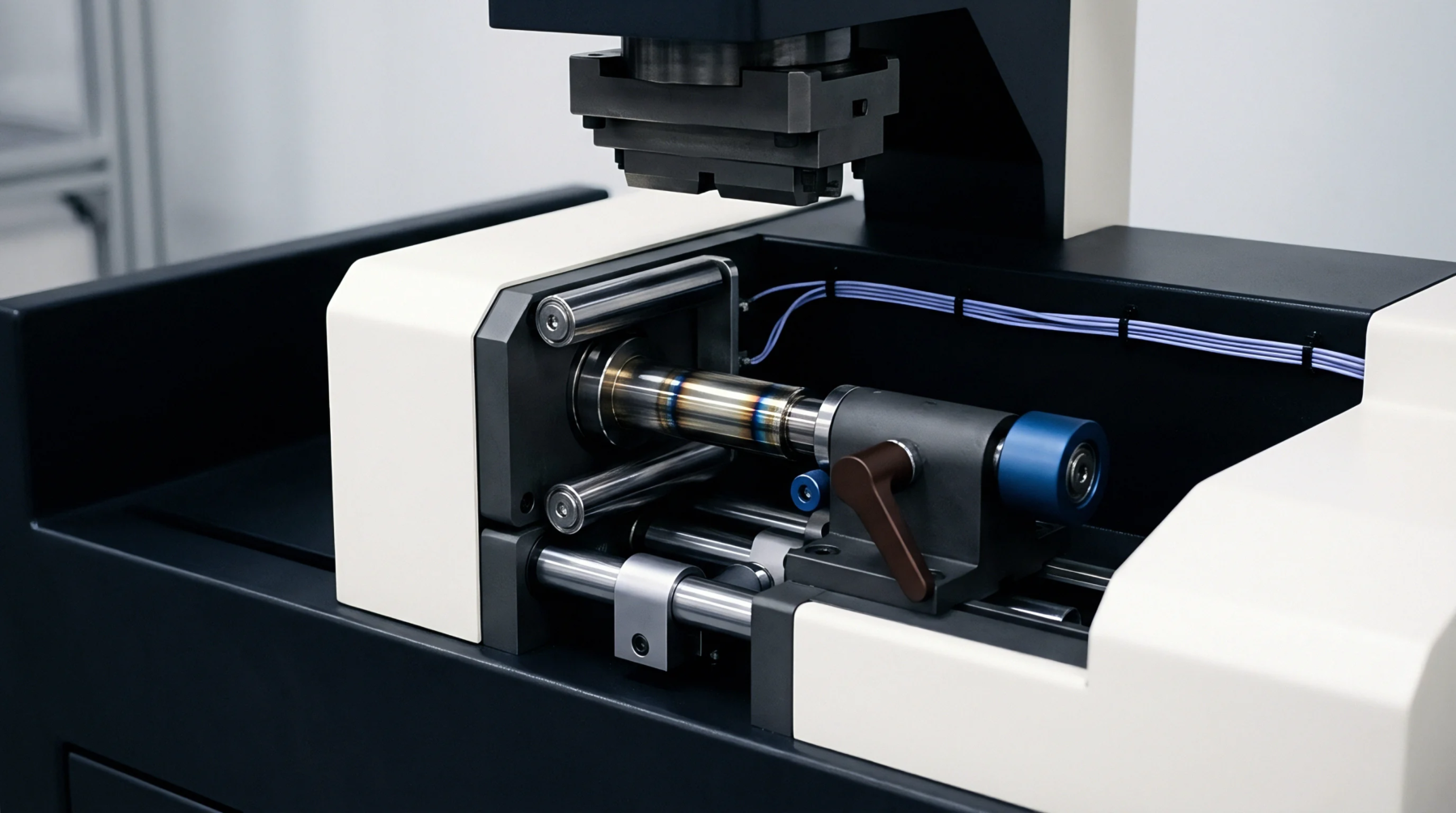
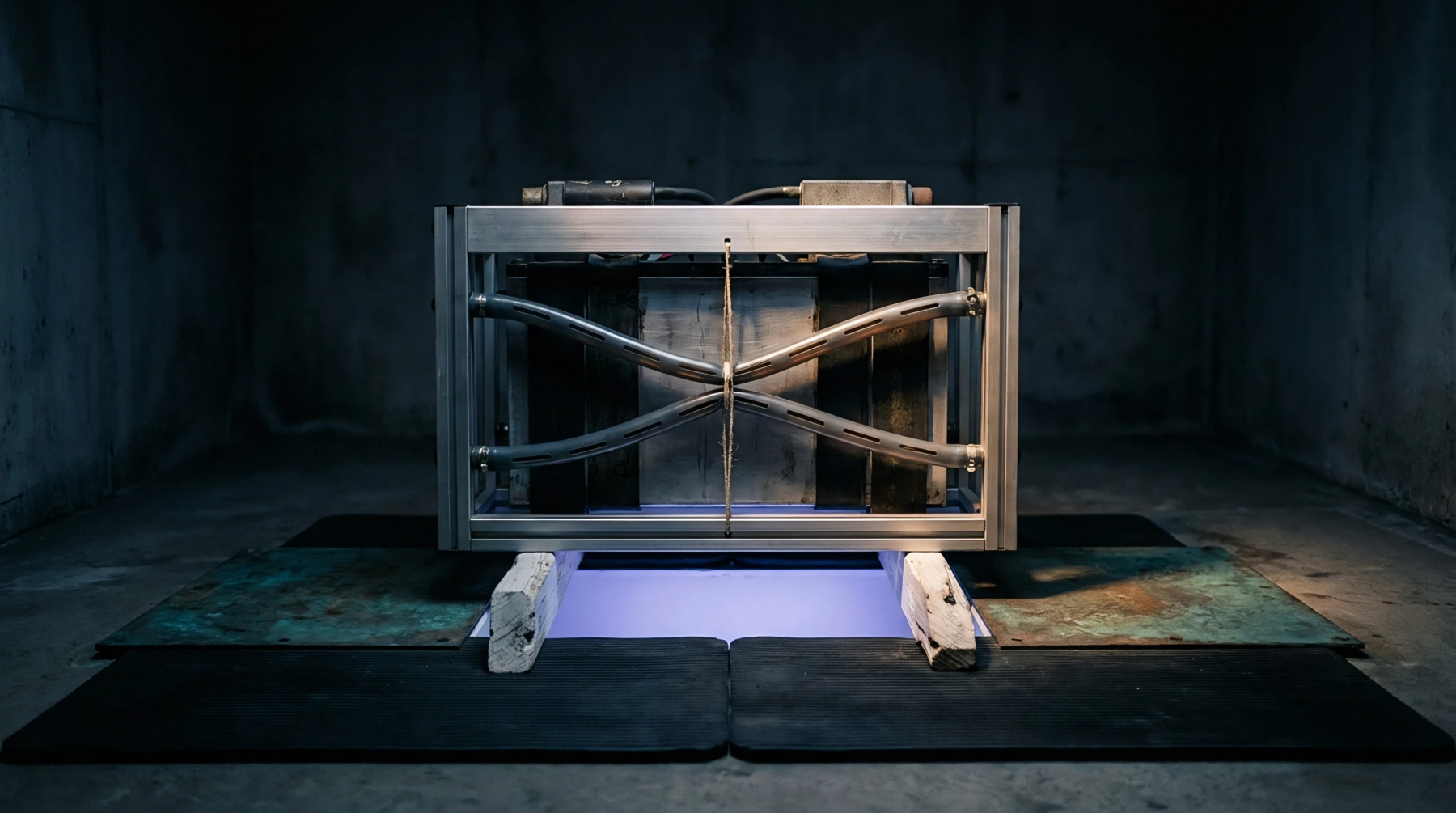
Validating pack durability against multiaxial fatigue requires multi-axis simulation tables capable of reproducing six-degree-of-freedom road road profiles. Sub-system testing applies coupled axial and torsional hydraulic actuators to structural node specimens. Instrumentation using triaxial strain gage rosettes measures local strain tensors during durability testing.
Inspection routines utilize dye penetrant or ultrasonic non-destructive testing to detect micro-crack formation before structural failure occurs during validation trials.