
Low Temperature Electrolyte Selection Principles for Industrial Battery Packs
Electrolyte selection below minus twenty degrees Celsius requires low viscosity esters and imide salts to prevent lithium plating and maintain cell discharge capacity.
Electrolyte selection below minus twenty degrees Celsius requires low viscosity esters and imide salts to prevent lithium plating and maintain cell discharge capacity.
Auditing raw battery cycling time-series exports reveals hidden test anomalies, temperature manipulations, and truncated statistical data in vendor dossiers.

Dynamic anode potential control above 50 mV suppresses crystalline silicide formation, preserving amorphous silicon structure and extending cycle life.

Tuning cell lower cutoff voltage above 2.8V prevents silicon crystallization into c-Li15Si4, suppressing volumetric failure and tripling total cycle life.

Sub-zero cell performance requires selecting chemistries with low desolvation energy, active thermal pre-heating, and verified low-viscosity electrolytes.

Controlled stack pressure suppresses terminal crystalline phase transitions in silicon alloy anodes, doubling cell cycle life through mechanical containment.

Laboratory qualification of LiFePO4 cells demands precise mechanical clamping, strict IEC cycling regimes, and Arrhenius acceleration to verify true capacity retention.
LFP capacity loss stems primarily from active lithium loss via interphase growth, requiring differential capacity screening and precise thermal control.

Precision state of charge settings and active reefer climate control prevent capacity loss and internal resistance growth during oceanic container transit.

Differential capacity analysis transforms flat LFP voltage plateaus into distinct peak signatures to quantify lithium loss and electrode decay non-destructively.

Lattice oxygen evolution and transition metal leaching in ultra-high nickel cathodes require bulk doping, surface passivation, and strict procurement controls to prevent severe full-cell capacity loss.
Silicon anodes demand strict lower cutoff voltage limits and cross-linked polar binders to restrict volume expansion and prevent continuous interphase degradation.

Operando NMR isolates trapped dead lithium during sub-zero fast charging, enabling quantitative plating prevention and dynamic charging algorithm design.

Differential capacity analysis extracts thermodynamic phase boundaries to deconvolve lithium inventory loss from active material degradation non destructively.

Restricting silicon anode lithiation potential above fifty millivolts prevents crystalline phase formation and expands cycle life.
Sub-zero fast charging of high-loading anodes causes localized salt precipitation and concentration polarization, requiring low-viscosity solvents and graded porosity.

Silicon anode lithiation requires voltage cutoff management above 50 mV vs Li/Li+ to prevent c-Li15Si4 crystallization and severe mechanical capacity loss.
Sub-zero fast charging shifts anode overpotential negative, forming non-reversible plated lithium that degrades cell capacity and demands strict BMS thermal thresholds.

Early impedance growth exposes internal battery interphase degradation long before standard capacity tests reveal physical performance loss.
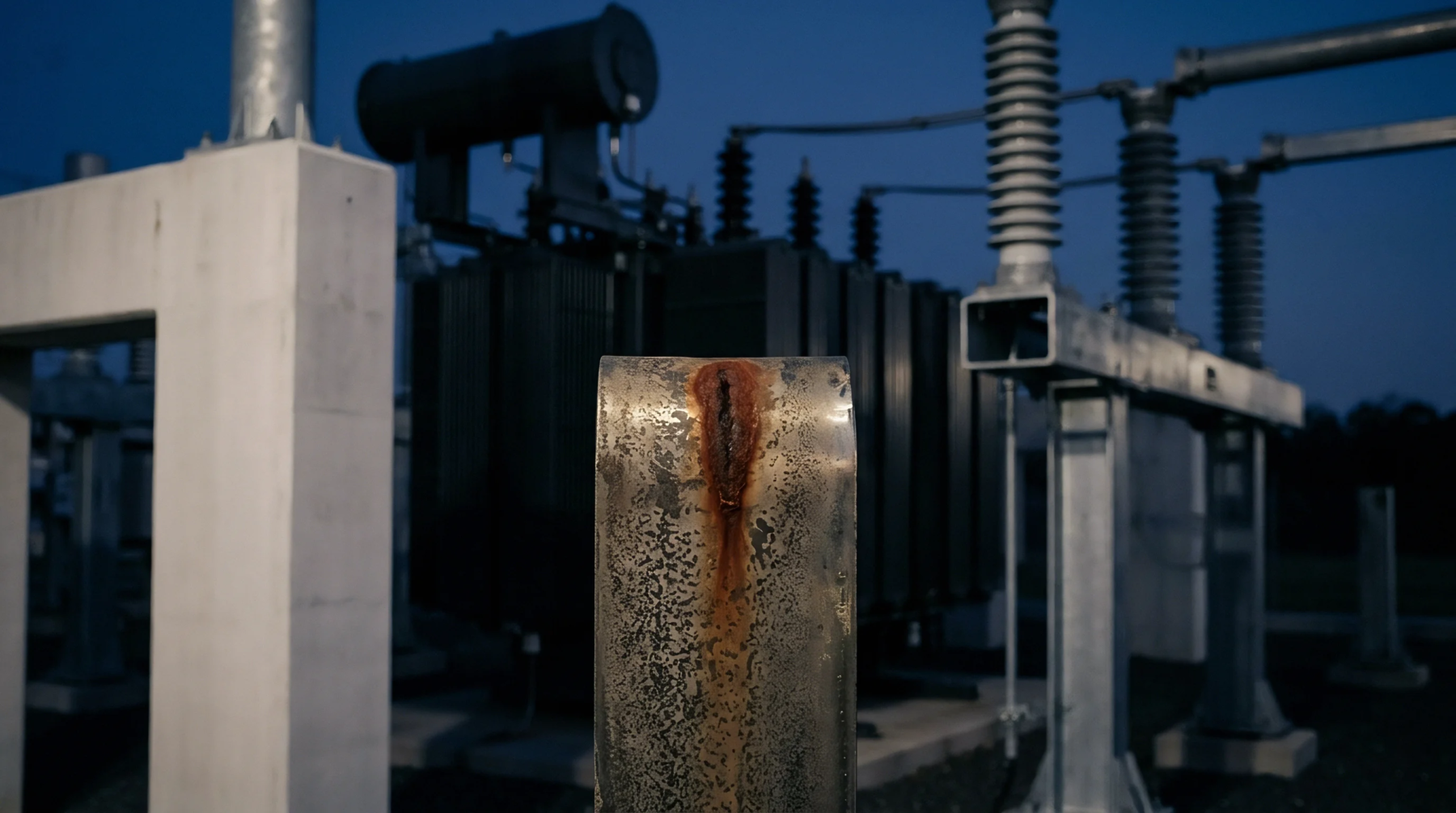
Low-rate galvanostatic testing isolates lithium loss from material degradation, providing true chemical health metrics that standard factory checks mask.
Prismatic LFP degradation stems primarily from loss of active lithium to anode SEI growth, accelerated by high state-of-charge storage and stack pressure.
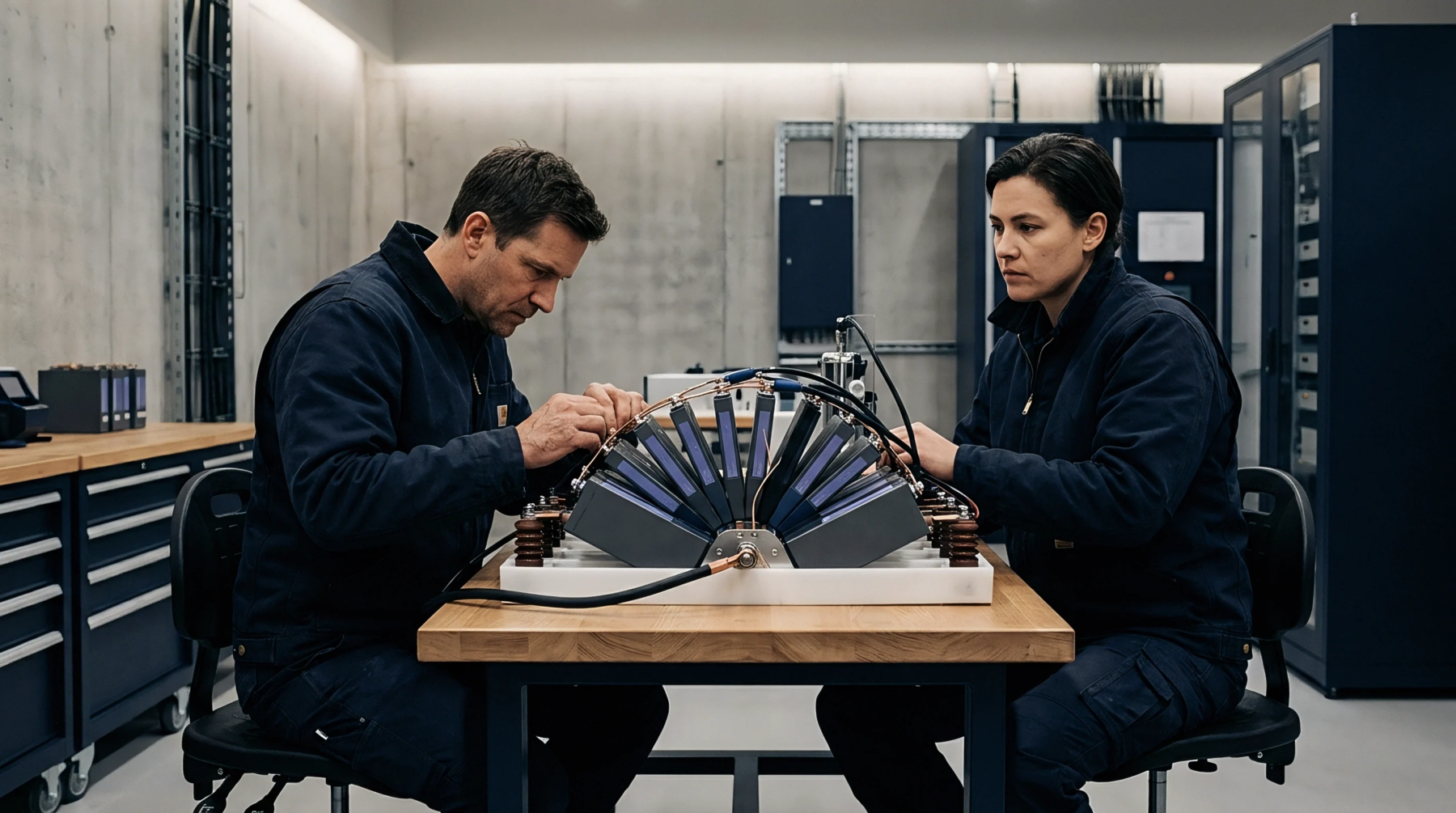
Cold climate warranty enforcement requires temperature-normalized 25°C thermal recovery soaking and cryptographic BMS logging to substantiate degradation claims.
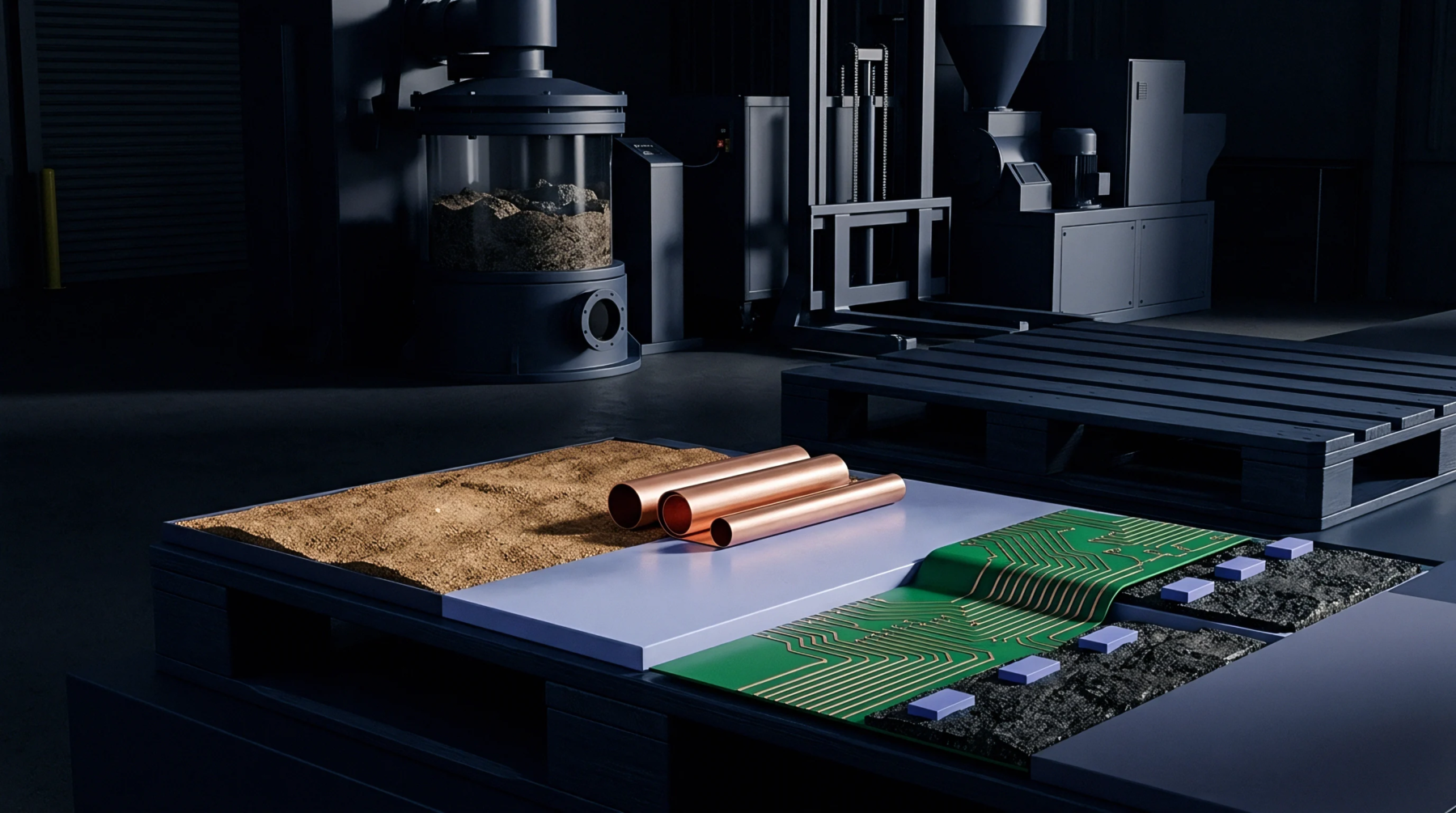
LFP outperforms NMC in non-resting duty cycles by maintaining lattice stability, eliminating continuous microcracking, and cutting cooling costs over 4,000 cycles.

Sub-zero lithium-ion charging without precise current derating triggers irreversible anode plating, driving immediate capacity loss and fire hazards.
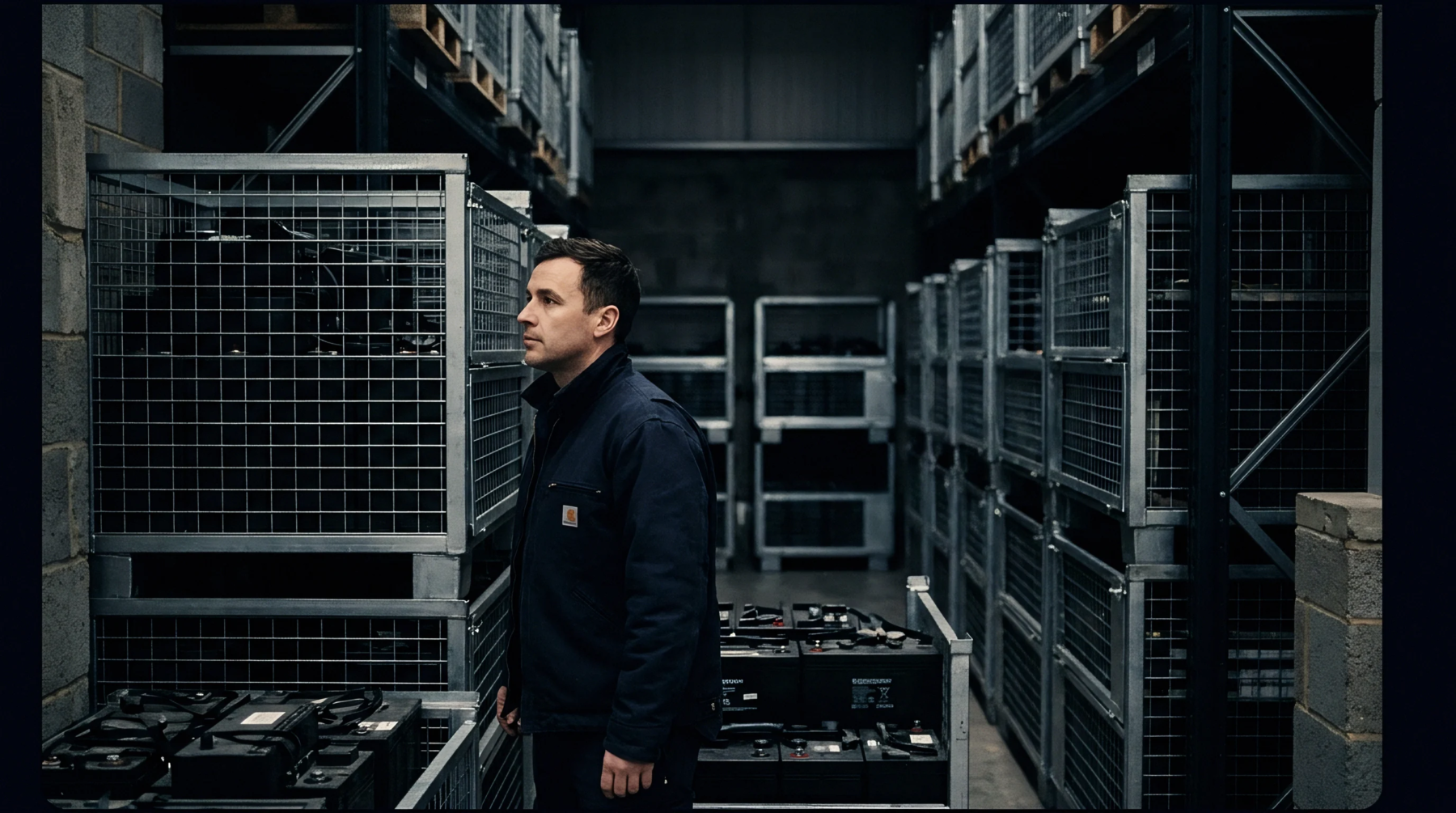
Datasheet shelf life claims hide permanent capacity loss and resistance growth; real storage stability demands dock impedance screening and temperature tracking.
Expertise is a utility, not a secret. sentiention™ publishes its working knowledge as open reference: intelligence layer covering the materials it sources, the markets it enters, and the reference that serves both.