
Module Endplate Deflection Modeling under Dynamic Battery Volumetric Expansion
Modeling endplate deflection requires coupling dynamic state-of-charge expansion with long-term degradation growth to set pre-load tolerances under 0.5 mm.
Modeling endplate deflection requires coupling dynamic state-of-charge expansion with long-term degradation growth to set pre-load tolerances under 0.5 mm.
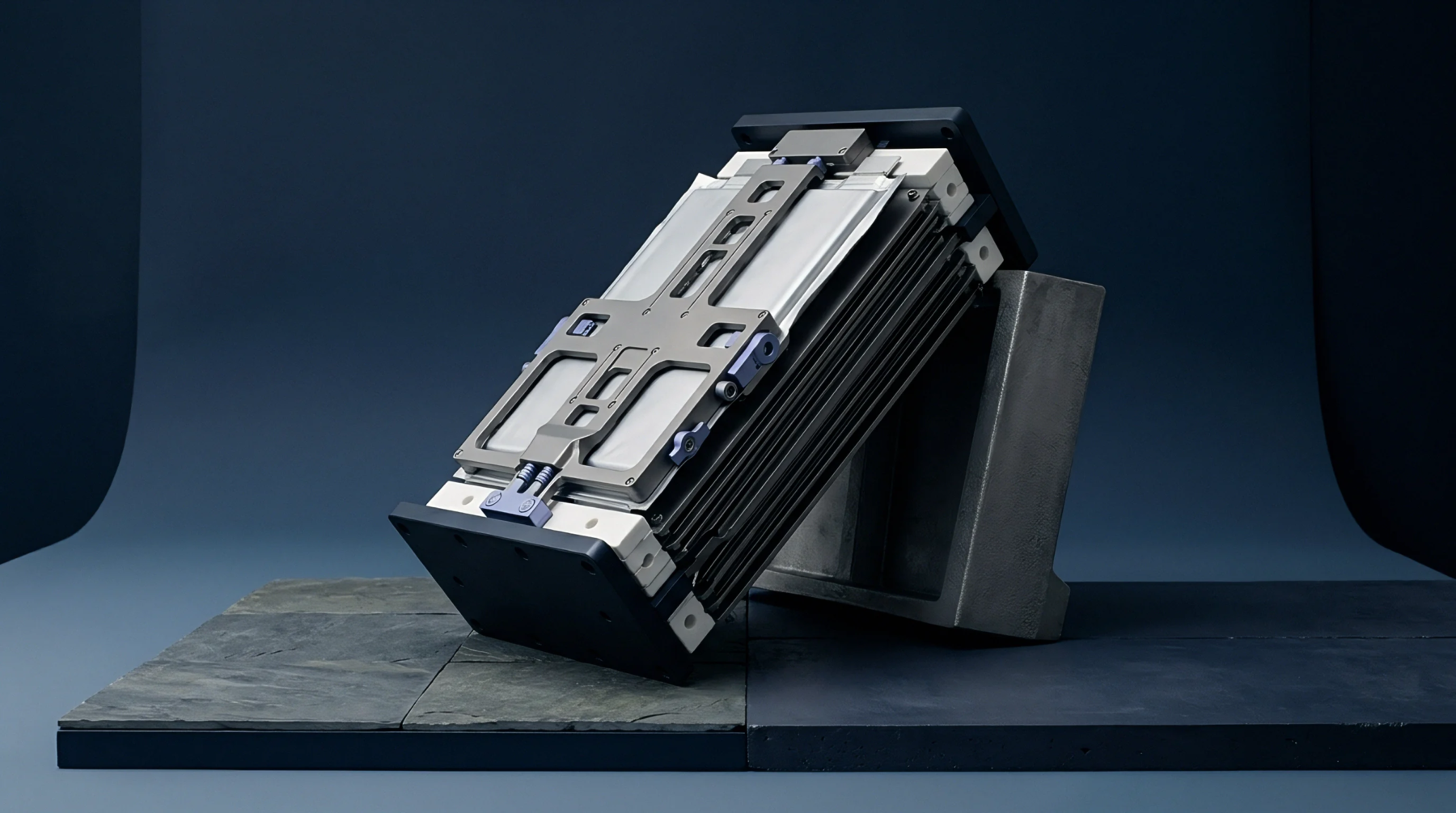
Dynamic swelling in pouch modules demands tuned inter-cell foam compliance and rigid end plates to prevent localized lithium plating and capacity degradation.
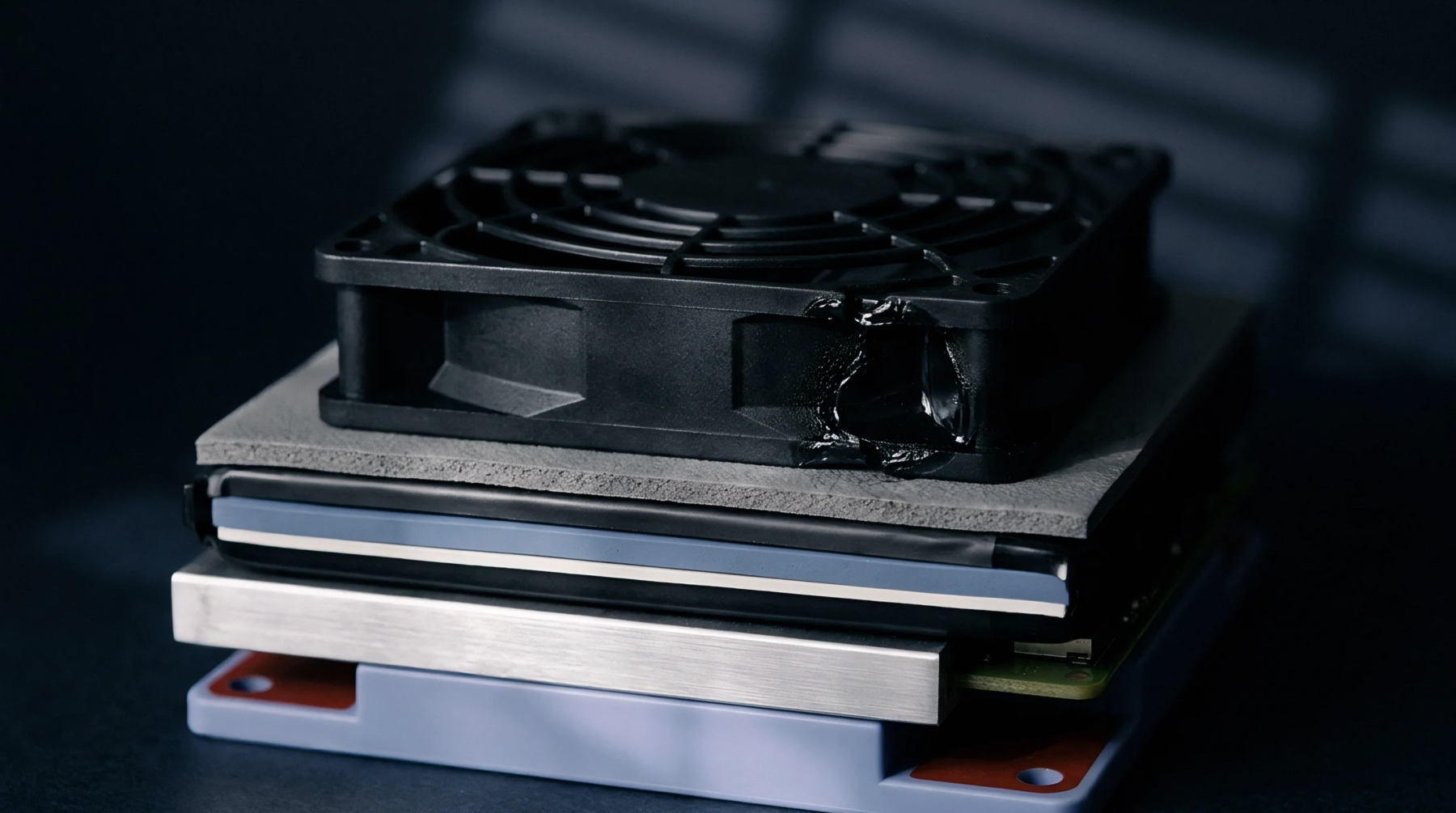
Dynamic stack creep formulations determine cell life by preventing interfacial delamination at low states of charge and lithium plating at high swelling limits.
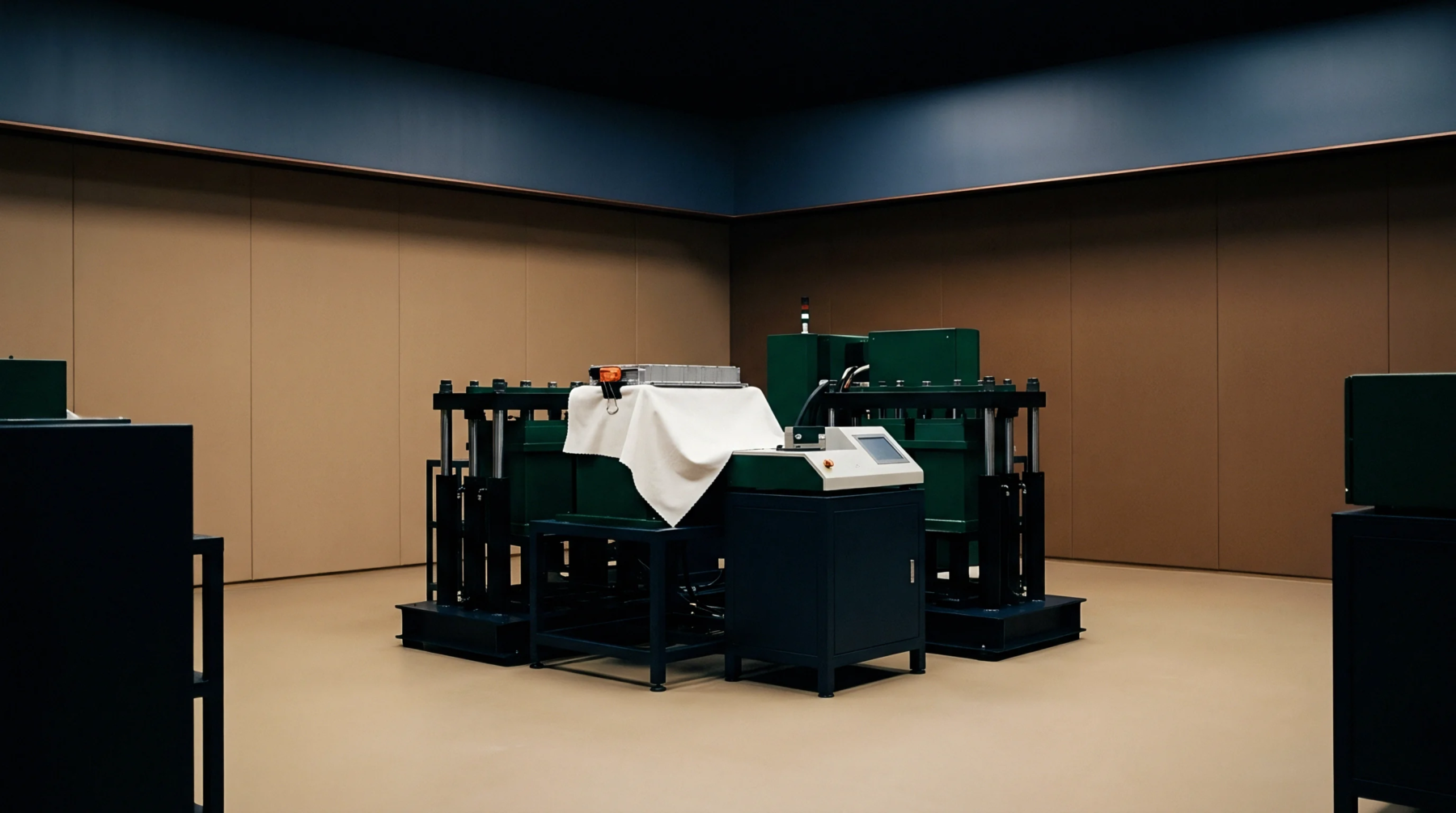
Compliant compression frameworks balance silicon anode breathing between 0.1 and 0.8 MPa using tailored elastomeric pads and springs to avoid separator collapse.

Miscalibrating compression pad relaxation models during fast charge cycles risks stack force decay below minimum thresholds, driving cell impedance spikes.

Optimizing battery preload requires balancing compliant cushions and chassis stiffness to hold cell pressure between 0.10 MPa and 1.0 MPa across full lifecycle.
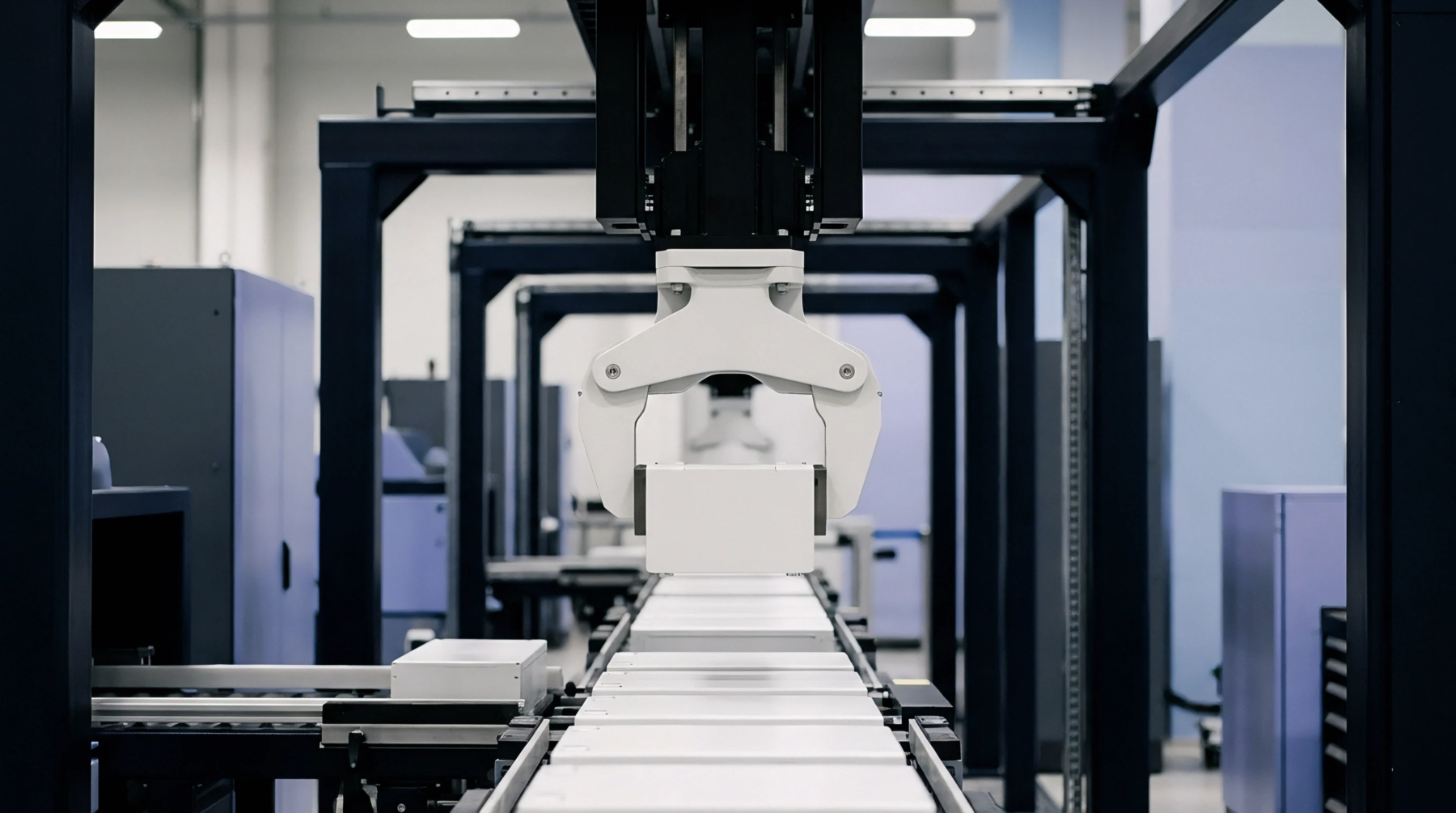
Maintain beginning of life cell preload between 0.08 and 0.15 MPa to prevent electrode delamination while preventing separator collapse and end plate deformation.
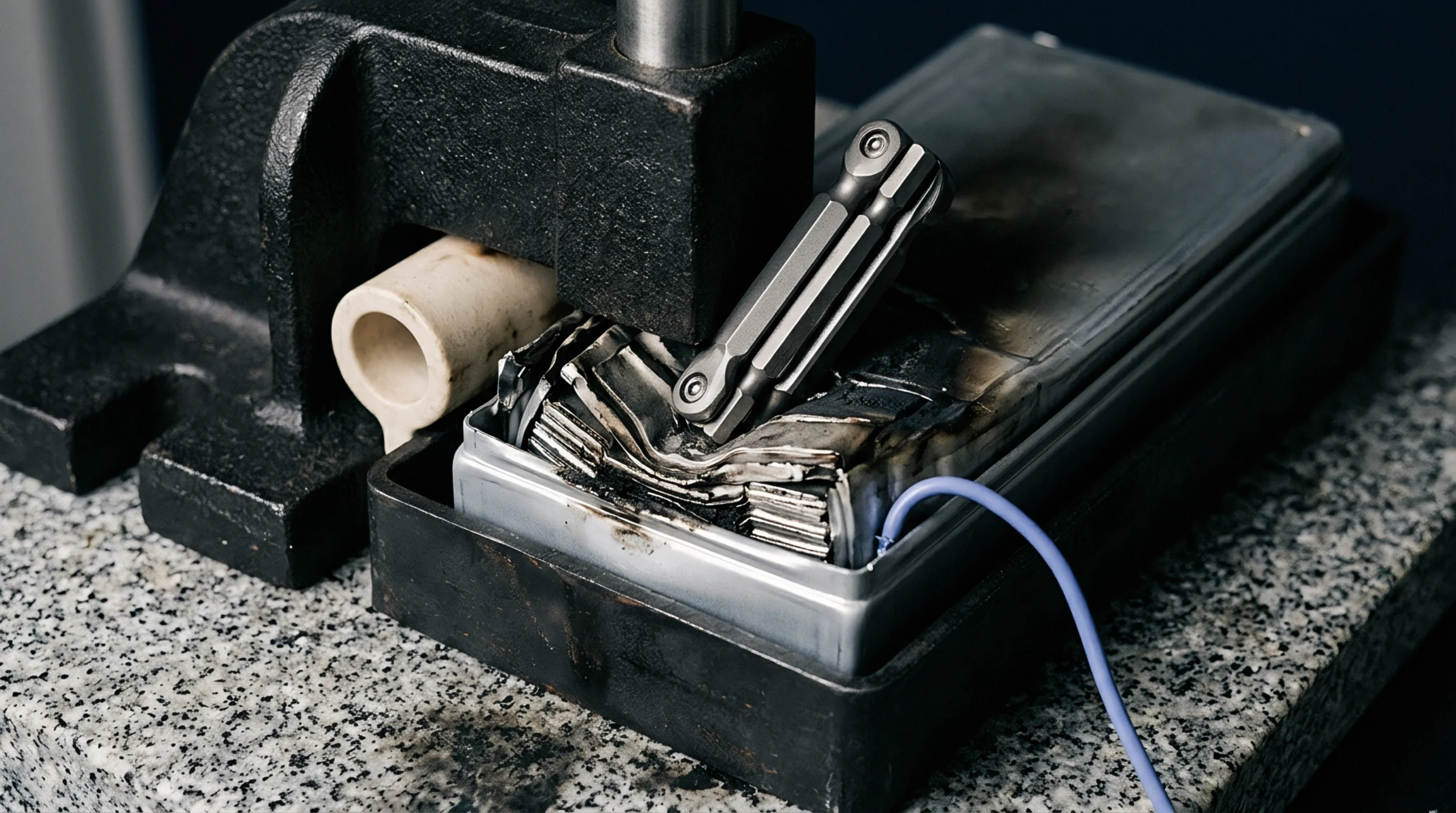
Calibrated prismatic clamping balances casing creep against separator pore collapse to sustain cell capacity across continuous charge swelling cycles.

Mechanical pre-load between 0.2 and 0.5 MPa optimizes cycle life by preventing graphite delamination while maintaining pore network ionic diffusivity.
Expertise is a utility, not a secret. sentiention™ publishes its working knowledge as open reference: intelligence layer covering the materials it sources, the markets it enters, and the reference that serves both.