Meaning
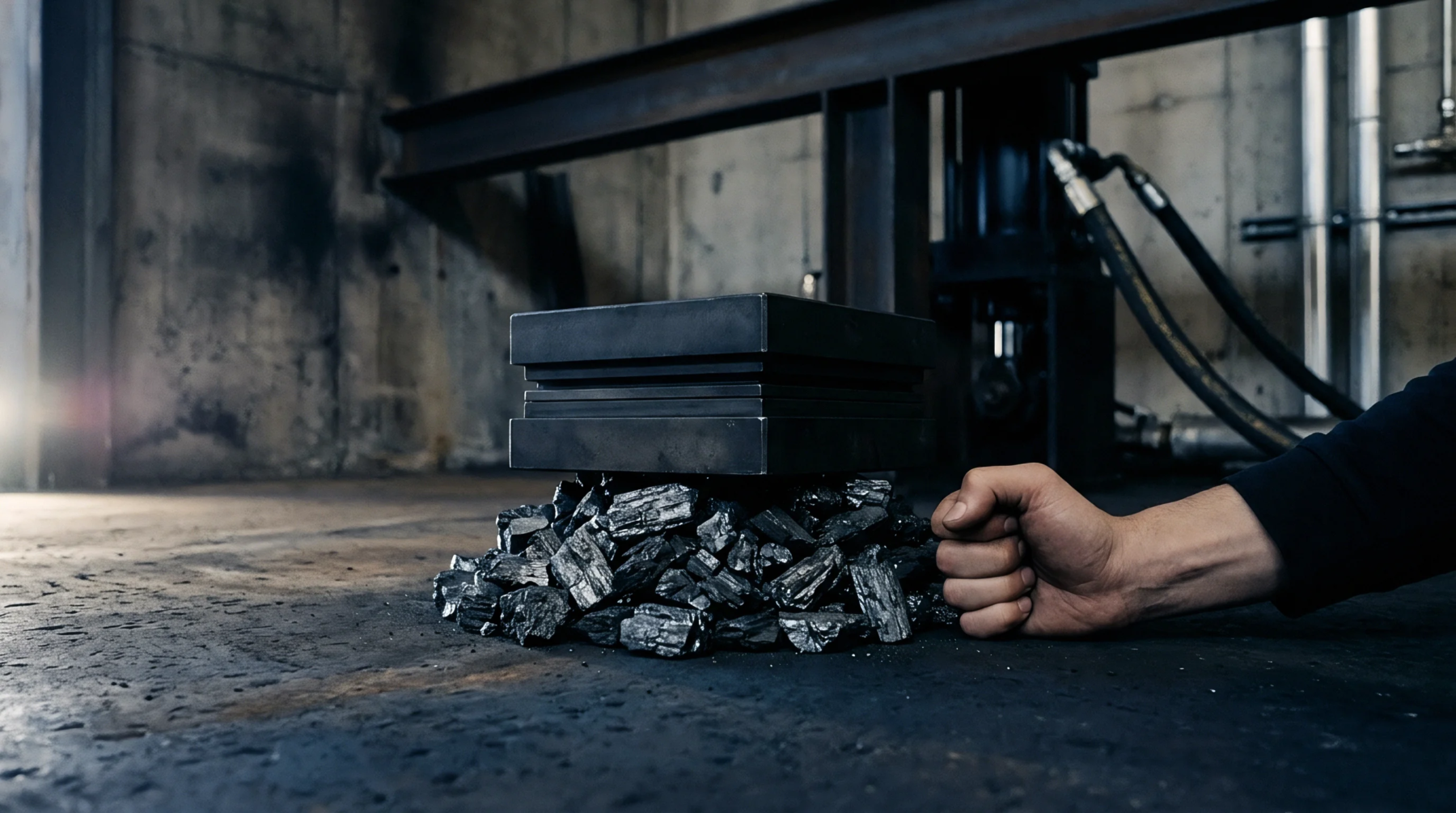
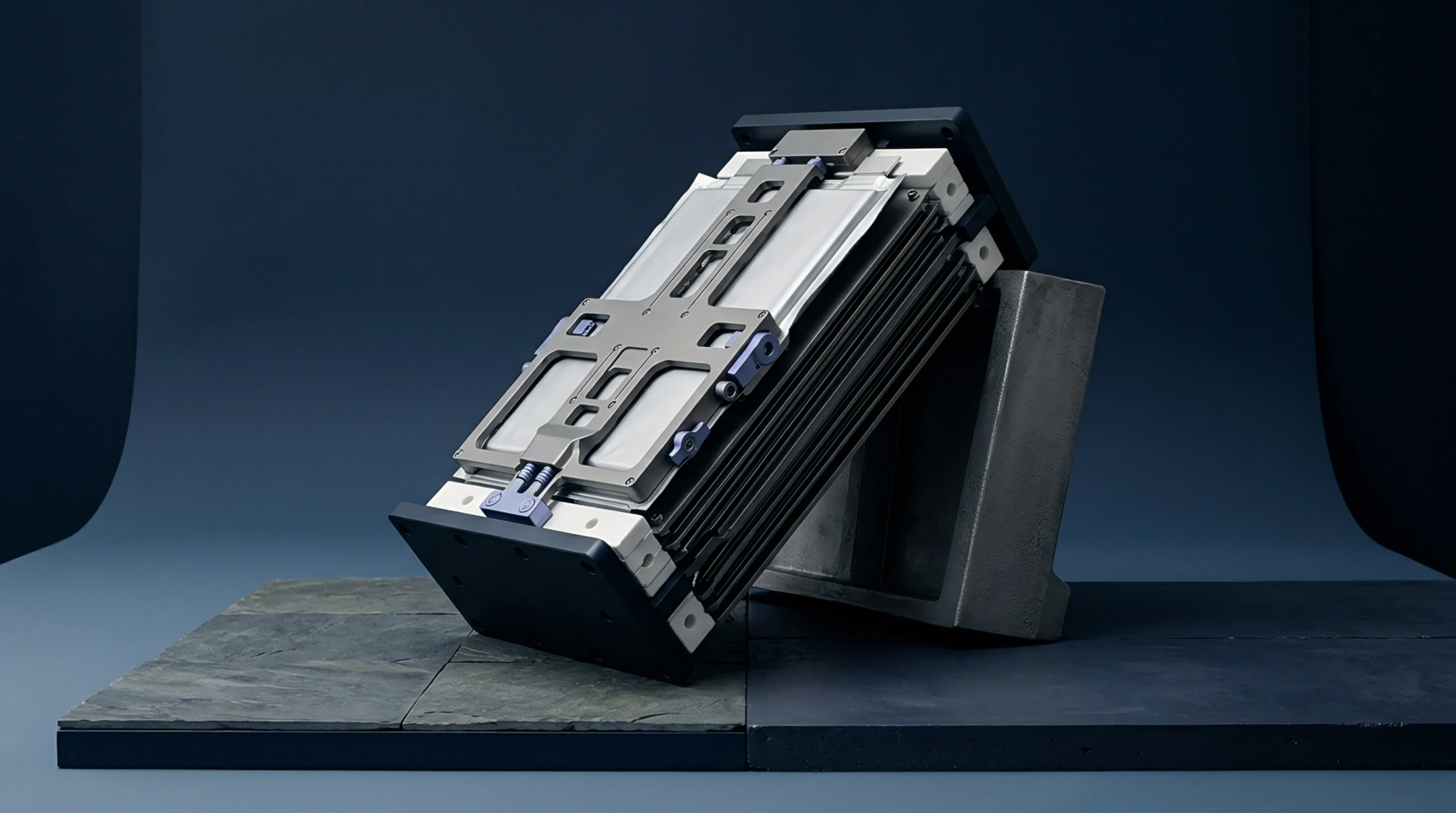
Rechargeable battery chemistry based on the movement of sodium ions between a transition metal oxide cathode and a hard carbon anode offers a low-cost alternative. This emerging cell chemistry, referred to as Sodium-Ion, utilizes widely available raw materials to reduce reliance on expensive and scarce materials like lithium and cobalt. Sourcing managers evaluate this technology for stationary energy storage and light electric vehicles where cost is more critical than high energy density.
When these cells are manufactured, they use aluminum current collectors on both the anode and cathode, further reducing the material cost of the battery. This chemistry represents a major diversification of the battery supply chain.
Chemical Mechanism
Working principles of this battery chemistry are similar to those of lithium-ion systems, involving the intercalation of ions into the electrode host structures. This Sodium-Ion technology relies on the transport of sodium ions through a liquid electrolyte during charge and discharge cycles. The larger physical size of the sodium ion results in lower diffusion rates within the active materials, which can limit the power density compared to lithium-based systems.
However, ongoing research continues to improve the structural stability of the electrodes to enable faster charging.
Material Advantage
Abundant raw materials and low production costs are the primary benefits of this chemical system, which avoids the geopolitical risks of the lithium supply chain. The use of hard carbon anodes and sodium-based transition metal oxides makes these cells less susceptible to material shortages and price volatility. In addition, these batteries are safer to transport and store because they can be fully discharged to zero volts without damaging the cell components or creating safety hazards.
Procurement Sourcing
Sourcing decisions for utility-scale energy storage projects are increasingly influenced by the financial benefits of these batteries, particularly in price-sensitive markets. Procurement teams utilize these cells to secure long-term contracts that are insulated from the price spikes of the lithium market. Sourcing contracts focus on the cost per cycle and the long-term reliability of the chemistry, which helps offset its lower initial energy density.
By integrating this technology into their portfolios, companies can expand their supply options and protect themselves against supply chain disruptions.