Meaning
The physical pressure exerted by the internal chemical contents of a battery cell against its containment walls during charging. This swelling force increases as lithium ions move into the anode lattice and create mechanical expansion at the molecular level. It measures the outward load that the battery pack structure must resist to prevent cell bulging or structural failure.
This variable stops applying once the cell is at zero percent state of charge where its volume reaches its minimum value. Every cell frame is designed with a specific tension limit based on the maximum anticipated pressure from the chemistry. Integration requires understanding these forces to size the tie rods and end plates that keep the entire assembly compressed.
Expansion Mechanism
Anodes grow larger when fully saturated with lithium ions because the host material stretches to accommodate the incoming charge. In constrained systems, this volume change creates a predictable swelling force that builds within the module as the voltage rises. Thermal effects also contribute as electrolytes heat up and increase the gas pressure inside the sealed foil or metal can.
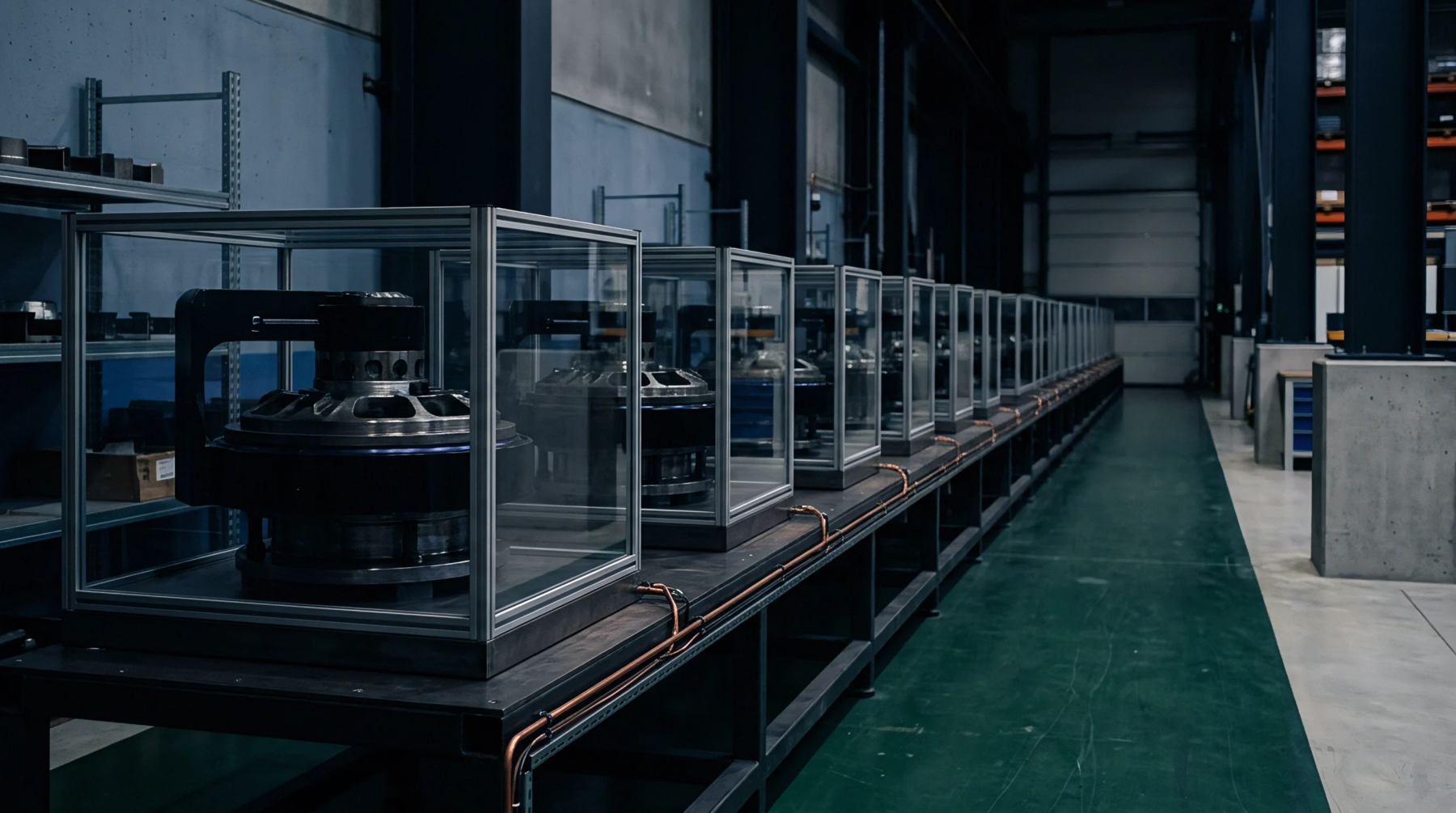
If the mechanical housing is too rigid, the excessive internal pressure can damage the delicate internal separator layers. Conversely, if the frame is too loose, the distance between electrodes might fluctuate and alter the charge efficiency. Measuring these loads involves using load cells during automated charge cycles in laboratory conditions.
These data points allow engineers to design enough room for the cells to breathe slightly.
Structural Loading
Hardware must maintain a constant compression to ensure electrical contact and thermal transfer remain consistent throughout the life of the unit. When many cells are grouped together, the combined swelling force acts like a powerful hydraulic press pushing against the end brackets. Tie rods must be thick enough to handle this longitudinal tension without stretching or snapping.
If the structure bows, the internal heat pads might separate from the cell surface and cause overheating. Software monitors the changes in external pressure to identify if individual modules are expanding more than the nominal trend. This indicator helps detect early signs of chemical breakdown or potential safety hazards within the pack.
Robust frames are designed based on the peak force recorded at end of life conditions.
Purchase Criterion
Selection of cells involves comparing how the swelling force varies between graphite based anodes and high silicon mixtures. While high energy formulas offer better density, they create significantly more outward pressure that requires more heavy mounting hardware. This tradeoff moves the choice toward heavier frames or lower density chemistries for specific storage projects.
Procurement logs verify that every module meets the structural resistance standard before it enters the high voltage assembly. If the measured force exceeds the rating, the warranty allows for replacement of the cell before it damages the neighboring modules. Stability ensures that the mechanical load remains within the design safety factor for years of outdoor deployment.
Testing provides the confidence that the pressure will not cause enclosure breaches over the decade of service.