Meaning
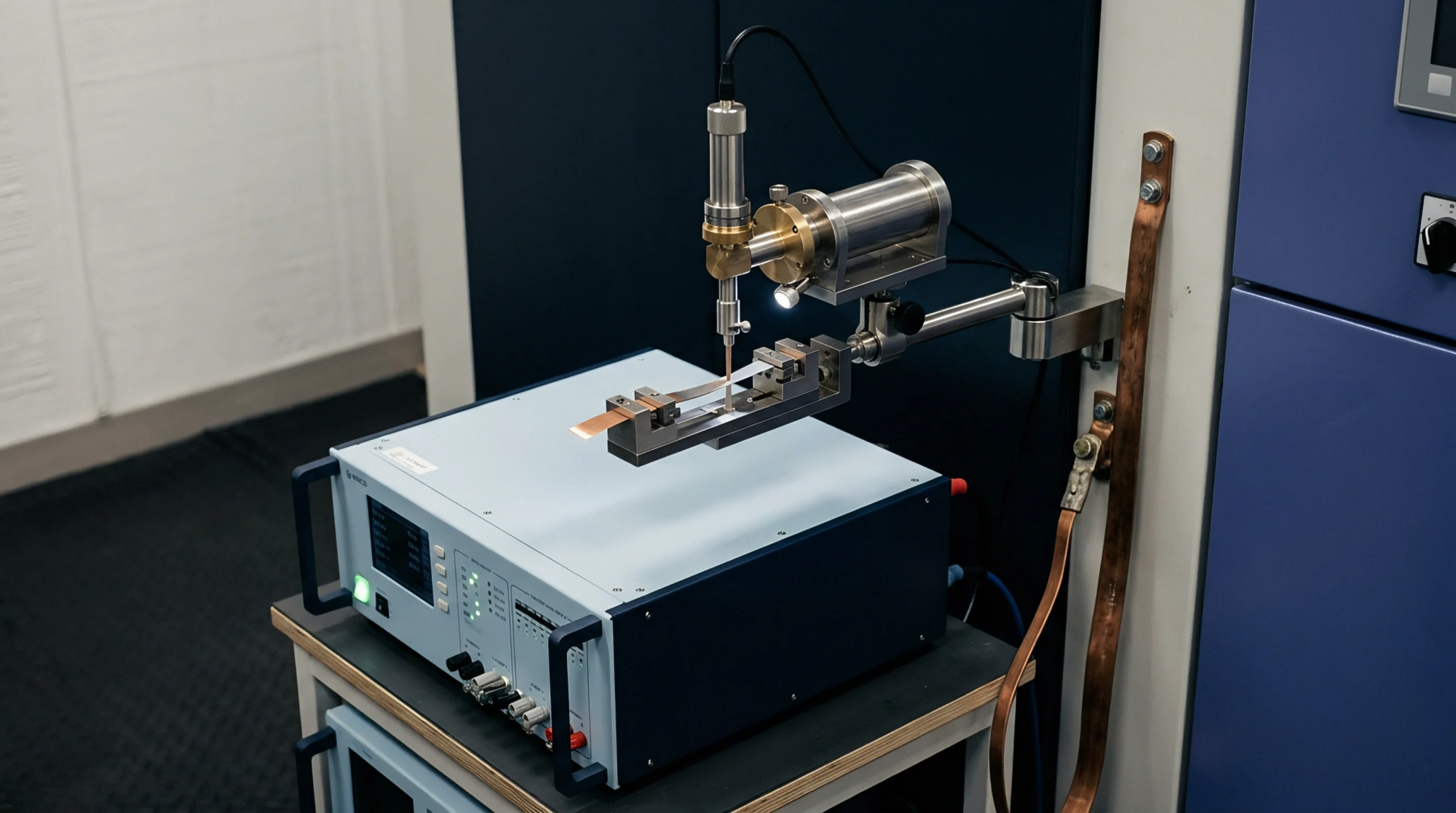
Standard safety protocols subject battery cells to intense physical impacts to simulate transport and operational hazards. Compliance laboratories run the t.4 shock test to verify that the cell structure remains intact after receiving high-acceleration impacts. This evaluation is part of the United Nations transport safety requirements for lithium batteries.
The test is completed when the cell shows no weight loss, leakage or venting. It ensures that the internal components do not dislodge and cause short circuits under vibration or impact.
Stress Level
Acceleration profiles are designed to mimic the severe forces that occur during a transportation accident. In the t.4 shock test, the specimen is subjected to half-sine shock pulses of up to one hundred and fifty times the force of gravity. These shocks are delivered across multiple axes to evaluate the mechanical integrity of the internal cell connections.
Testing Standard
Regulatory compliance is mandatory before any battery batch can be legally transported on public roads or ships. Sourcing teams verify that the cells have passed the t.4 shock test as part of the standard UN38.3 test report. This documentation must be kept on file for all production-grade cells.
Mechanical Validation
Battery casings must survive the mechanical stresses without micro-cracking or electrical insulation failures. When a cell fails the t.4 shock test, the design must be modified to reinforce the electrode tabs and the outer casing. This structural reinforcement ensures that the battery remains safe under real-world operating conditions.