
Enforcing ISO IEC 17025 Accreditation Requirements in Foreign Cell Contracts
Validate foreign cell ISO/IEC 17025 scope annexes for specific test standards before signing purchase contracts to prevent customs holds and uninsurable liability.
Validate foreign cell ISO/IEC 17025 scope annexes for specific test standards before signing purchase contracts to prevent customs holds and uninsurable liability.

Compliant cross-border battery transport requires an unredacted UN 38.3.5 test summary aligning with carton marks and carrier acceptance checks.

Structure entry-hold indemnities with strict admissibility covenants, uncapped demurrage allocations, immediate escrow drawdowns, and mandatory re-export duties.

Hazardous battery storage accelerates to peak penalties within 48 hours; halting accruals requires immediate bonded drayage to an off-dock facility.

Compliant battery imports demand verified UN 38.3 test summaries, accurate dangerous goods declarations, state of charge caps, and partner agency clearances.

Carriers and forwarders share joint remediation liability for abandoned battery cargo under maritime environmental statutes when shippers vanish.

Indemnification clauses shift cargo liability, but uncertified ocean shipments face mandatory vessel hold exclusions and non-negotiable P&I club coverage forfeitures.

Verify UN 38.3 test summaries by validating ISO 17025 scope, cross-checking 10 required fields, and confirming physical cell mass and Wh limits before air tender.

Harmonizing bonded custody with third-country PPAs requires hourly registry retirements linked directly to customs batch entry declarations.
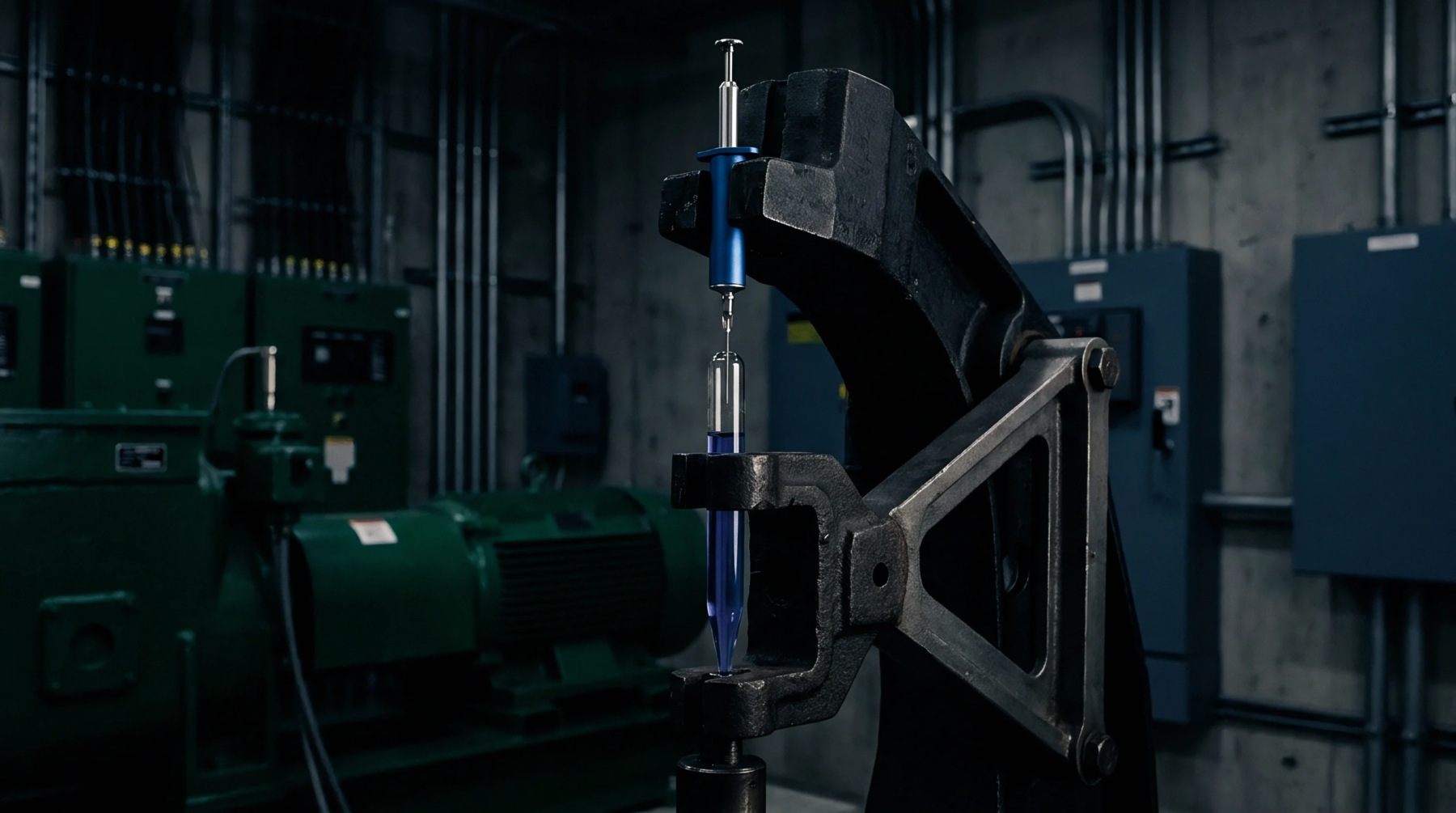
Verify primary vessel fuel burn and reefer auxiliary power under ISO 14083 rather than secondary database defaults to survive EU Battery Regulation audits.

Customs transit declarations suspend duty and import VAT on industrial cells by binding the carrier to an active financial guarantee until inland discharge.

Constraining silicon breathing induces anisotropic bending fatigue in module enclosures, demanding verified shakedown limits and strict batch weld controls.

Nonlinear end plate modeling under silicon swelling requires coupling von Karman membrane stiffness to compressible foam curves to prevent terminal fatigue.
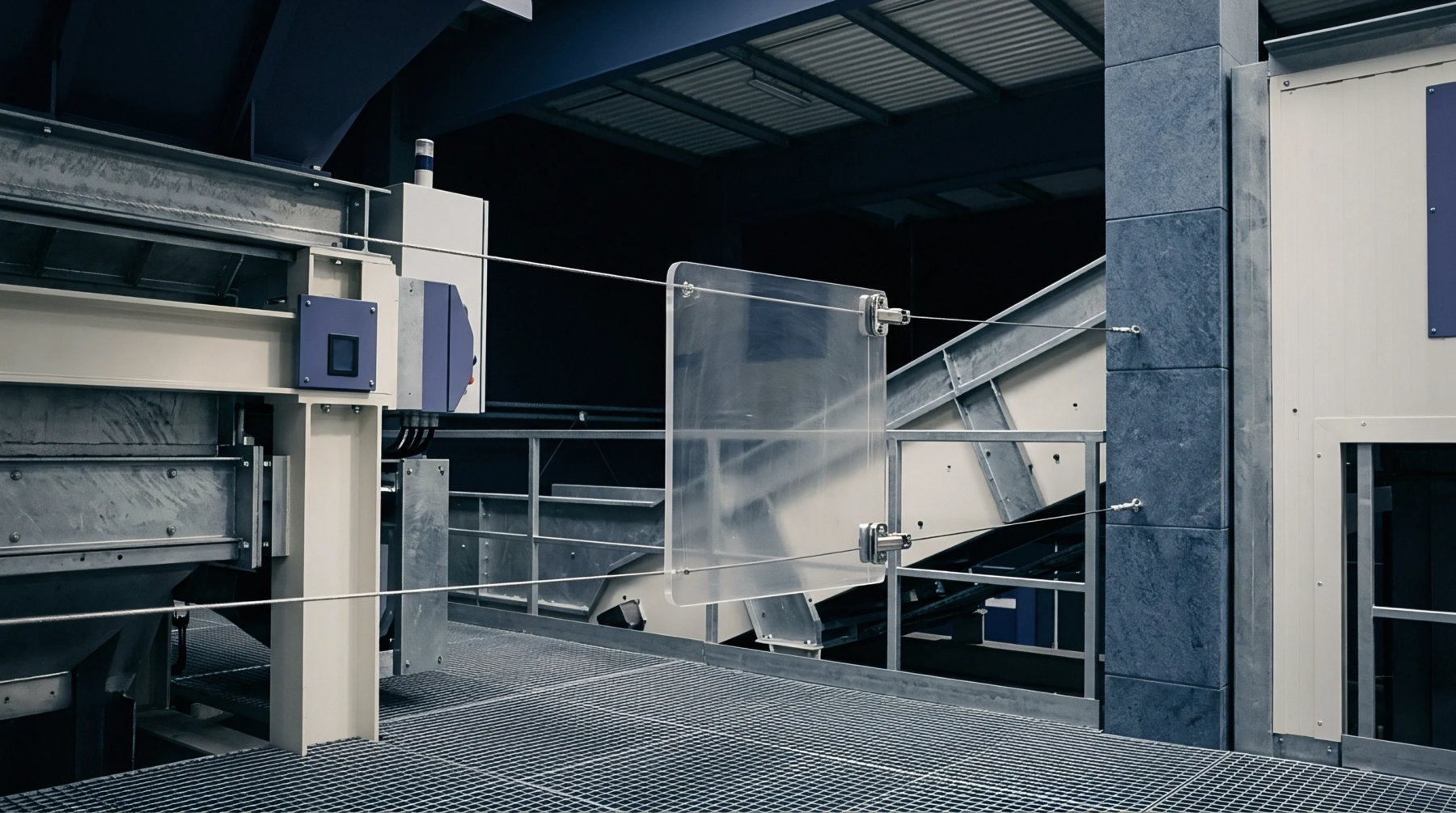
Silicon anode breathing demands calibrated module containment pads that maintain cell face pressure between 0.10 and 0.60 megapascals across life.

Mitigating battery warehouse overpressure demands early off-gas aspiration detection, rack flue segregation, and low-inertia roof venting calibrated to NFPA 68.
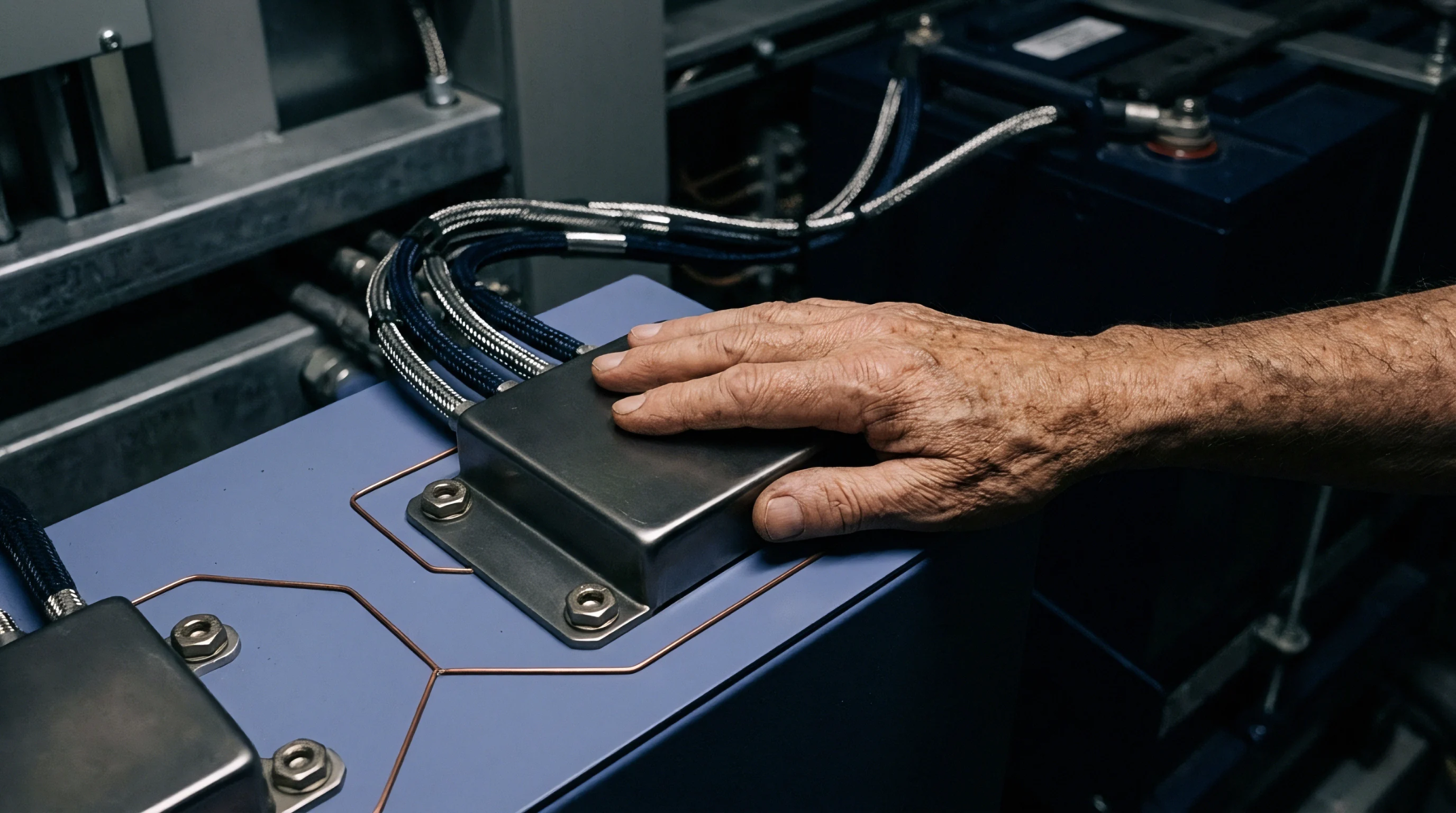
NFPA 68 deflagration vent sizing for high bay BESS depends on UL 9540A peak gas volumes, fundamental burning velocity, and enclosure structural limits.

Quantifying warehouse off-gas flammability requires testing-derived constituent volumes, Le Chatelier LFL kinetics, and rapid plume dilution.

Dynamic stripping above critical diffusion limits nucleates interfacial voids, concentrating recharge current and causing catastrophic internal dendrite shorts.

Dynamic battery breathing drives conical disc springs into nonlinear fatigue regimes, where inner-diameter cyclic tensile stress governs pack clamping life.

Solid state EV cells require 0.1 to 5.0 MPa continuous stack pressure to prevent interfacial voiding, adding substantial module mass and complexity.

Battery passport architectures streamline dangerous goods clearance by binding UN 38.3 test summaries to machine-readable declarations at customs borders.

Validate UN 38.3 test summaries by matching all ten 38.3.5 fields, laboratory accreditation, and exact pack mass against shipping manifests before clearance.

Lithium cell transit mandates Class 9 classification, certified UN 38.3 summaries, verified low charge states, and rigid UN-spec packaging across air and sea.

Ohmic gradients across large current collectors distort differential capacity peaks, requiring rate-adjusted spectroscopy to prevent false SOH degradation claims.
Internal temperature gradients trigger localized current crowding and plating; tab cooling and real-time core thermal estimation mitigate premature cell failure.

Tracking dual-phase cathode current divergence under thermal gradients protects cells from localized overcharge and premature capacity rejection.

Multi-terminal differential voltage slope discrepancies arise from geometric foil potential drops, requiring dedicated Kelvin sensing to prevent false rejection.

Decoupling thermal overpotential from true cell degradation isolates core thermal acceleration to prevent masking irreversible impedance growth.

Differential capacity peak tracking isolates cell-level lithium inventory loss and phase degradation before packaging, reducing latent pack failure risks.
Galvanostatic relaxation protocols decouple ohmic, interfacial, and transport overpotentials in prismatic cells to identify electrolyte starvation.
Expertise is a utility, not a secret. sentiention™ publishes its working knowledge as open reference: intelligence layer covering the materials it sources, the markets it enters, and the reference that serves both.