
Anode Potential Suppression Thresholds during Low Temperature Fast Charging
Anode potential suppression below zero volts triggers irreversible lithium plating during sub-zero fast charging, requiring closed-loop potential control.
Anode potential suppression below zero volts triggers irreversible lithium plating during sub-zero fast charging, requiring closed-loop potential control.

Stationary battery storage baseline rules mandate a three-foot separation between units unless UL 9540A testing proves heat flux stays under critical thresholds.

High temperature storage accelerates iron dissolution and anode migration in prismatic cells, causing self-discharge, SEI breakdown, and irreversible capacity loss.
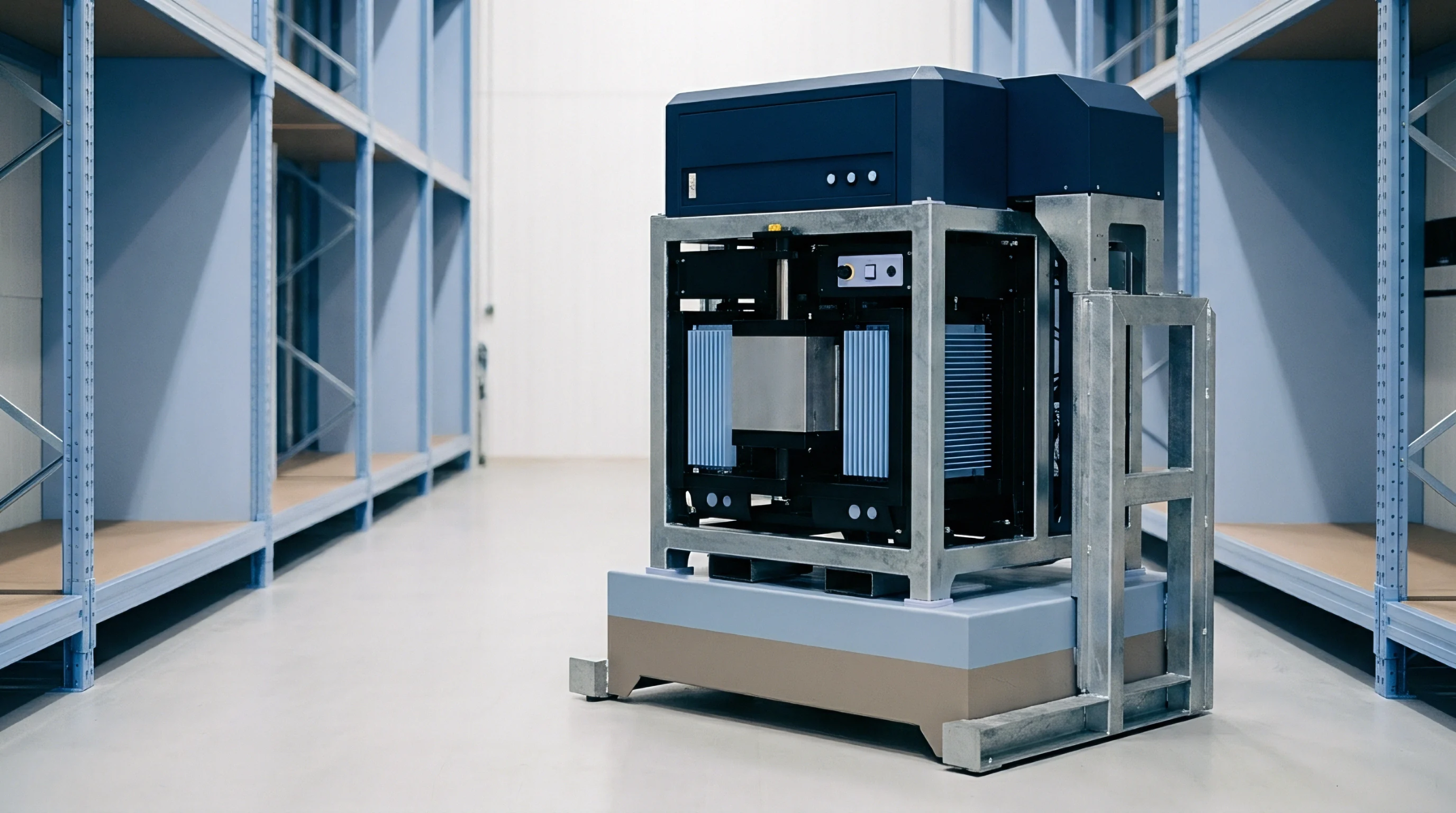
Customs holds on non-compliant cell shipments generate compounding dangerous goods demurrage fees that require enforceable supplier indemnities and payment holdbacks.

Hazardous goods audit frameworks require verified UN 38.3 test summaries, strict state of charge caps, and compliant packaging to ensure legal transport authorization.

Verify UN 38.3 reports by matching test dates against active ISO 17025 scopes from ILAC MRA national registries before shipping to avoid customs holds.

Helium leak quantification below 1e-6 mbar L/s requires background suppression, flow conversion modeling, and strict pouch heat seal quality control.

Verify UN 38.3 test summaries by matching technical report fields against accredited lab databases, factory trace codes, and physical SOC transport limits.

Operando multi-point optical fiber sensing isolates localized metallic lithium plating by decoupling spatial thermal expansion from anisotropic mechanical strain.

Decoupling Seebeck voltage offsets requires bipolar pulse excitation or spatial thermal modeling to isolate thermo-galvanic artifacts from true electrochemical overpotentials.

Commercial pouch cell procurement contracts require specifying helium mass spec leak thresholds below 2.69 × 10⁻⁶ mbar·L/s to prevent moisture ingress and HF acid formation.

High-voltage cathode surface phase reconstruction converts layered lattices into resistive rock-salt layers, requiring surface doping and fluorinated electrolyte additives to secure long-term cell capacity and safety compliance.

UN 38.3 mandates eight environmental and electrical safety tests for lithium batteries, requiring verified test summaries for legal commercial transport.

A UN 38.3 test summary requires ten mandatory data fields, lab accreditation validation, and exact serial batch matching to clear dangerous goods air freight.

Verify UN 38.3.5 test summary lab accreditation, physical model metrics, and 30 percent SOC limits prior to air cargo tendering to avoid stranded shipments.

Dynamic intra-cell thermal gradients generate thermoelectric voltage noise that masks lithium plating signals; decoupling algorithms isolate true stripping.
Low-rate galvanostatic testing isolates lithium loss from material degradation, providing true chemical health metrics that standard factory checks mask.

Helium leak rates overstate organic solvent vapor outgassing by orders of magnitude due to Knudsen flow transitions and lower internal solvent partial pressures.

GC-MS headspace analysis measures intrinsic electrolyte solvent vapors to detect sub-micron battery seal micro-leaks below 10^-7 mbar L/s without cell destruction.

High-voltage cathode operation drives surface oxygen loss and rock-salt phase layer growth, raising charge resistance and requiring strict surface coating audits.

Detect laboratory data smoothing and sensor decoupling by auditing raw ADC noise floors, checking residual autocorrelation, and parsing native cycler binary files.

Non-compliant lithium cell transport certification exposes importers of record to strict regulatory fines, cargo detention costs, and unindemnified marine insurance losses.

Auditing UN 38.3 summary files against lab accreditations and physical cell parameters before export prevents dock holds, demurrage charges, and carrier rejections.

Verifying UN 38.3 test summaries requires matching physical cell markings, mass, and laboratory ISO 17025 scope against mandatory section 38.3.5 fields.
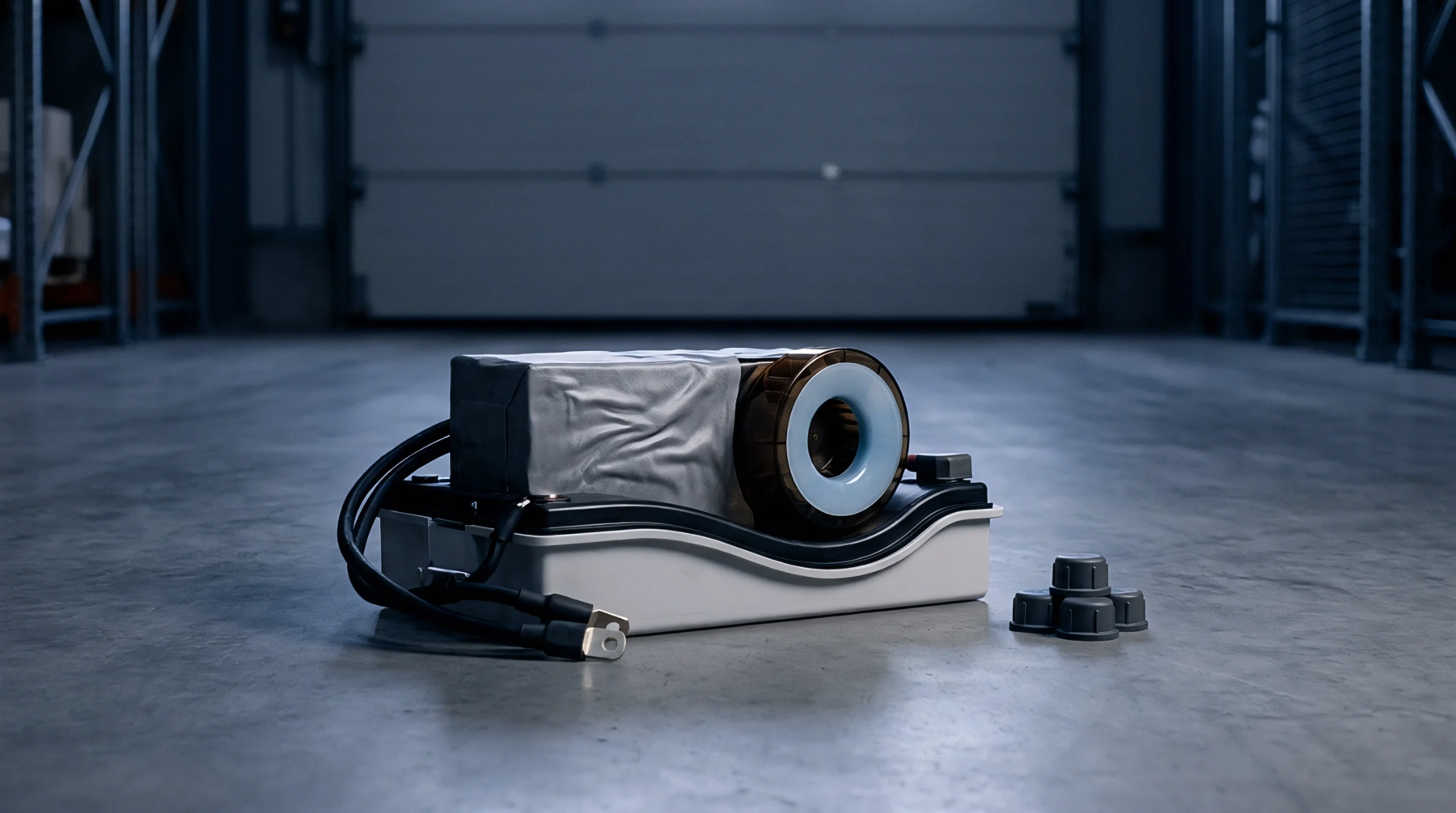
Statutory liabilities for European Union battery storage importers span joint product liability, extended producer responsibility, and customs hold financial risk.

Cross-border cell movement requires an unbroken paper trail linking UN 38.3 lab tests, 30% SOC limits, GHS safety data sheets, and local customs filings.
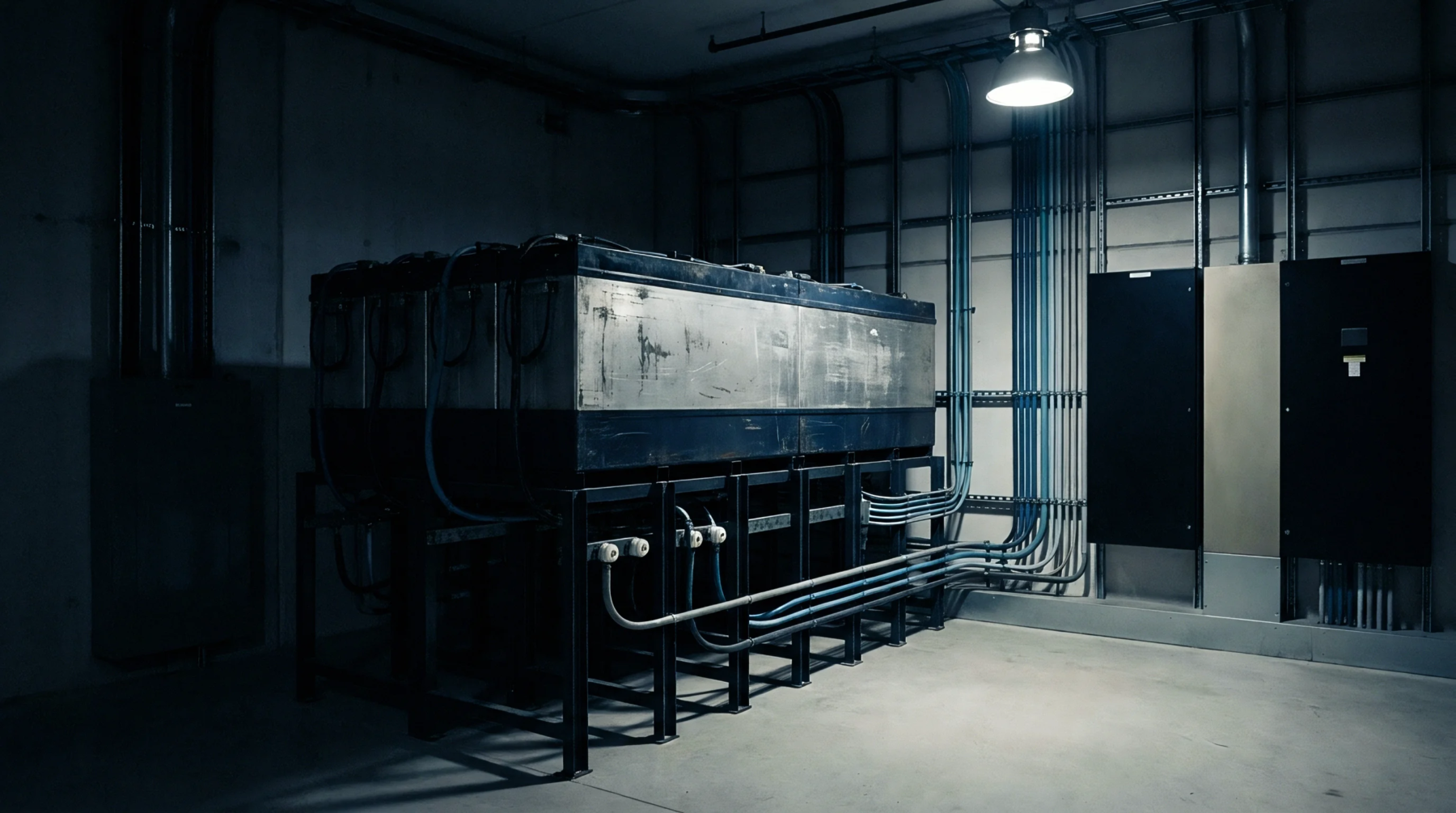
Local intercalation overpotentials in large format cells force anode potentials below 0V vs Li/Li+, causing lithium plating long before terminal voltage limits.

Surface temperature gradients distort differential capacity curves by desynchronizing parallel electrode phase transitions, causing false capacity fade signals.

Intra-cell thermal gradients skew differential capacity signals, masking true health states and invalidating supply contract warranty baselines.

Intra-cell thermal gradients distort electrochemical signals, leading diagnostic tools to mistake thermal smearing for capacity loss; gradient-aware math prevents premature pack retirement.
Expertise is a utility, not a secret. sentiention™ publishes its working knowledge as open reference: intelligence layer covering the materials it sources, the markets it enters, and the reference that serves both.