What a UN 38.3 Test Summary Actually Covers
A valid UN 38.3 test summary documents standardized baseline transport safety survival under ten mandatory fields, without guaranteeing cell life or batch quality.
A valid UN 38.3 test summary documents standardized baseline transport safety survival under ten mandatory fields, without guaranteeing cell life or batch quality.

Surviving a customs safety inspection requires exact alignment between Section 3 composition, Section 9 physical properties, and Section 14 transport codes.

Rigorous dangerous goods document audits verify UN 38.3 test summaries, safety data sheets, and shipper declarations to prevent costly port delays and cargo holds.

Transport certificates for fresh cells fail to cover chemically aged stock, exposing buyers to severe maritime customs rejections and uninsured liability.

Verify UN 38.3 test summaries and state-of-charge limits before signing dangerous goods manifest declarations to prevent port seizures and cargo holds.
Inbound hazardous goods certificate validation requires cross-checking UN 38.3 test summaries, SDS Section 14, and dock voltage readings against shipper declarations.
Transit delays drive cell degradation and document expiry, requiring clear contract clauses to shift re-certification and scrap liabilities to suppliers.

LFP cells resist thermal runaway during transport due to stable olivine crystal structures, whereas NMC chemistries require strict 30 percent state of charge caps to prevent catastrophic thermal breakdown under logistics stress.

Air cargo limits lithium-ion cells to 30% SOC under IATA PI 965, whereas sea freight allows higher SOC to prevent voltage collapse during transit.

Importers placing cells on the EU market must track staggered deadlines under Regulation 2023/1542 to ensure customs clearance and legal compliance.

Liability follows the Incoterm risk transfer point unless dangerous goods misdeclaration or unseaworthiness invalidates carrier and insurance protections.

Shipping defective battery hardware requires Special Provision 376 packaging and surface transport because air carriage is legally blocked for high-risk cells.

Transporting lithium cells safely obligates buyers to match rigorous electrochemical characterization with enforceable contractual transport riders.
Align EU Regulation 2023/1542 importer duties with cross-border supply contracts using escrow technical files, letters of credit, and SOH reference test protocols.
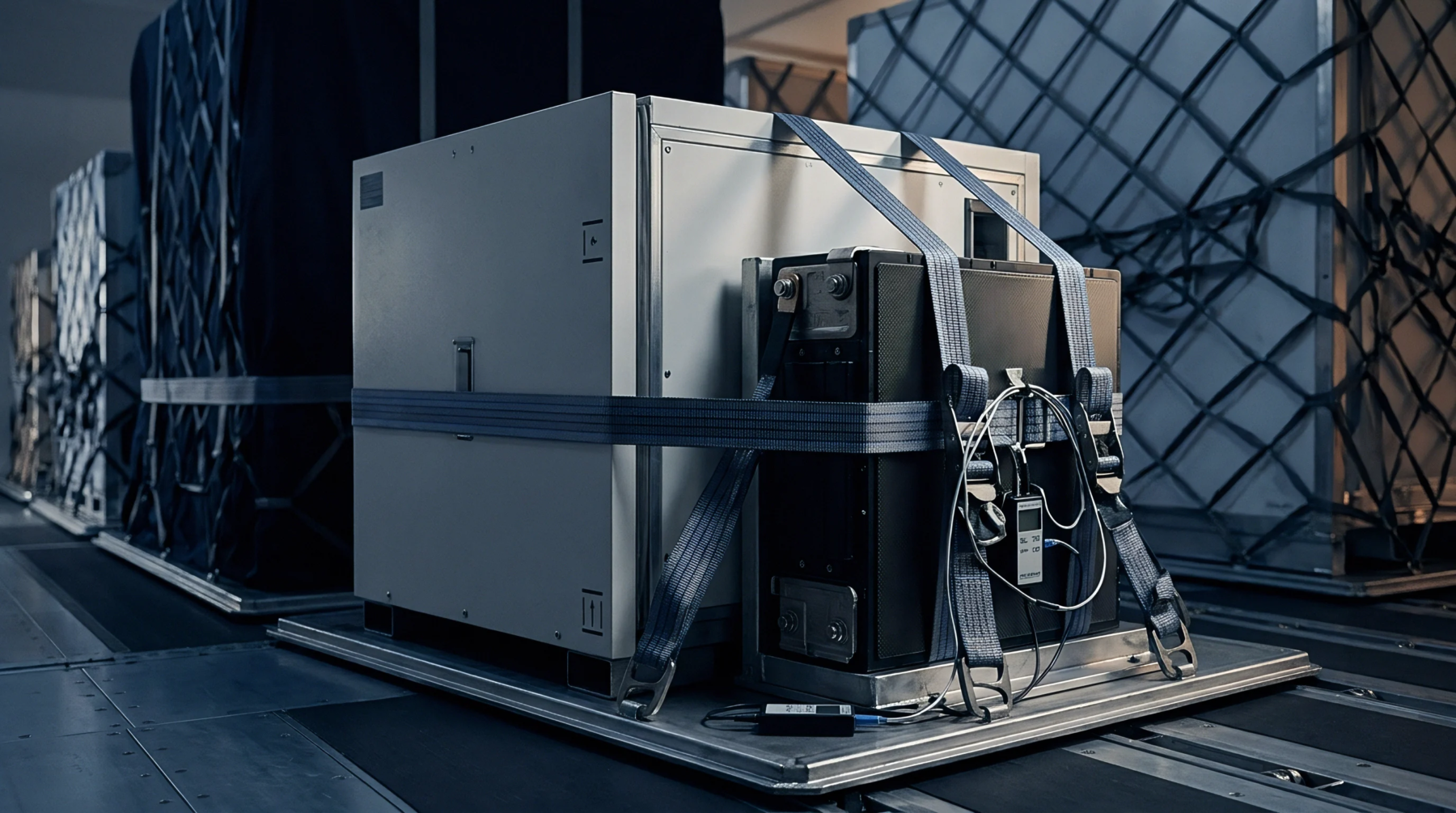
Lithium cell shipments require UN 38.3 bench qualification, 30 percent state-of-charge air caps, Class 9 packaging, and verified 10-field test summaries.

Unenforced warehouse storage rules leave bulk lithium inventory exposed to catastrophic fire risks and uninsured multi-million dollar liability losses.
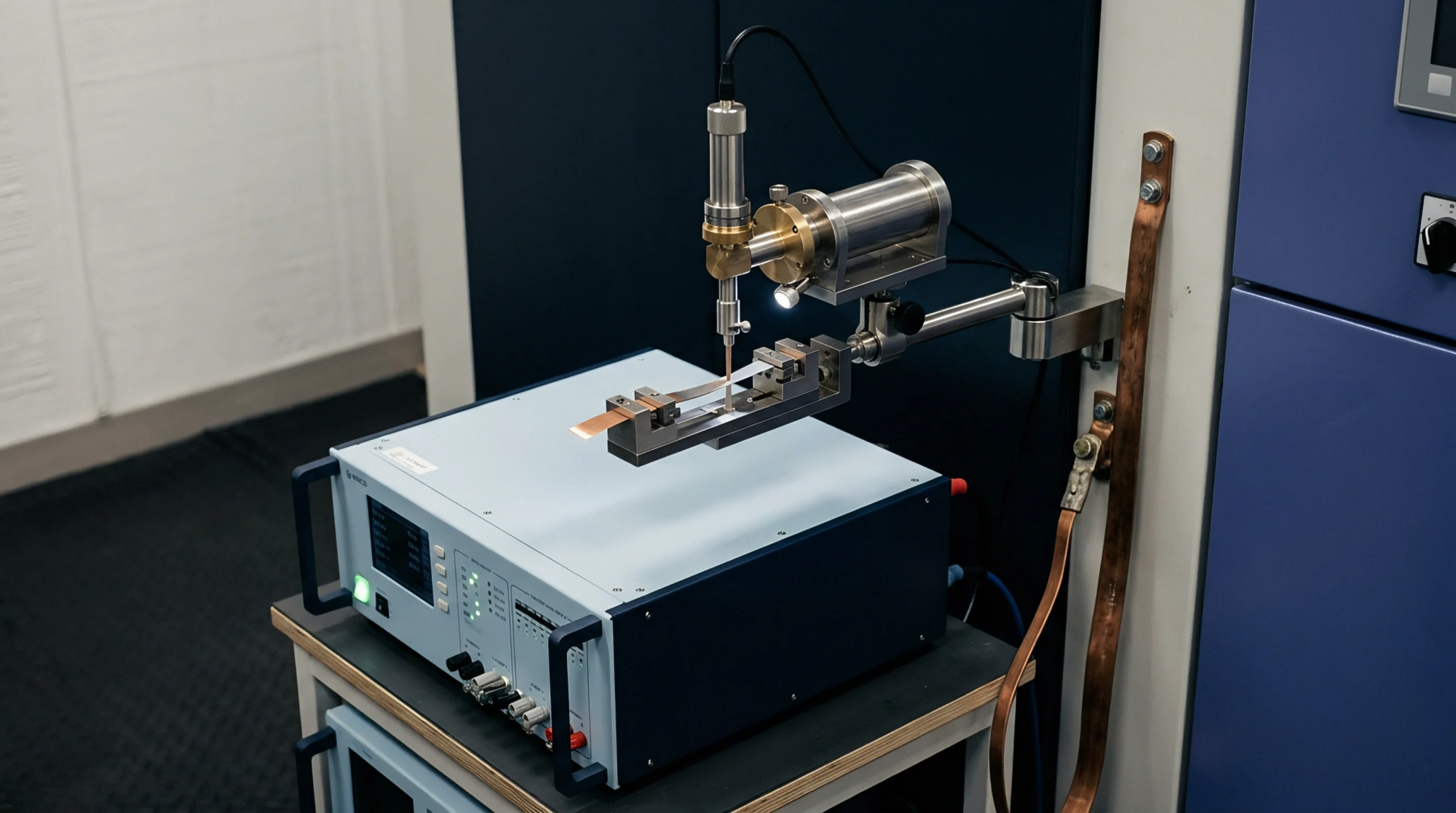
Optimal mechanical constraint extends lithium cell cycle life by suppressing electrode delamination while avoiding separator pore collapse and intergranular cathode fracture
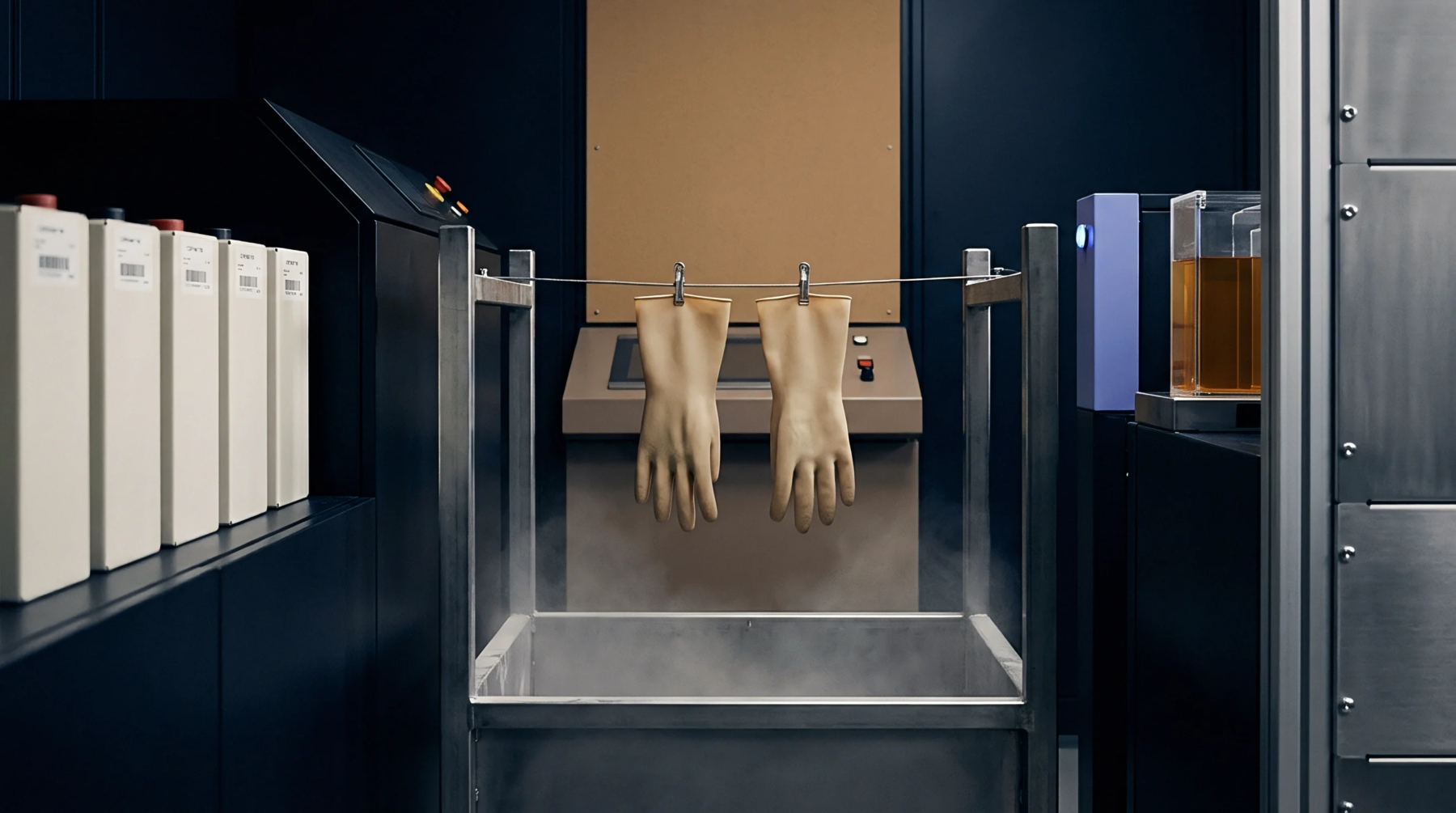
Solvent vapor quantification via thermal pre-conditioning and GC-MS headspace screening prevents dangerous goods freight rejection and isolates cell micro-leaks before pack assembly.

UN 38.3 test summary audits require verifying ten mandatory 38.3.5 elements against ISO 17025 lab scope data to prevent carrier dock rejections.

Unverified third-party battery test scopes leave importers legally liable for transport fines, customs seizures, and uninsurable thermal failures.

Electrolyte additive depletion accelerates cathode rock-salt phase shifts, raising charge transfer impedance and triggering transport safety failures.

Inbound cell inspection requires dual-path verification of UN 38.3 documentation and AQL sampling of open-circuit voltage, impedance, and K-value drop.
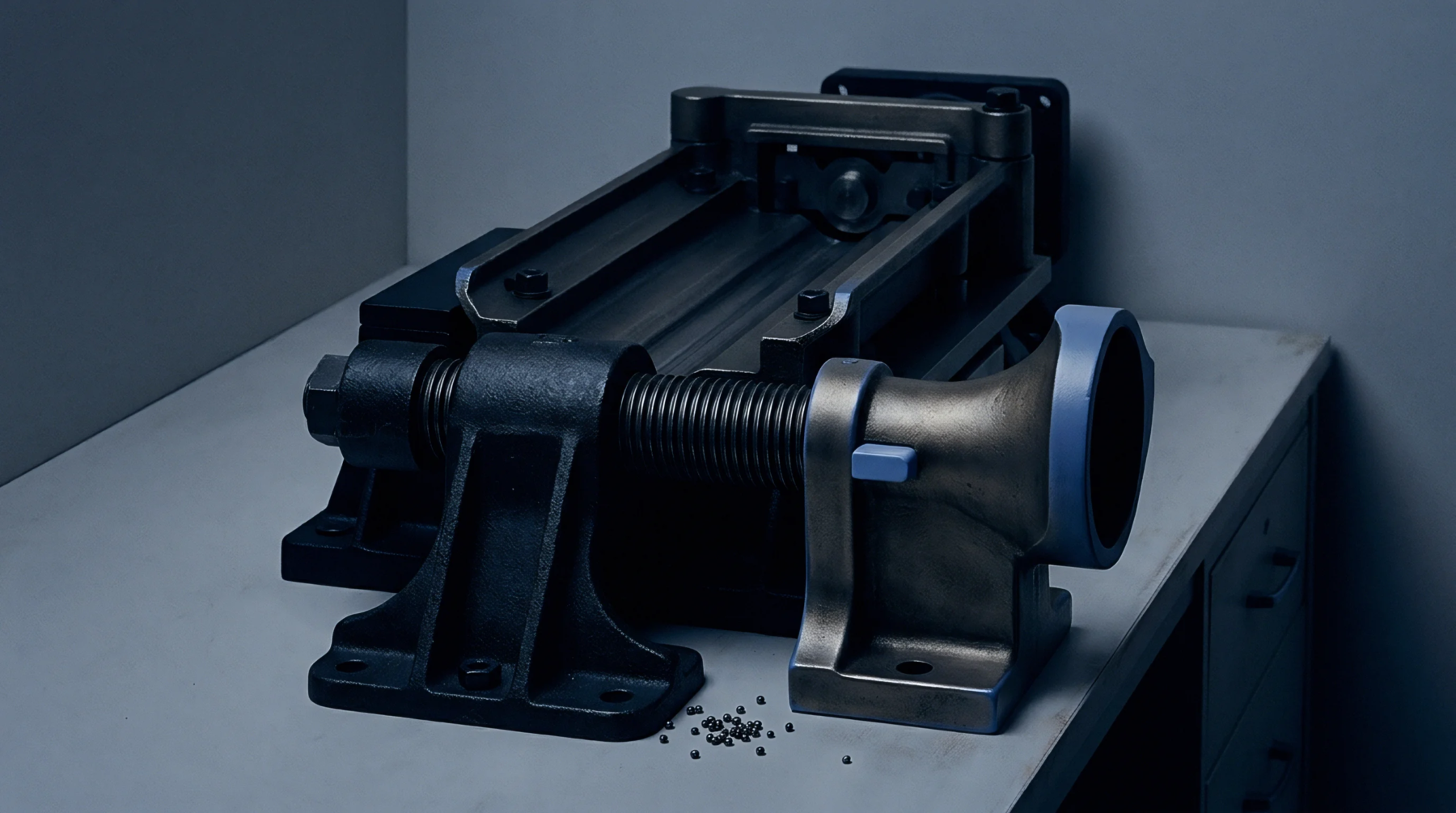
Prismatic LFP degradation stems primarily from loss of active lithium to anode SEI growth, accelerated by high state-of-charge storage and stack pressure.

Standard fire codes cap bulk lithium battery storage at 600 kWh per control area unless protected by dedicated ESFR sprinklers and 2-hour fire barriers

NFPA 855 compliance for high density battery bays hinges on UL 9540A explosion testing to reduce 3 foot clearances and size deluge water systems.

Engineering rigid module compression plates with calibrated elastomeric pads controls prismatic cell swelling, prevents separator crushing, and preserves warranty compliance.

Electrolyte solvent headspace gas leakage testing uses GC-MS and SPME to quantify linear carbonate vapor loss, preventing cell degradation and transport rejections.

Passivation kinetics dictate graphite anode capacity retention, requiring precise SoC transport caps and differential capacity screening to secure cell warranties.
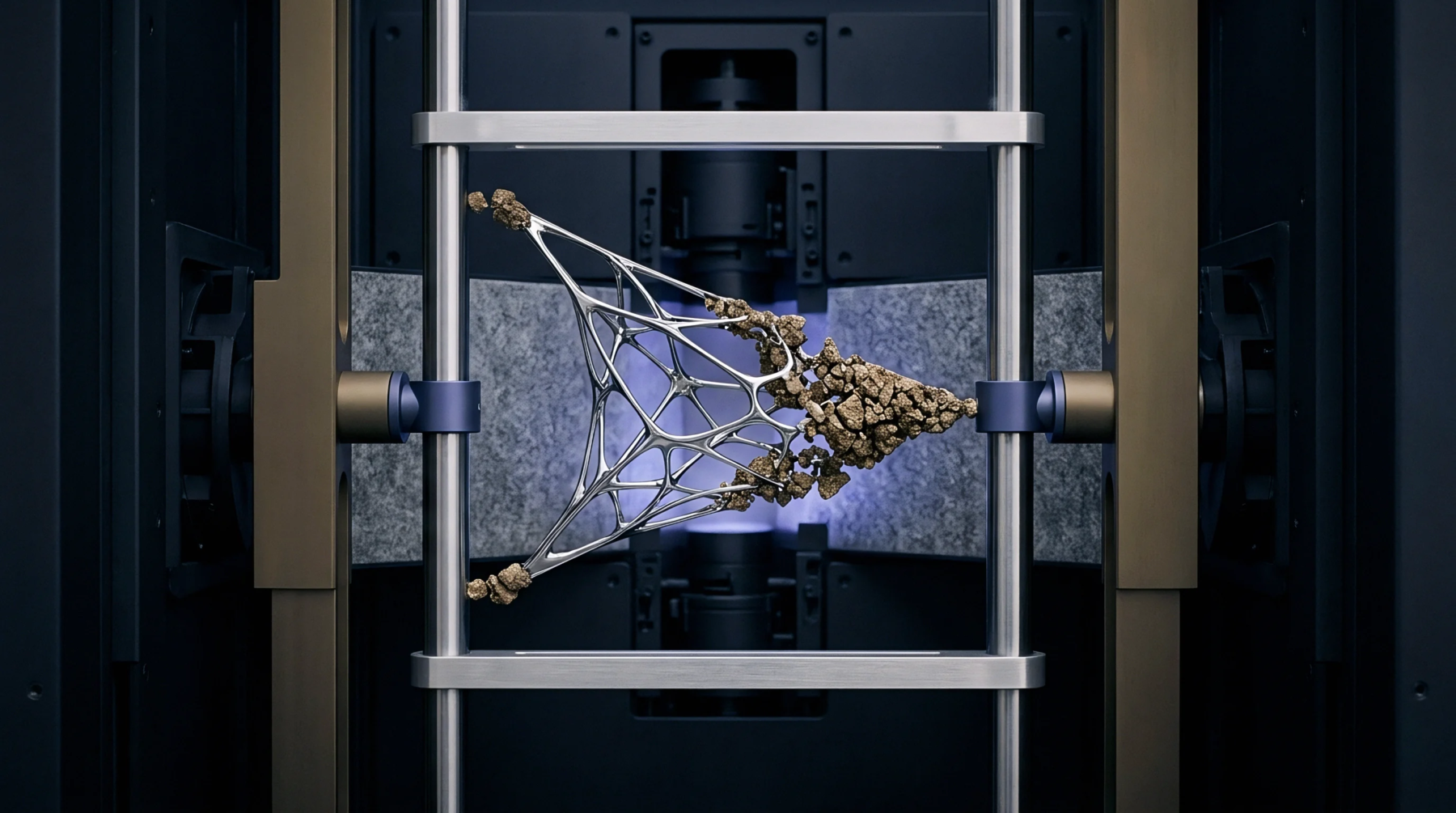
Differential capacity analysis quantifies lithium inventory loss and active material isolation in prismatic LFP cells through C/50 peak voltage shift tracking.

Spatial thermal gradients smearing dQ/dV curves break zero-dimensional degradation models, requiring localized thermal correction to isolate true active lithium loss.
Expertise is a utility, not a secret. sentiention™ publishes its working knowledge as open reference: intelligence layer covering the materials it sources, the markets it enters, and the reference that serves both.