
Four Wire Kelvin Sensing Principles in Low Impedance Battery Testing
Four-wire Kelvin sensing isolates drive current from potential sensing, eliminating lead and contact resistance errors in sub-milliohm battery impedance tests.
Four-wire Kelvin sensing isolates drive current from potential sensing, eliminating lead and contact resistance errors in sub-milliohm battery impedance tests.
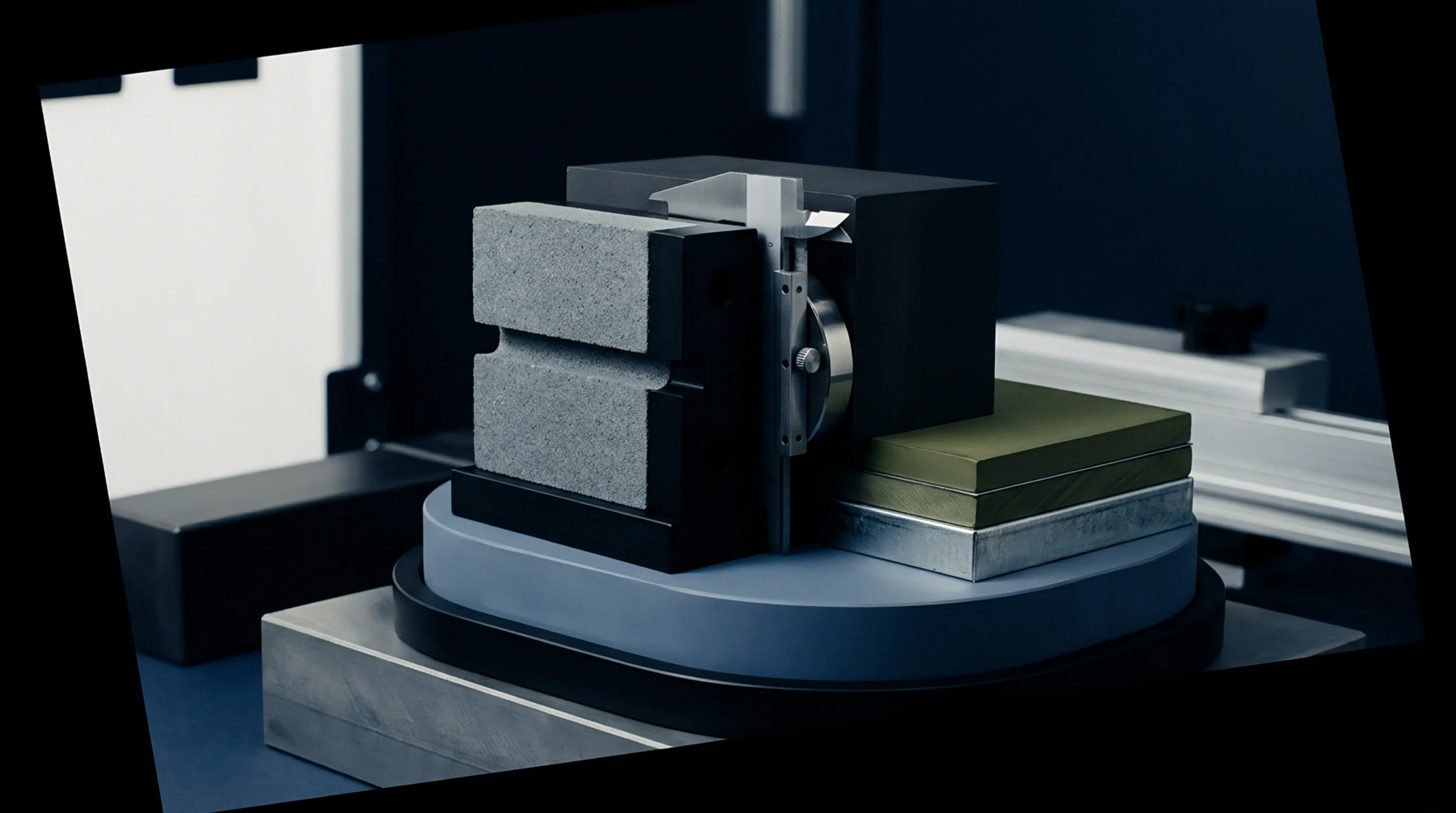
Real-time fixture thermal drift compensation eliminates cell sorting errors by isolating thermomechanical trace expansion from true battery impedance shifts.

Laboratory qualification of LiFePO4 cells demands precise mechanical clamping, strict IEC cycling regimes, and Arrhenius acceleration to verify true capacity retention.
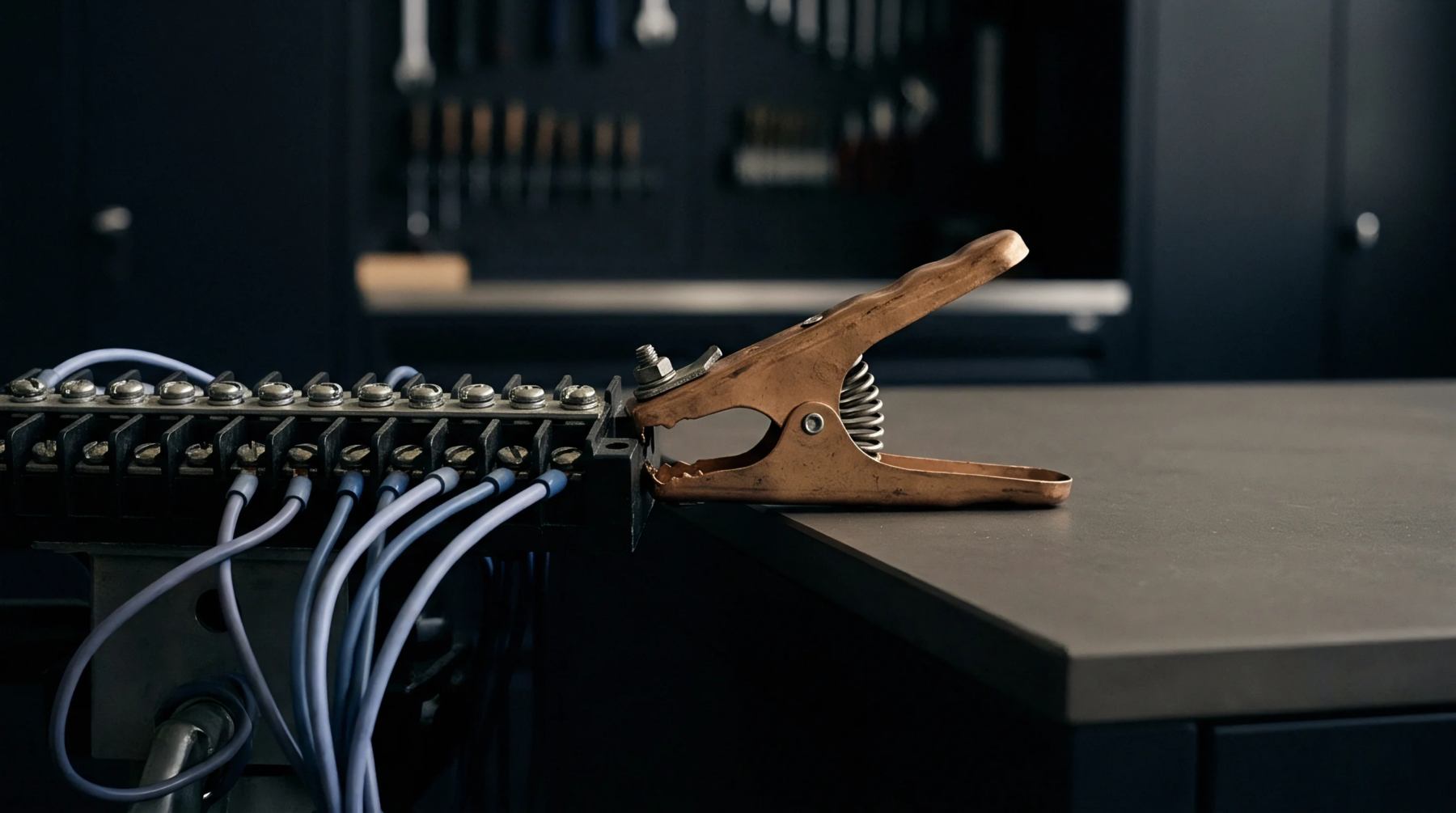
Active isothermal terminal calibration eliminates contact heat injection during high-current cell testing, preventing false capacity and cycle life data.

Early impedance growth exposes internal battery interphase degradation long before standard capacity tests reveal physical performance loss.
Expertise is a utility, not a secret. sentiention™ publishes its working knowledge as open reference: intelligence layer covering the materials it sources, the markets it enters, and the reference that serves both.