
Identifying Microsecond Timing Drift in Multi Channel Battery Test Systems
Microsecond timing drift across multi-channel cyclers corrupts DCIR and dQ/dV metrics, requiring hardware-latched PTP clocks to ensure phase alignment.
Microsecond timing drift across multi-channel cyclers corrupts DCIR and dQ/dV metrics, requiring hardware-latched PTP clocks to ensure phase alignment.

Cross referencing battery test summaries with freight manifests verifies watt-hour limits, state of charge compliance, and lot trace numbers before cargo tender.

Polymer permeation scales with temperature while Knudsen flow tracks gas molecular weight, enabling helium argon ratios to isolate structural leak channels.

Calibrated GC-MS selected ion monitoring measures electrolyte solvent micro-leaks down to 10^-9 mbar L/s, isolating true seal defects from surface outgassing.

Cross-border market surveillance enforcement targets domestic importers directly, requiring pre-funded bank guarantees and authenticated safety dossiers for recourse.
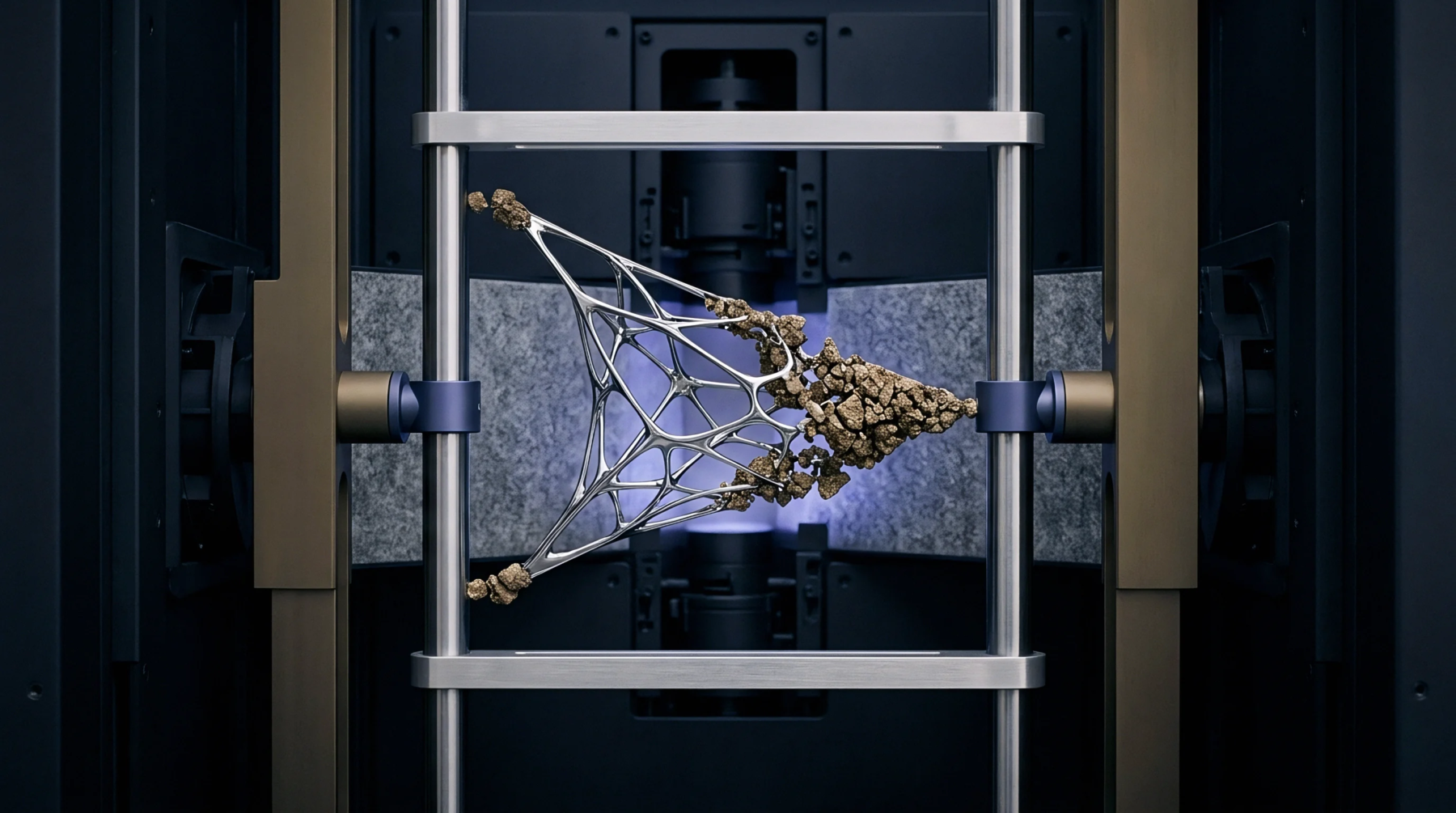
Inverse smearing matrix corrections stabilize multi-zone state estimation by regularizing ill-conditioned boundary matrices to reconstruct local core parameters.

Differential capacity analysis extracts thermodynamic phase boundaries to deconvolve lithium inventory loss from active material degradation non destructively.

UN 38.3 limits lithium cell solvent leakage during transport through strict mass loss thresholds and zero visual electrolyte loss criteria across T.1-T.8 tests.

Foam compression set collapses baseline clamping force, shifting planar pressure to rigid edges, elevating thermal impedance, and risking tab fatigue.

Engineering high density battery enclosures requires sizing active exhaust rates to peak off-gas evolution and NFPA 68 vents to hydrogen-rich deflagration indices.

Unit-level UL 9540A test data unlocks reduced ESS clearances when peak heat release stays below 250 kW and target panel radiant flux remains under 1.5 kW/m².

Verify inbound cell compliance using ISO 2859-1 sampling, microvolt OCV screening, K-value decay tracking, and UN 38.3 audit chains before pack assembly.

Electrolyte additive selection requires matching sacrificial reduction potentials and scavenger kinetics to electrode chemistries to control interphase growth.

Importers bear strict legal liability under dangerous goods regulations for invalid UN 38.3 certificates issued by unaccredited subcontracted laboratories.

Automated off-gas screening detects lithium cell micro-venting by measuring alkyl carbonate vapors under altitude and thermal transport stress before thermal runaway occurs.

Importers of record become statutory producers under EU 2023/1542 upon customs clearance, incurring strict EPR registration, passport, and takeback liabilities.

Cross-border battery contracts must pair UN 38.3 compliance warranties with uncapped indemnities and standby letters of credit to offset demurrage and seizure risks.

Inline helium mass spectrometry detects sub-micron battery envelope leaks down to 10-8 mbar l/s, preventing moisture-induced HF corrosion and solvent loss.

Verify all ten UN 38.3.5 data elements against physical product markings, laboratory accreditations, and exact energy ratings before releasing battery cargo.

Heat seal micro-voids expand under altitude depressurization, requiring helium leak rates below 10^-6 mbar L/s to prevent electrolyte dry-out and UN 38.3 failure.

Auditing freight forwarder dangerous goods acceptance requires validating UN 38.3.5 test summaries, 30 percent state of charge limits, and packaging integrity.
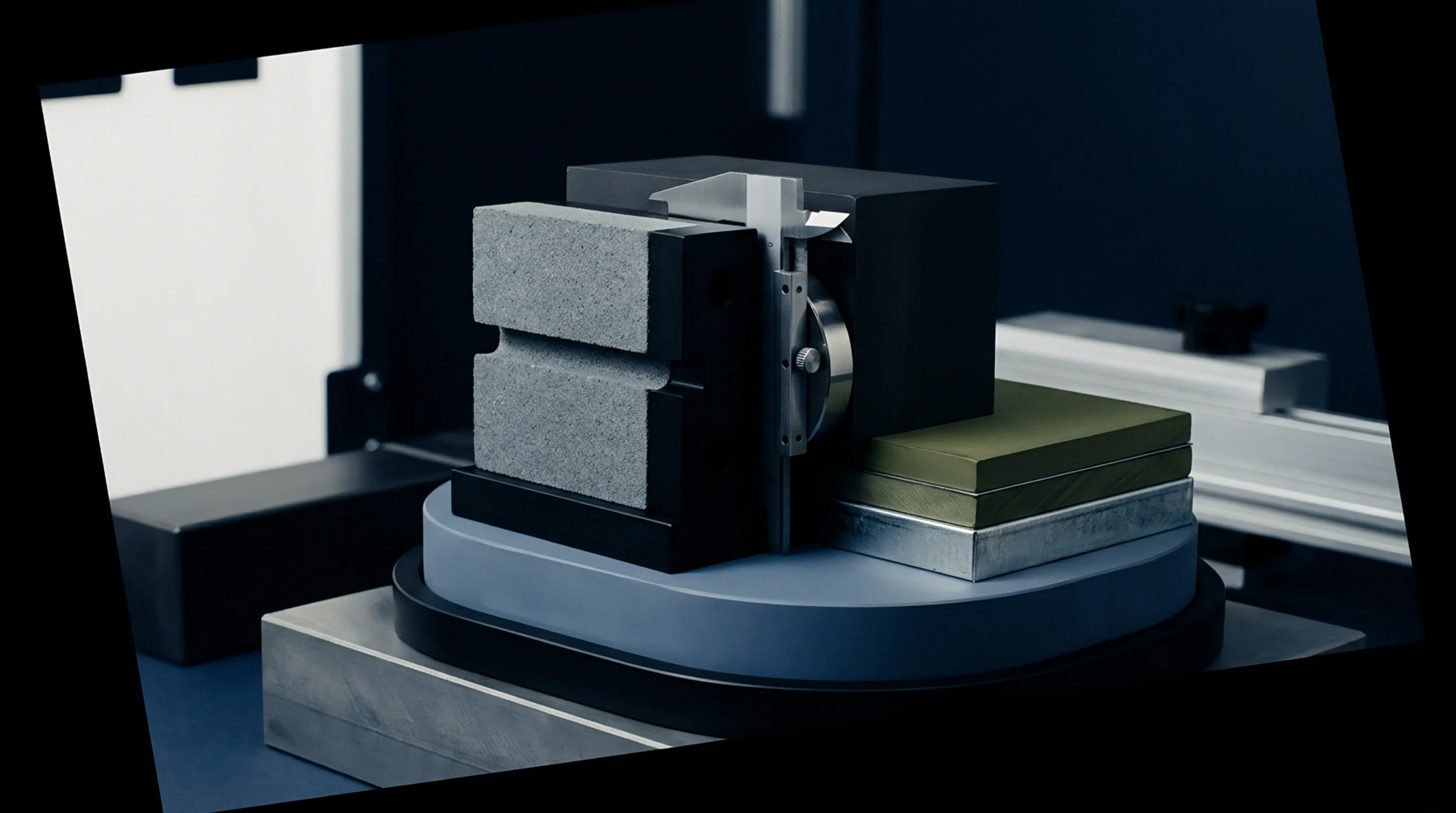
EU Regulation 2023/1542 forces BESS importers to hold accredited third-party test dossiers and active Digital Battery Passports prior to single-market port entry.
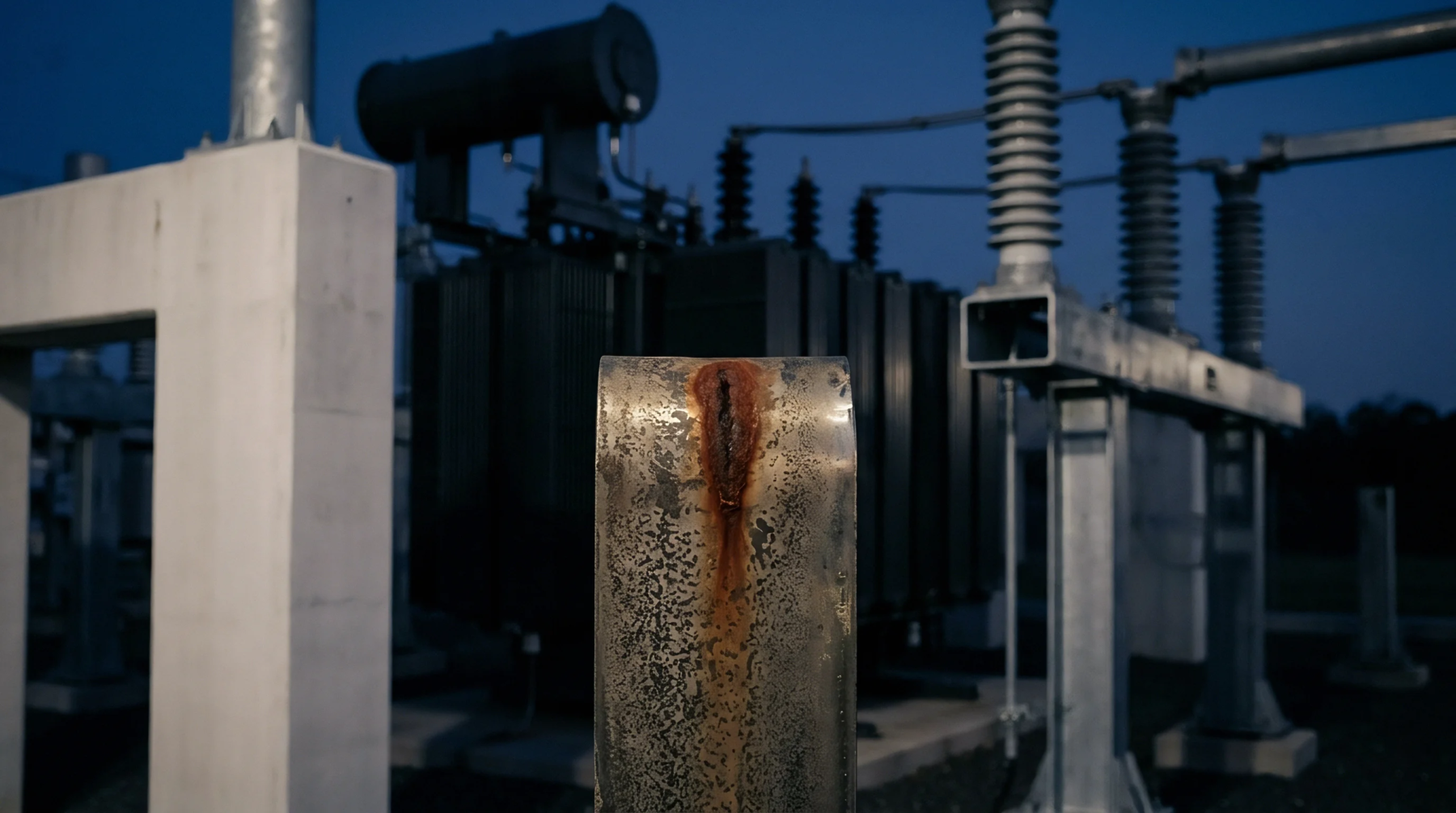
Thermally corrected differential capacity spectra isolate lithium loss from active material decay by subtracting entropic and kinetic overpotential shifts.
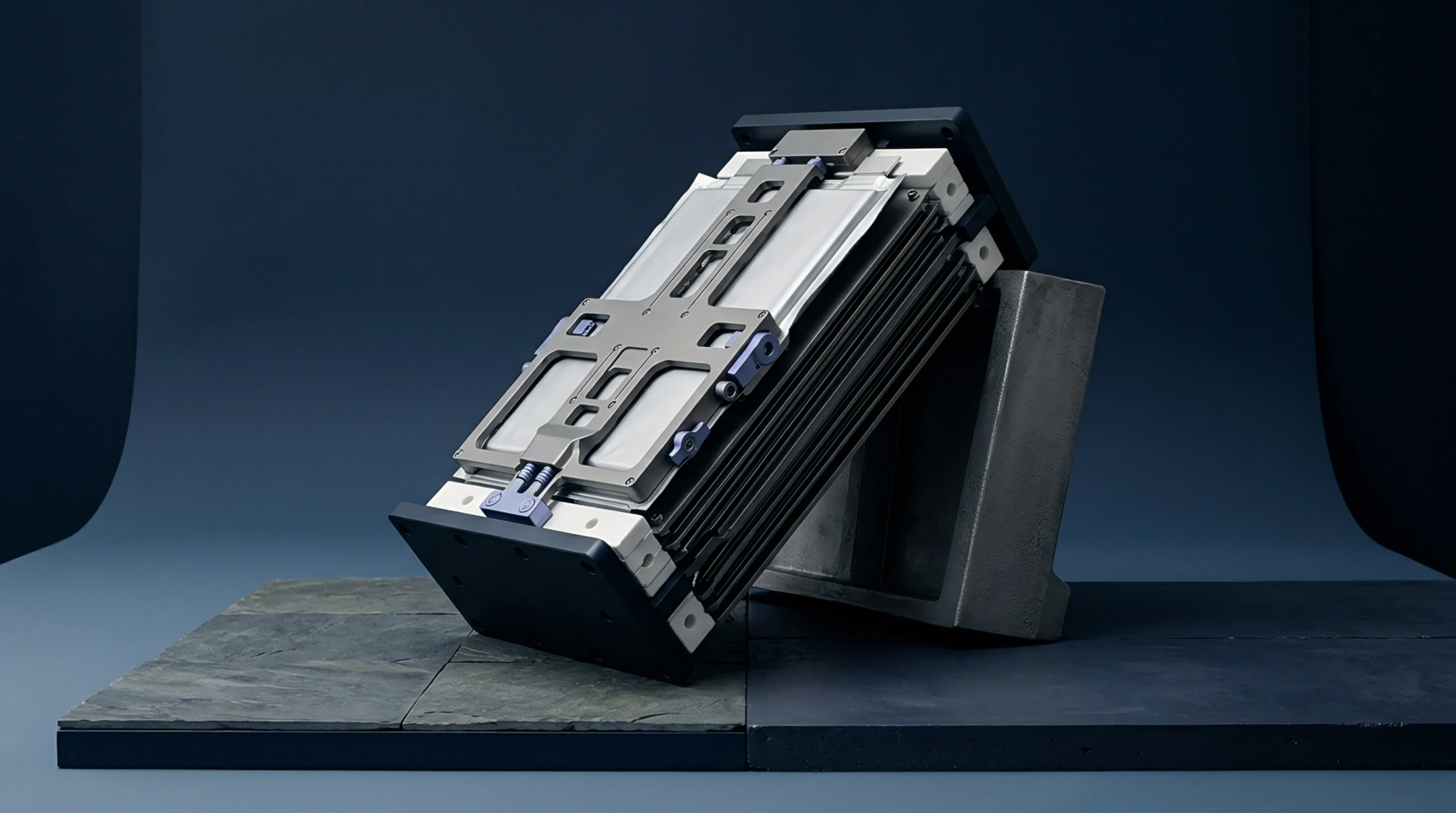
Optimal static compression between 200 and 400 kPa maximizes prismatic cell cycle life by preventing delamination while avoiding separator pore collapse.
High-voltage operation accelerates cathode surface reconstruction and transition metal dissolution, demanding operando impedance testing and warranty risk controls.

High voltage cathode stabilization requires conformal surface coatings and fluorinated additives to prevent phase conversion and ensure transport regulatory compliance.

Validating ISO 17025 ILAC accreditation scopes for UN 38.3 test summaries before shipment prevents carrier refusals and port impoundments.
LFP capacity fade originates from lithium inventory loss at the anode interface, requiring strict dockside screening and precise SOC calculation for freight compliance.

Hardware level microsecond timestamp synchronization eliminates false impedance spikes and secures compliant battery cell qualification data integrity.

Importing lithium batteries demands verifying UN 38.3.5 test summaries, ISO 17025 lab scope, state of charge limits, and importer dossier records.
Expertise is a utility, not a secret. sentiention™ publishes its working knowledge as open reference: intelligence layer covering the materials it sources, the markets it enters, and the reference that serves both.